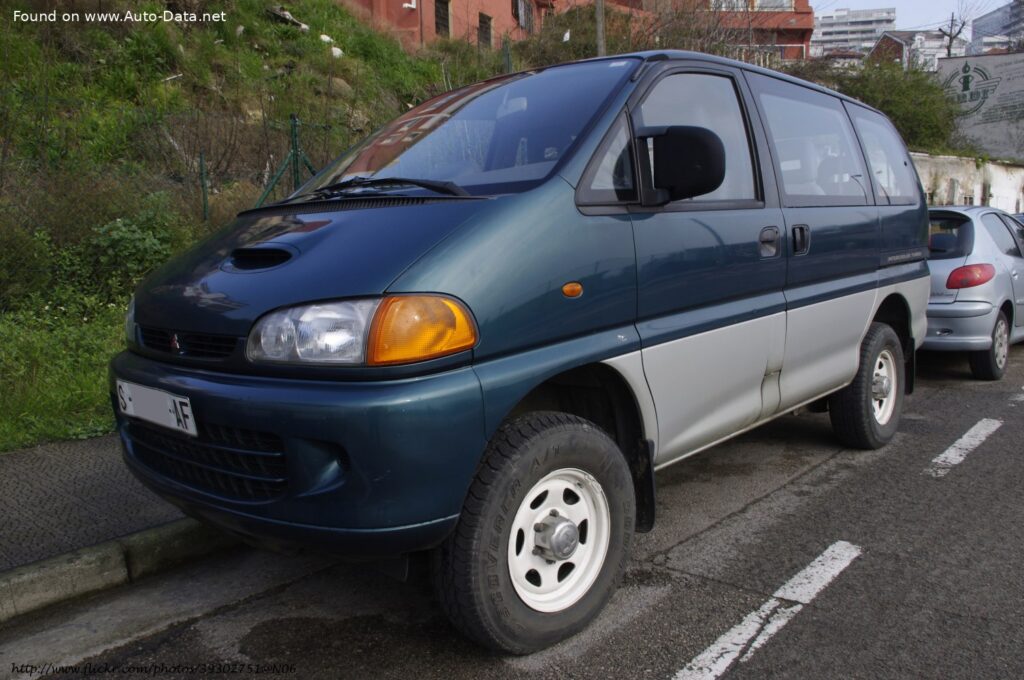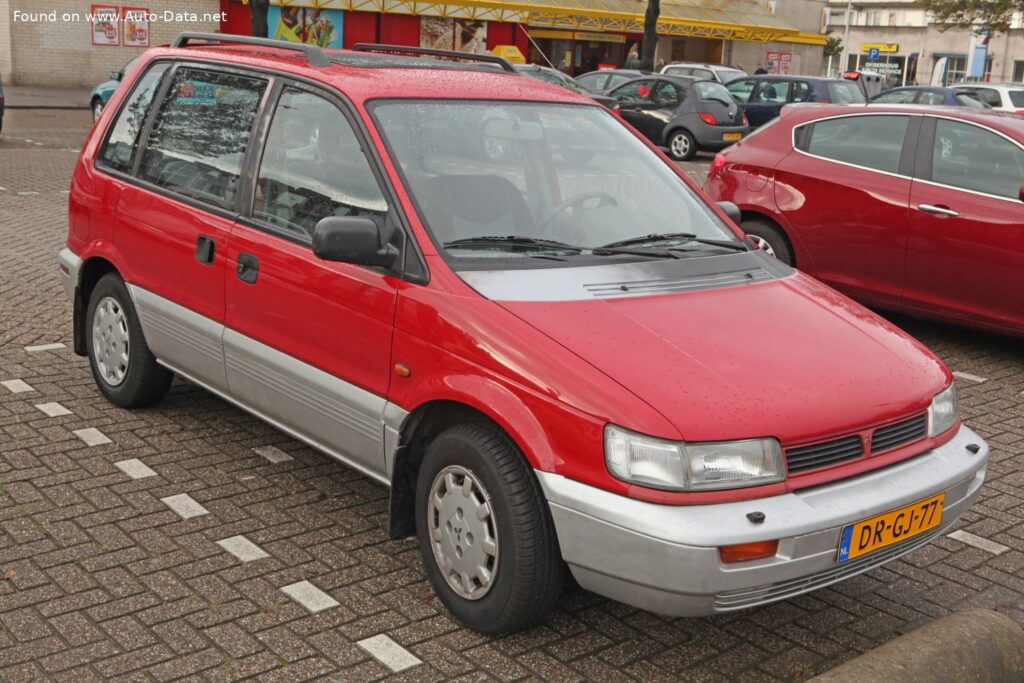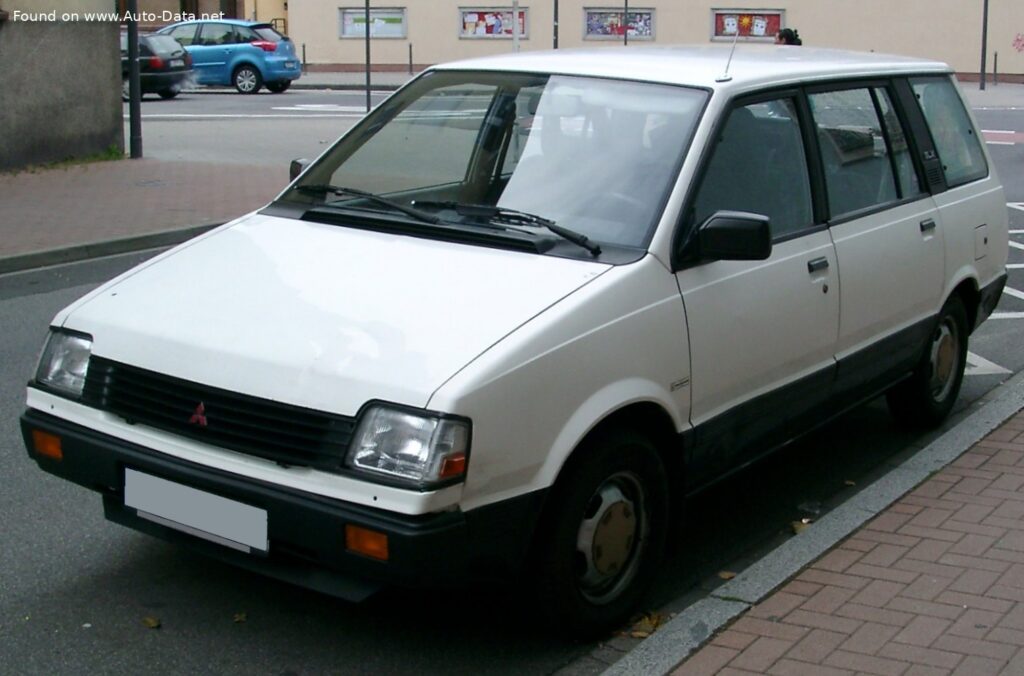
The Mitsubishi Space Wagon, known as the Mitsubishi Chariot in Japan, represents Mitsubishi’s entry into the increasingly popular compact minivan segment of the mid-1980s. Introduced in 1983 and continuing through 1991 for the first generation (D08W), the Space Wagon aimed to provide practical, family-oriented transportation with a focus on interior space and versatility. While not officially sold in the United States, the Space Wagon was a significant vehicle in European and Asian markets, particularly in countries where smaller, more fuel-efficient vehicles were favored. The 2.0-liter, four-wheel-drive variant, producing 102 horsepower, was a relatively well-equipped model offering enhanced traction and capability for varied driving conditions. This generation laid the groundwork for subsequent Space Wagon/Chariot models, establishing a reputation for practicality and innovative features within its class.
Mitsubishi Space Wagon I: A Detailed Overview
The Space Wagon I, produced between 1985 and 1991, was a pivotal model for Mitsubishi, showcasing the company’s engineering capabilities in the burgeoning minivan market. It distinguished itself from larger, body-on-frame vans by utilizing a monocoque construction, offering improved rigidity and a lighter overall weight. This design approach contributed to better handling and fuel efficiency compared to traditional van designs. The Space Wagon’s appeal lay in its ability to comfortably accommodate up to seven passengers, a feature that was becoming increasingly desirable for families. The availability of a four-wheel-drive system, as found in the 2.0 4×4 (D08W) model, further broadened its appeal, particularly in regions with inclement weather or challenging road conditions. The vehicle’s design prioritized maximizing interior space while maintaining a relatively compact exterior footprint, making it easier to maneuver in urban environments.
Engine & Performance
The heart of the Mitsubishi Space Wagon I 2.0 4×4 (D08W) is a naturally aspirated 2.0-liter inline-four cylinder gasoline engine. This engine produced 102 horsepower, a respectable figure for its time and class. While not designed for outright speed, the engine provided adequate power for everyday driving and hauling a full load of passengers. The engine’s design focused on reliability and fuel efficiency, characteristics valued by consumers in the target markets. The four-wheel-drive system employed a part-time setup, allowing the driver to switch between two-wheel drive and four-wheel drive as needed. This system enhanced traction on slippery surfaces, improving stability and control. The transmission options typically included a four-speed automatic or a five-speed manual, catering to different driver preferences. Performance figures, while not extensively documented, suggest a 0-60 mph time in the range of 12-14 seconds, and a top speed around 95 mph. The emphasis was on providing a comfortable and practical driving experience rather than sporty performance.
Design & Features
The Mitsubishi Space Wagon I featured a boxy, utilitarian design typical of minivans of the era. The design prioritized maximizing interior space and visibility. Large windows and a relatively upright seating position provided occupants with a good view of the surroundings. The exterior styling was functional rather than flamboyant, reflecting the vehicle’s intended purpose as a practical family hauler. The Space Wagon’s interior was designed for versatility. The rear seats could be folded or removed to create additional cargo space, adapting the vehicle to various needs. Features such as reclining seats and adjustable ventilation further enhanced passenger comfort. Safety features, while limited by the standards of the 1980s, typically included seatbelts for all occupants and a collapsible steering column. Higher trim levels offered amenities such as power windows, central locking, and an upgraded audio system. The 4×4 system added to the vehicle’s appeal, providing increased confidence in challenging driving conditions. The Space Wagon’s design represented a significant step forward in minivan design, offering a compelling combination of practicality, versatility, and comfort.
The Space Wagon’s impact was most keenly felt in Europe and Asia. In Japan, it competed with models like the Toyota Estima (Previa) and Honda Odyssey, offering a more affordable and compact alternative. In Europe, it found a niche among families seeking a versatile and fuel-efficient vehicle. The Space Wagon’s relatively small size made it well-suited to the narrower streets and tighter parking spaces common in many European cities. The availability of a diesel engine in some markets further enhanced its appeal to cost-conscious buyers. The Space Wagon’s success paved the way for subsequent generations of the vehicle, each building upon the strengths of the original.
Technical Specifications
| Brand | Mitsubishi |
| Model | Space Wagon |
| Generation | Space Wagon I |
| Type (Engine) | 2.0 4×4 (D08W) (102 Hp) |
| Start of production | 1985 |
| End of production | 1991 |
| Powertrain Architecture | Internal Combustion engine |
| Body type | Minivan |
| Fuel Type | Petrol (Gasoline) |
| Engine Power | 102 Hp |
| Engine Aspiration | Naturally aspirated engine |