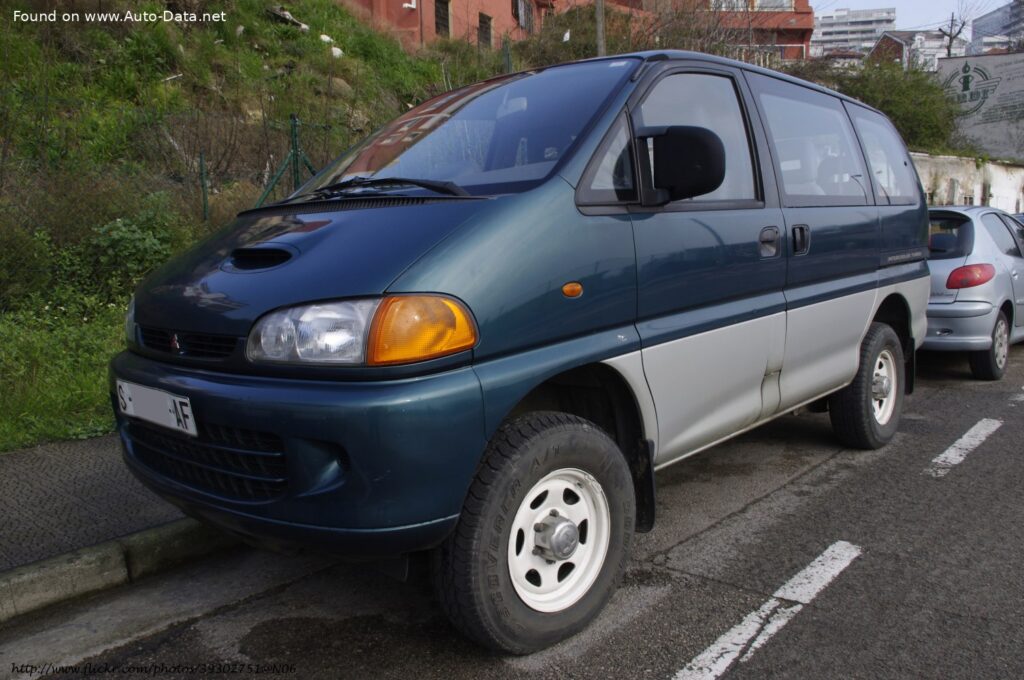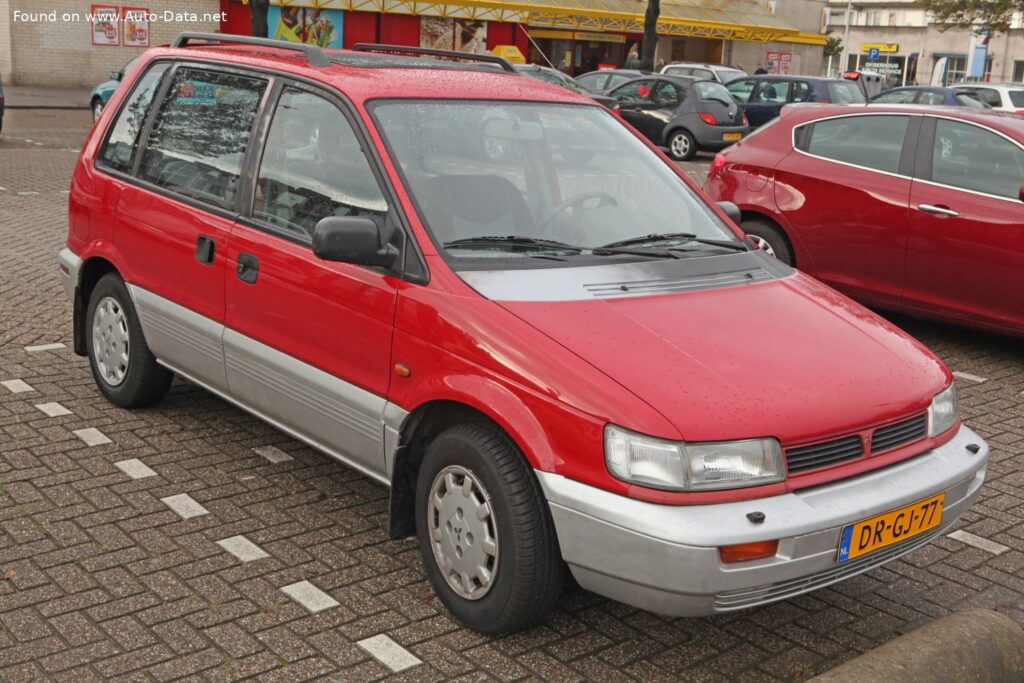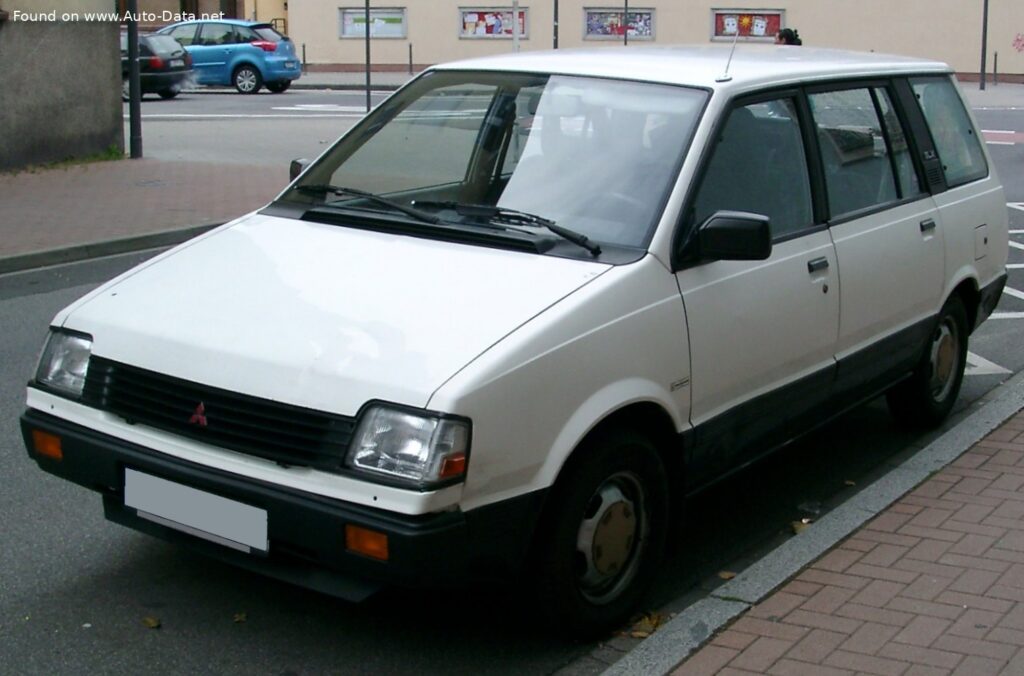
The Mitsubishi Space Wagon, known as the Mitsubishi Chariot in its native Japan, represents Mitsubishi’s entry into the increasingly popular compact minivan segment of the mid-1980s. Introduced in 1983 and continuing through several generations, the Space Wagon I (D04W), produced from 1986 to 1988, was a key model for Mitsubishi, particularly in markets outside of North America. While not officially sold in the United States, the Space Wagon offered a practical and relatively affordable family transport solution, competing with vehicles like the Toyota Van and Nissan Serena in Asian and European markets. The 2.0 GLX variant, equipped with an 84 horsepower engine, was a common trim level, offering a balance of features and economy for the time. This generation laid the groundwork for future Space Wagon models, establishing the vehicle’s reputation for versatility and space efficiency.
Mitsubishi Space Wagon I 2.0 GLX (D04W) – A Detailed Overview
Origins and Market Positioning
The Space Wagon was conceived as a response to the growing demand for multi-purpose vehicles (MPVs) in Japan. Japanese families were increasingly seeking vehicles that could accommodate both daily commuting and weekend leisure activities. The Space Wagon, with its boxy yet functional design, aimed to fulfill this need. Unlike larger, more expensive vans, the Space Wagon was positioned as a compact and economical alternative. Its relatively small footprint made it easier to maneuver in crowded urban environments, a significant advantage in Japanese cities. Export markets, particularly in Europe and parts of Asia, saw the Space Wagon as a practical and affordable option for families needing more space than a traditional hatchback could offer.
Engine & Performance
The 2.0 GLX variant of the Space Wagon I is powered by a naturally aspirated 2.0-liter inline-four cylinder gasoline engine. This engine produced 84 horsepower, which, while not exceptionally powerful by modern standards, was adequate for the vehicle’s intended purpose. The engine’s focus was on reliability and fuel efficiency rather than outright performance. Power was delivered to the rear wheels via a four-speed automatic transmission, a common configuration for vehicles of this era. The drivetrain was designed for smooth and predictable operation, prioritizing comfort over sporty handling. Acceleration was modest, but the engine provided sufficient torque for everyday driving conditions and carrying a full load of passengers. The engine’s simplicity contributed to its durability and ease of maintenance, important factors for buyers in the target markets. The 2.0-liter engine represented a step up in power compared to the smaller engine options available in the Space Wagon range, making the GLX trim a popular choice for those needing a bit more capability.
Design & Features
The Mitsubishi Space Wagon I featured a distinctly boxy design, maximizing interior space within a compact exterior footprint. This design philosophy was typical of MPVs from the 1980s, prioritizing practicality over aerodynamic styling. The vehicle’s tall roofline provided ample headroom for passengers in all three rows of seating. The Space Wagon I was offered in a five or seven-seat configuration, depending on the market and trim level. The 2.0 GLX trim typically included features such as cloth upholstery, power steering, and an AM/FM radio. Air conditioning was often an optional extra. The rear doors were typically sliding doors, facilitating easy access in tight parking spaces. Safety features were relatively basic by today’s standards, consisting primarily of seatbelts and a collapsible steering column. The interior design was functional and durable, with a focus on ease of cleaning and maintenance. The dashboard layout was straightforward, with clearly labeled controls. The Space Wagon’s design emphasized versatility, with the rear seats capable of folding flat or being removed entirely to create a larger cargo area. The overall aesthetic was understated and practical, reflecting the vehicle’s intended role as a family workhorse.
Impact and Legacy
The Space Wagon I, while not a global sales phenomenon, played a significant role in establishing Mitsubishi as a competitor in the burgeoning MPV market. It demonstrated Mitsubishi’s ability to design and manufacture practical and affordable vehicles that met the needs of families. The Space Wagon’s success in Japan and export markets paved the way for subsequent generations of the vehicle, each building upon the strengths of the original. The Space Wagon’s influence can be seen in the design and features of later Mitsubishi models, as well as in the broader evolution of the MPV segment. The vehicle’s emphasis on space efficiency and versatility remains a key characteristic of modern MPVs.
Technical Specifications
| Brand | Mitsubishi |
| Model | Space Wagon |
| Generation | Space Wagon I |
| Type | 2.0 GLX (D04W) (84 Hp) |
| Start of production | 1986 |
| End of production | 1988 |
| Powertrain Architecture | Internal Combustion engine |
| Body type | Minivan |
| Fuel Type | Petrol (Gasoline) |
| Power | 84 Hp |
| Engine aspiration | Naturally aspirated engine |
The Mitsubishi Space Wagon I 2.0 GLX (D04W) represents a significant chapter in Mitsubishi’s history, showcasing their commitment to providing practical and affordable transportation solutions for families. While not widely known in the United States, its impact was felt in key markets around the world, establishing the Space Wagon as a reliable and versatile MPV.