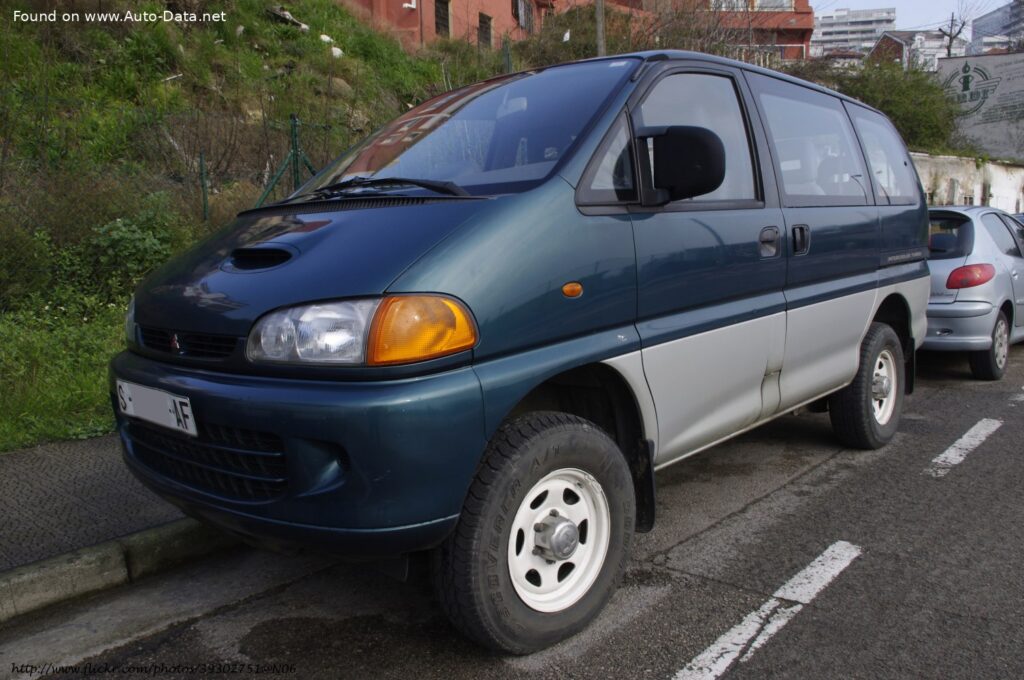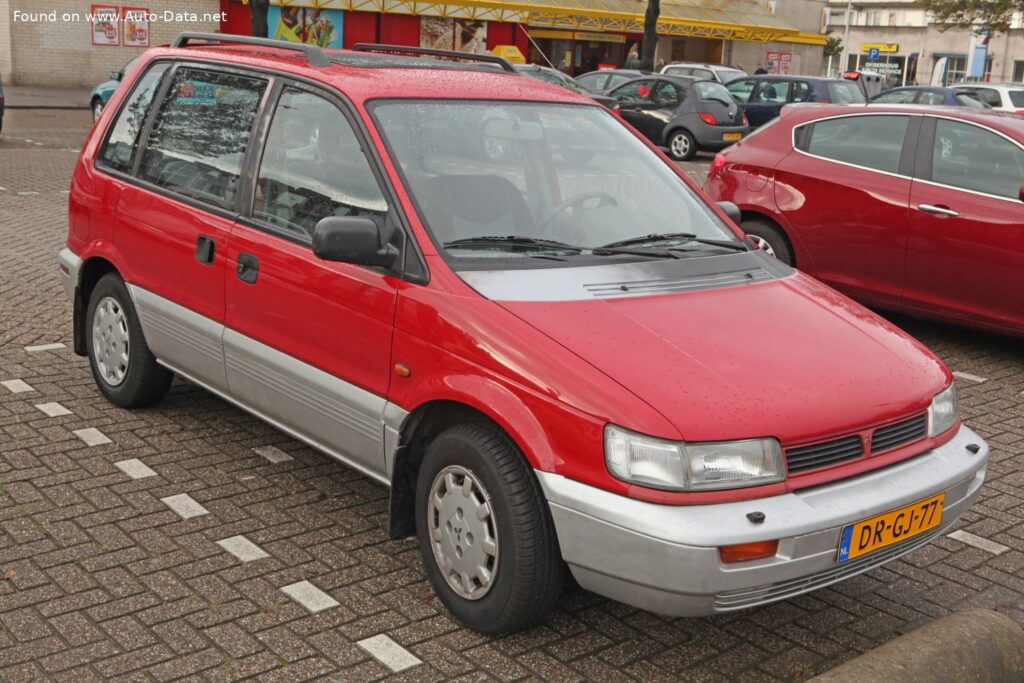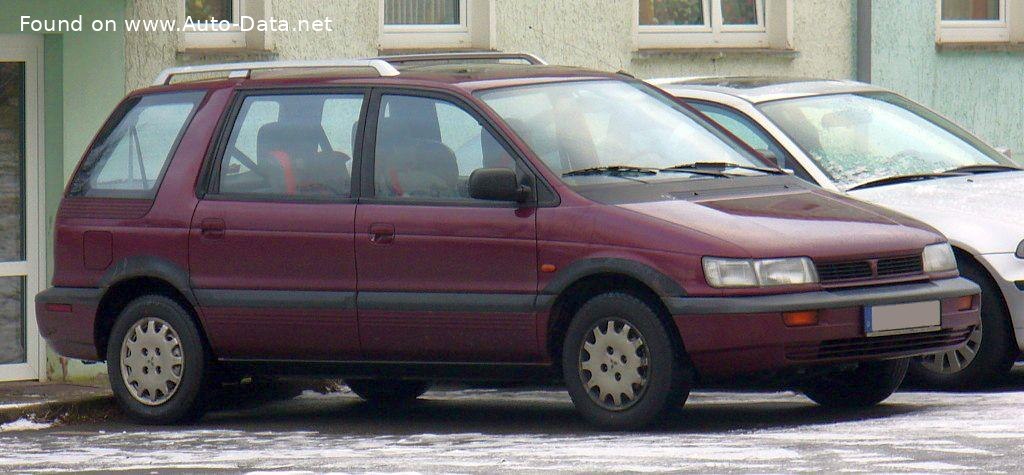
The Mitsubishi Space Wagon II, specifically the 1.8 4×4 (N41W) variant producing 122 horsepower, represents a significant evolution in Mitsubishi’s minivan offerings. Produced from 1991 to 1998, this second-generation Space Wagon aimed to provide a practical and versatile family vehicle, particularly popular in the Japanese domestic market (JDM) and select European countries. While not officially sold in the United States, the Space Wagon II exemplifies the compact MPV (Multi-Purpose Vehicle) trend that was gaining momentum globally during the early to mid-1990s. It offered a blend of space efficiency, all-wheel drive capability, and a relatively compact footprint, making it suitable for navigating crowded urban environments while still accommodating a family and their belongings.
Mitsubishi Space Wagon II: A Detailed Overview
The Space Wagon II built upon the foundation laid by its predecessor, offering increased interior space, improved comfort, and a more refined driving experience. It competed with other compact MPVs like the Toyota Previa, Honda Odyssey (though the Odyssey didn’t arrive in the US until later), and Nissan Serena. The N41W designation specifically identifies the model with the 1.8-liter engine and four-wheel drive system, a configuration that enhanced its appeal in regions with inclement weather or challenging road conditions. The vehicle’s design prioritized practicality and functionality, reflecting the needs of families seeking a versatile and reliable mode of transportation.
Engine & Performance
The heart of the Mitsubishi Space Wagon II 1.8 4×4 (N41W) is a naturally aspirated 1.8-liter inline-four cylinder gasoline engine. This engine produced 122 horsepower, a respectable figure for its time and displacement, and provided adequate power for everyday driving. While not designed for outright performance, the engine delivered a smooth and linear power delivery, making it easy to drive in various conditions. The engine was paired with either a four-speed automatic or a five-speed manual transmission, allowing drivers to choose a configuration that suited their preferences.
The four-wheel drive system employed in the N41W variant was a key selling point. It provided enhanced traction and stability, particularly on slippery surfaces like snow, ice, or gravel. The system typically operated in two-wheel drive mode under normal conditions, automatically engaging the rear wheels when wheel slip was detected. This resulted in improved handling and control, making the Space Wagon II a more confident choice for drivers in regions with challenging weather. The drivetrain was designed for on-road use, with the 4WD system providing added security rather than being geared towards serious off-road capability. Fuel economy, while not a primary focus, was reasonable for a vehicle of its size and type, typically ranging around 22-26 miles per gallon depending on driving conditions and transmission choice.
Design & Features
The Mitsubishi Space Wagon II featured a boxy, yet functional, exterior design typical of minivans from the early 1990s. Its tall roofline maximized interior space, while the relatively short wheelbase contributed to its maneuverability. The vehicle’s styling was understated and practical, prioritizing functionality over flamboyant aesthetics. Large windows provided excellent visibility for both the driver and passengers, enhancing the sense of spaciousness within the cabin.
Inside, the Space Wagon II offered a surprisingly versatile interior. The seating configuration was a key feature, with the ability to accommodate up to seven passengers in a three-row layout. The second and third-row seats could be folded flat or even removed entirely, creating a large cargo area for hauling luggage or other items. The dashboard was ergonomically designed, with easy-to-reach controls and a clear instrument cluster. Features such as air conditioning, power windows, and a basic audio system were typically included, although the level of equipment varied depending on the trim level and market. Safety features, while limited by the standards of the time, included seatbelts for all passengers and, on some models, anti-lock brakes (ABS). The emphasis was on providing a comfortable and practical environment for families, with a focus on maximizing space and versatility.
The Space Wagon II’s design also incorporated several practical features, such as sliding rear doors for easy access in tight parking spaces and a large tailgate for convenient loading and unloading of cargo. The vehicle’s suspension was tuned to provide a comfortable ride, absorbing bumps and imperfections in the road surface. Overall, the Space Wagon II was a well-rounded and practical minivan that offered a compelling combination of space, versatility, and reliability.
Technical Specifications
| Brand | Mitsubishi |
| Model | Space Wagon |
| Generation | Space Wagon II |
| Type | 1.8 4×4 (N41W) (122 Hp) |
| Start of production | 1991 |
| End of production | 1998 |
| Powertrain Architecture | Internal Combustion engine |
| Body type | Minivan |
| Fuel Type | Petrol (Gasoline) |
| Engine specs Power | 122 Hp |
| Engine aspiration | Naturally aspirated engine |
The Mitsubishi Space Wagon II 1.8 4×4 (N41W) remains a noteworthy example of a compact MPV from the early 1990s. While it never achieved widespread popularity in the United States, it served as a practical and versatile family vehicle in its primary markets, offering a blend of space, functionality, and all-wheel drive capability. Its design and features reflected the evolving needs of families seeking a vehicle that could handle a variety of tasks, from daily commutes to weekend adventures. The Space Wagon II’s legacy lies in its contribution to the growing popularity of the compact MPV segment and its demonstration of Mitsubishi’s commitment to producing practical and reliable vehicles.