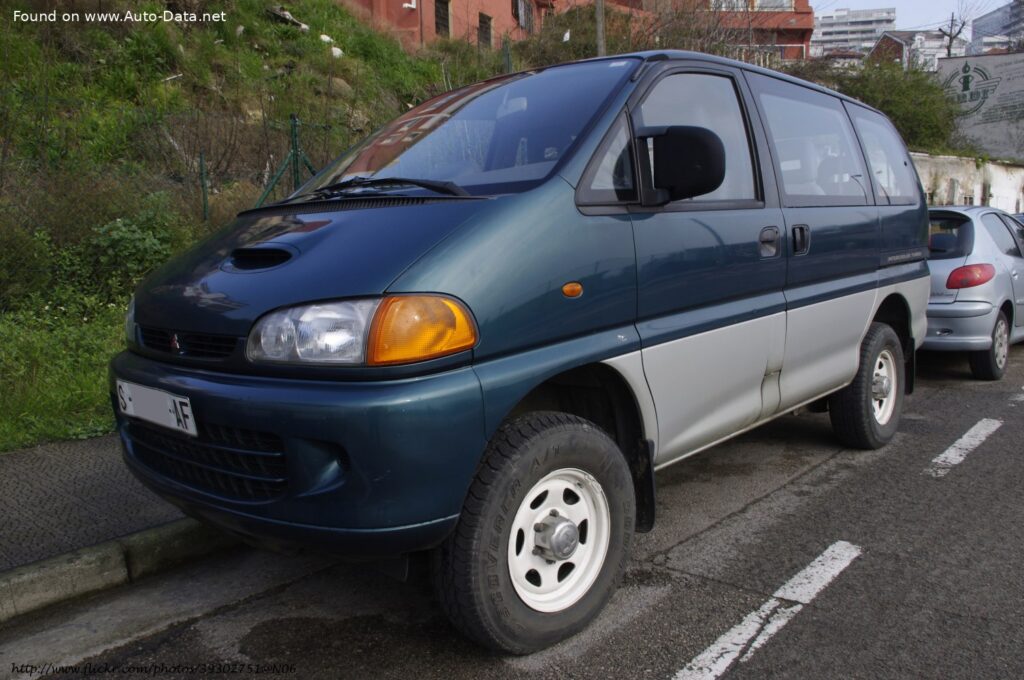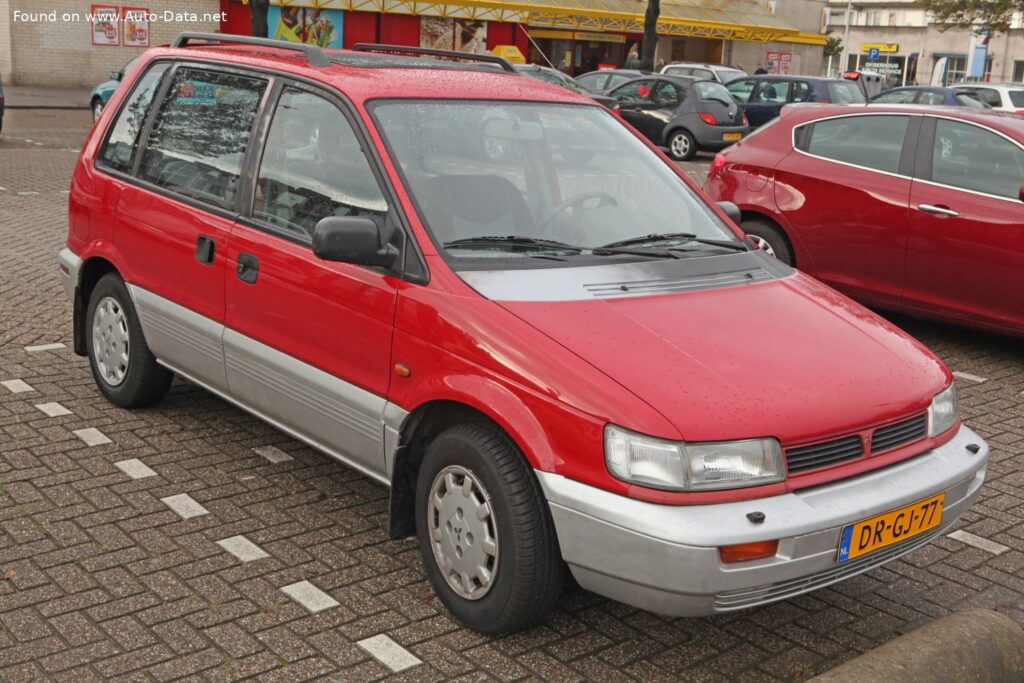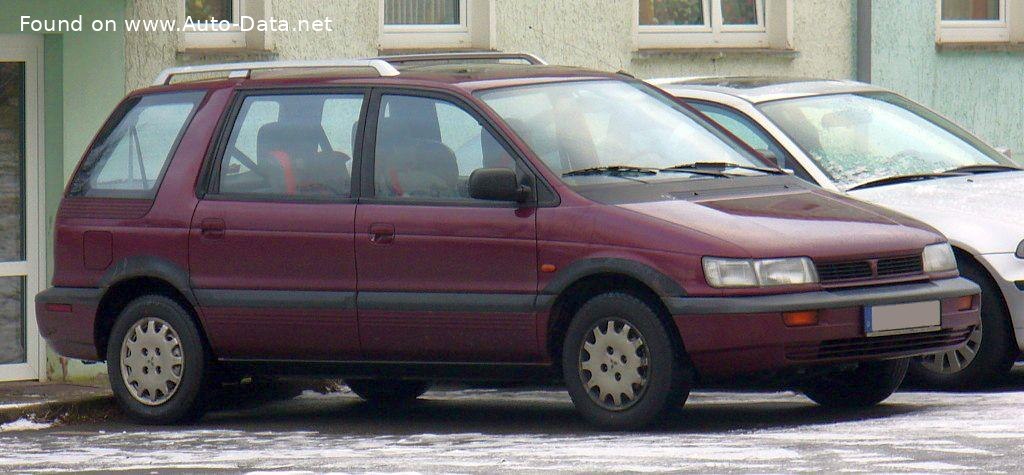
The Mitsubishi Space Wagon II 1.8 (N31W), produced from 1991 to 1998, represents a significant evolution in Mitsubishi’s minivan offerings. This second generation of the Space Wagon, primarily aimed at the Japanese domestic market (JDM) and European regions, offered a practical and versatile family vehicle. While not officially sold in the United States, the Space Wagon II exemplifies the compact MPV (Multi-Purpose Vehicle) trend that was gaining popularity globally during the early to mid-1990s. It competed with vehicles like the Toyota Previa, Honda Odyssey (in later years), and various European MPVs, focusing on maximizing interior space and functionality within a relatively small footprint. The 1.8-liter engine variant, producing 122 horsepower, was a common configuration, balancing performance with fuel economy for everyday use.
Mitsubishi Space Wagon II: A Detailed Overview
The Space Wagon II built upon the foundation laid by its predecessor, offering improved styling, enhanced interior space, and a more refined driving experience. Mitsubishi positioned the Space Wagon II as a vehicle for active families, emphasizing its adaptability for both passenger transport and cargo hauling. Key to its appeal was the availability of seven-seat configurations, a relatively uncommon feature in the compact minivan segment at the time. The N31W designation specifically refers to the chassis code for this generation and engine combination. The vehicle’s design reflected the aesthetic trends of the early 1990s, with a boxy yet aerodynamic profile and a focus on maximizing glass area for improved visibility.
Engine & Performance
The heart of the Mitsubishi Space Wagon II 1.8 (N31W) is a 1.8-liter, naturally aspirated four-cylinder gasoline engine. This engine, while not exceptionally powerful, provided adequate performance for its intended purpose. Producing 122 horsepower, it delivered a reasonable level of acceleration for everyday driving conditions, particularly when the vehicle was not fully loaded. The engine’s naturally aspirated design meant it relied solely on atmospheric pressure for air intake, resulting in a linear power delivery and predictable response.
The engine was typically paired with either a four-speed automatic transmission or a five-speed manual transmission, depending on the market and trim level. The automatic transmission prioritized convenience, while the manual offered drivers greater control and potentially improved fuel efficiency. The Space Wagon II’s drivetrain was front-wheel drive, a common configuration for compact minivans, contributing to its relatively light weight and improved fuel economy. Suspension consisted of MacPherson struts in the front and a multi-link setup in the rear, providing a comfortable ride quality and decent handling characteristics for a vehicle of its size and type. While not designed for sporty driving, the Space Wagon II offered a stable and predictable driving experience, making it well-suited for family transportation.
Design & Features
The Mitsubishi Space Wagon II’s design prioritized practicality and interior space. Its boxy shape maximized the use of interior volume, allowing for a spacious cabin capable of accommodating up to seven passengers. The vehicle’s exterior styling was characterized by clean lines, large windows, and a relatively upright stance. The front end featured a distinctive grille and headlights, reflecting Mitsubishi’s design language of the early 1990s.
Inside, the Space Wagon II offered a functional and versatile interior. The seven-seat configuration, achieved through a combination of folding and removable seats, allowed for a variety of seating arrangements to accommodate different passenger and cargo needs. The dashboard was designed with ergonomics in mind, featuring clearly labeled controls and a straightforward layout. Features varied depending on the trim level and market, but typically included power windows, power steering, and an audio system. Safety features, while not as comprehensive as those found in modern vehicles, included seatbelts for all passengers and, in some markets, airbags. The sliding rear doors, a hallmark of many minivans, provided easy access to the rear seats, particularly in tight parking spaces. The overall design philosophy focused on creating a comfortable, practical, and family-friendly vehicle.
Technical Specifications
| Brand | Mitsubishi |
| Model | Space Wagon |
| Generation | Space Wagon II |
| Type (Engine) | 1.8 (N31W) (122 Hp) |
| Start of production | 1991 |
| End of production | 1998 |
| Powertrain Architecture | Internal Combustion engine |
| Body type | Minivan |
| Fuel Type | Petrol (Gasoline) |
| Power | 122 Hp |
| Engine aspiration | Naturally aspirated engine |
The Mitsubishi Space Wagon II 1.8 (N31W) remains a notable example of the compact MPV segment of the early 1990s. Its focus on practicality, versatility, and interior space made it a popular choice for families in Japan and Europe. While it never reached the North American market, its design and engineering principles influenced the development of minivans globally. The Space Wagon II represents a period of innovation in vehicle design, where manufacturers were striving to create vehicles that could meet the diverse needs of modern families. Its enduring legacy lies in its ability to efficiently package seven passengers into a relatively small and maneuverable vehicle, a characteristic that continues to define the minivan segment today.