
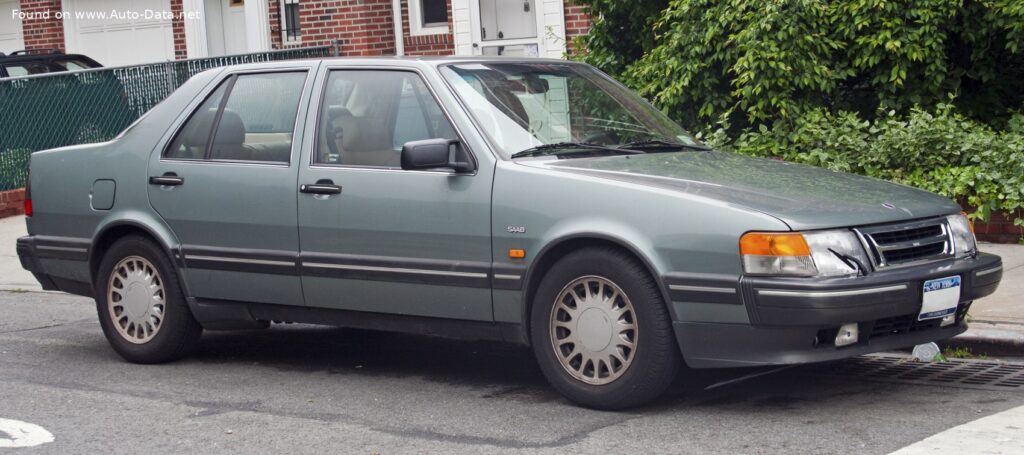
The Saab 9000 2.0 16V Turbo, produced between 1988 and 1993, represents a significant evolution in Saab’s model lineup. Positioned as a larger, more sophisticated alternative to the popular 900, the 9000 aimed to compete directly with executive sedans from German manufacturers like BMW and Audi. This generation of the 9000, specifically the 2.0 16V Turbo variant, combined Saab’s commitment to aerodynamic design, innovative safety features, and turbocharged performance into a practical, five-passenger sedan. While Saab never achieved the same sales volume as its German rivals, the 9000 cultivated a loyal following among enthusiasts who appreciated its unique character and engineering approach. The 9000 was never officially sold in the US market, but was a popular choice in Europe.
The Saab 9000: A Legacy of Innovation
The 9000 was Saab’s first attempt at a car in the executive class. It was a departure from the more compact and quirky designs of previous Saab models, embracing a more conventional, yet still distinctly Saab, aesthetic. The car was designed with a focus on passenger comfort and safety, incorporating features that were ahead of their time. The 2.0 16V Turbo model, with its 160 horsepower output, offered a compelling blend of performance and fuel efficiency, making it a capable grand tourer for European roads. The 9000’s development was driven by a need to expand Saab’s market reach and appeal to a broader customer base, while still retaining the brand’s core values of innovation and driver-focused engineering.
Engine & Performance
The heart of the Saab 9000 2.0 16V Turbo is the B202 engine, a 2.0-liter inline-four cylinder powerplant. This engine is characterized by its robust construction and, crucially, its turbocharging system. The turbocharger significantly boosts power output, allowing the relatively small displacement engine to produce 160 horsepower. The 16-valve cylinder head further enhances breathing and contributes to improved performance. The engine’s design prioritized drivability and torque, making it responsive in a variety of driving situations. While not a high-revving engine, it delivered strong acceleration and effortless cruising speeds.
Power is delivered to the front wheels, a configuration typical for Saab during this period. The transmission options typically included a five-speed manual gearbox and a four-speed automatic transmission. The manual transmission offered a more engaging driving experience, while the automatic provided convenience for everyday use. The 9000’s suspension system was tuned to provide a comfortable ride, absorbing bumps and imperfections in the road surface effectively. Handling was secure and predictable, although not as sporty as some of its competitors. The combination of turbocharging and a well-tuned chassis made the 9000 2.0 16V Turbo a capable and enjoyable vehicle to drive, both on long highway journeys and around town.
Design & Features
The Saab 9000’s exterior design was a product of extensive aerodynamic testing. The car’s shape was designed to minimize drag and improve fuel efficiency. While not overtly stylish in a conventional sense, the 9000 possessed a distinctive and recognizable appearance. The sedan body style offered ample interior space for passengers and luggage. The car’s large windows and relatively upright cabin provided good visibility for the driver.
Inside, the 9000 featured a functional and ergonomically designed interior. Saab was known for its attention to driver comfort, and the 9000 was no exception. The seats were supportive and adjustable, and the dashboard layout was logical and easy to use. Safety was a key consideration in the 9000’s design. Features such as reinforced body structures, side impact protection, and anti-lock brakes (ABS) were available, reflecting Saab’s commitment to passenger safety. The 9000 also offered a range of convenience features, including power windows, central locking, and a high-quality audio system. The overall design philosophy of the 9000 was to create a practical, comfortable, and safe vehicle that appealed to discerning drivers.
Technical Specifications
| Brand | Saab |
| Model | 9000 |
| Generation | 9000 |
| Type (Engine) | 2.0 16V Turbo (160 Hp) |
| Start of production | 1988 |
| End of production | 1993 |
| Powertrain Architecture | Internal Combustion engine |
| Body type | Sedan |
| Seats | 5 |
| Doors | 4 |
| Fuel Type | Petrol (Gasoline) |
| Power | 160 Hp |
| Engine Model/Code | B202 |
| Engine aspiration | Turbocharger |
| Engine oil capacity | 4.2 l / 4.44 US qt | 3.7 UK qt |
| Coolant capacity | 9 l / 9.51 US qt | 7.92 UK qt |
The Saab 9000 2.0 16V Turbo, while not a mainstream success in terms of sales numbers, remains a fondly remembered vehicle among Saab enthusiasts. Its blend of turbocharged performance, comfortable ride, and innovative safety features made it a unique and appealing offering in the executive sedan segment. The car represents a high point in Saab’s engineering history, showcasing the brand’s commitment to independent thinking and driver-focused design. The 9000 paved the way for future Saab models and helped to solidify the brand’s reputation for innovation and quality.
