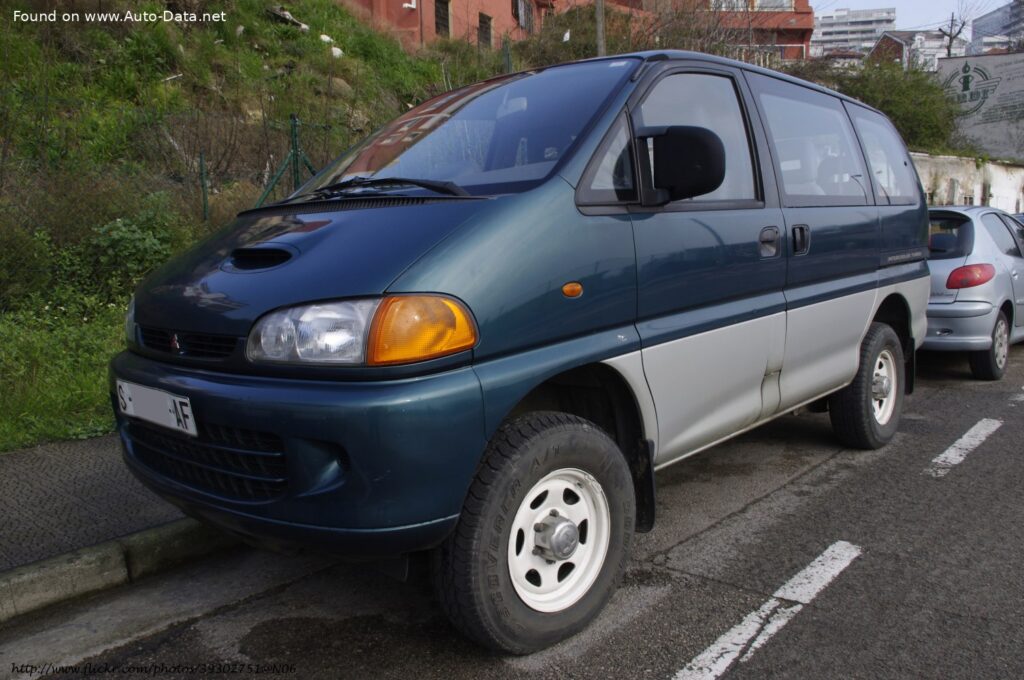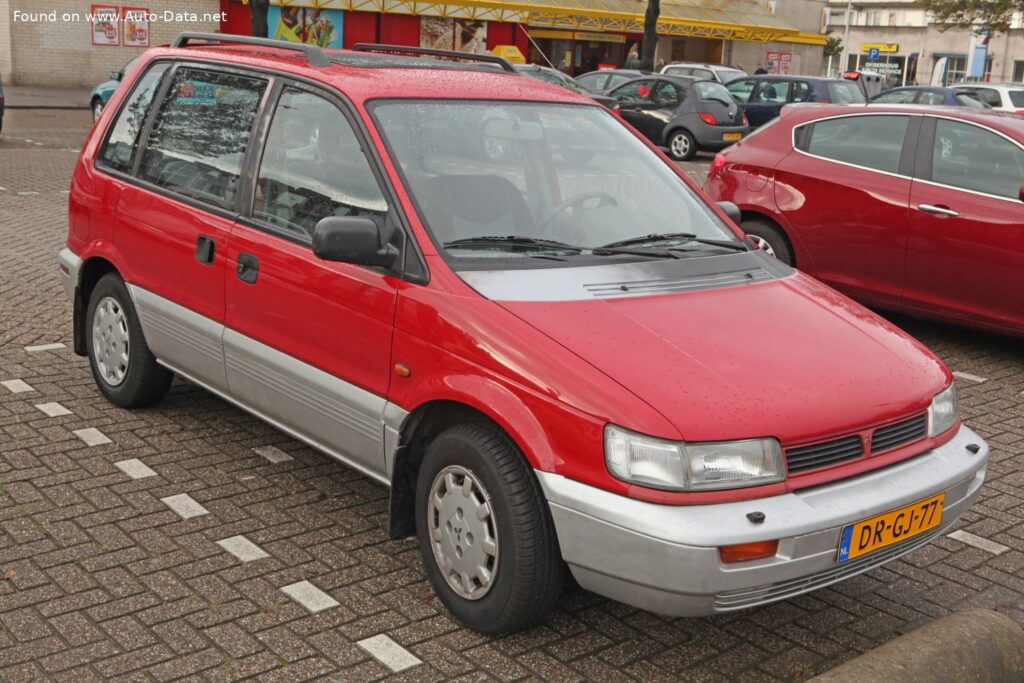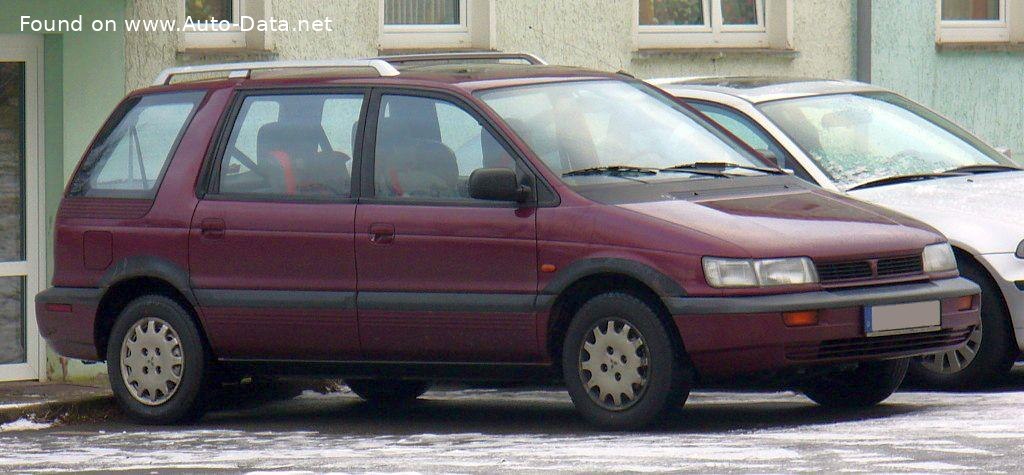
The Mitsubishi Space Wagon II 2.0 GLXi (N33W), produced from 1992 to 1998, is a compact minivan primarily aimed at the European and Asian markets. While not officially sold in the United States, it represents a significant offering in its class, providing a practical and spacious family vehicle. The Space Wagon II was a second-generation model, building upon the success of the original Space Wagon, and focused on improving interior space, comfort, and overall refinement. It competed with vehicles like the Renault Espace, Citroën Xantia, and Toyota Previa, offering a seven-seat configuration in a relatively compact footprint.
Mitsubishi Space Wagon II: An Overview
The Space Wagon II distinguished itself with its versatile interior and focus on family needs. It was offered with a range of engine options depending on the market, but the 2.0 GLXi variant, equipped with a 133 horsepower engine and automatic transmission, was a popular choice. This model provided a balance of performance and convenience, making it suitable for both city driving and longer journeys. The vehicle’s design prioritized maximizing interior space while maintaining a manageable exterior size, a key factor in crowded urban environments.
Engine & Performance
The heart of the Space Wagon II 2.0 GLXi is a 1997cc, inline-four cylinder gasoline engine. This naturally aspirated engine produces 133 horsepower at 6000 rpm and 176 Nm (129.81 lb.-ft.) of torque at 4750 rpm. The engine utilizes a multi-port fuel injection system and an overhead camshaft (OHC) valvetrain with four valves per cylinder. This configuration delivers a respectable power-to-weight ratio of 10.2 kg/Hp and a torque-to-weight ratio of 7.7 kg/Nm. Power is delivered to the front wheels via a four-speed automatic transmission. Performance figures include a 0-100 km/h (0-62 mph) acceleration time of 11.2 seconds and a top speed of 185 km/h (114.95 mph). Fuel consumption is rated at 9.1 liters per 100 kilometers (25.8 US mpg or 31 UK mpg).
Design & Features
The Mitsubishi Space Wagon II is a five-door minivan designed to accommodate up to seven passengers. Its body style emphasizes practicality and space efficiency. The interior is designed for flexibility, with configurable seating arrangements to maximize cargo capacity when passengers are not fully utilizing all seven seats. The trunk space ranges from a minimum of 212 liters (7.49 cu. ft.) with all seats in place to a maximum of 1714 liters (60.53 cu. ft.) with the rear seats folded or removed.
Features of the 2.0 GLXi trim level typically included power steering, ventilated front disc brakes, and drum brakes on the rear wheels. The suspension system utilizes a wishbone configuration at the front and coil springs at the rear, providing a comfortable ride. The vehicle rides on 14-inch wheels with 185/70 R14 tires. While safety features were evolving during this period, the Space Wagon II offered standard safety equipment for its time, including seatbelts for all passengers. The overall design aesthetic was typical of early 1990s Japanese automotive design, prioritizing functionality and a clean, understated appearance.
Technical Specifications
| Brand | Mitsubishi |
| Model | Space Wagon |
| Generation | Space Wagon II |
| Type | 2.0 GLXi (N33W) (133 Hp) Automatic |
| Start of production | 1992 |
| End of production | 1998 |
| Powertrain Architecture | Internal Combustion engine |
| Body type | Minivan |
| Seats | 7 |
| Doors | 5 |
| Fuel consumption (combined) | 9.1 l/100 km |
| Fuel consumption (US mpg) | 25.8 US mpg |
| Fuel consumption (UK mpg) | 31 UK mpg |
| Fuel Type | Petrol (Gasoline) |
| Acceleration 0 – 100 km/h | 11.2 sec |
| Acceleration 0 – 62 mph | 11.2 sec |
| Acceleration 0 – 60 mph | 10.6 sec |
| Maximum speed | 185 km/h (114.95 mph) |
| Weight-to-power ratio | 10.2 kg/Hp |
| Weight-to-torque ratio | 7.7 kg/Nm |
| Power | 133 Hp @ 6000 rpm |
| Power per litre | 66.6 Hp/l |
| Torque | 176 Nm @ 4750 rpm (129.81 lb.-ft. @ 4750 rpm) |
| Engine layout | Front, Transverse |
| Engine displacement | 1997 cm3 (121.86 cu. in.) |
| Number of cylinders | 4 |
| Engine configuration | Inline |
| Cylinder Bore | 85 mm (3.35 in.) |
| Piston Stroke | 88 mm (3.46 in.) |
| Compression ratio | 10:1 |
| Number of valves per cylinder | 4 |
| Fuel injection system | Multi-port manifold injection |
| Engine aspiration | Naturally aspirated |
| Valvetrain | OHC |
| Kerb Weight | 1351 kg (2978.45 lbs.) |
| Max. weight | 1980 kg (4365.15 lbs.) |
| Max load | 629 kg (1386.71 lbs.) |
| Trunk (boot) space – minimum | 212 l (7.49 cu. ft.) |
| Trunk (boot) space – maximum | 1714 l (60.53 cu. ft.) |
| Fuel tank capacity | 60 l (15.85 US gal | 13.2 UK gal) |
| Length | 4515 mm (177.76 in.) |
| Width | 1695 mm (66.73 in.) |
| Height | 1615 mm (63.58 in.) |
| Wheelbase | 2720 mm (107.09 in.) |
| Front track | 1460 mm (57.48 in.) |
| Rear (Back) track | 1460 mm (57.48 in.) |
| Drivetrain Architecture | ICE, Front Wheel Drive |
| Drive wheel | Front wheel drive |
| Number of gears and type of gearbox | 4 gears, automatic transmission |
| Front suspension | Wishbone |
| Rear suspension | Coil spring |
| Front brakes | Ventilated discs |
| Rear brakes | Drum |
| Steering type | Steering rack and pinion |
| Power steering | Hydraulic |
| Tires size | 185/70 R14 |
| Wheel rims size | 14 |
The Mitsubishi Space Wagon II 2.0 GLXi (N33W) remains a notable example of a practical and versatile family vehicle from the early 1990s. While not widely available in the United States, it served a valuable role in the European and Asian markets, offering a spacious and comfortable transportation solution for families.