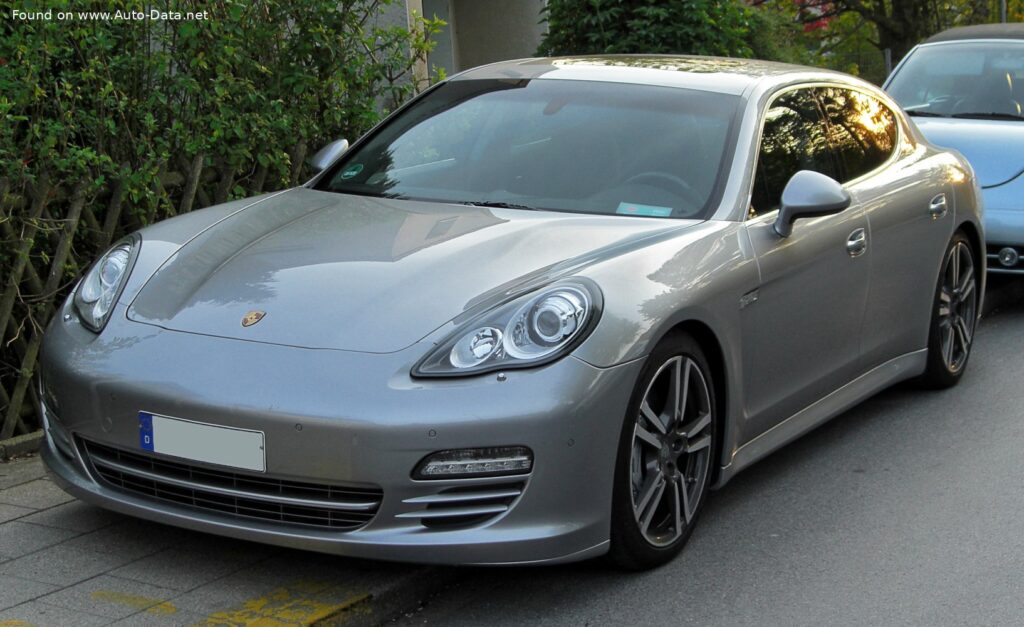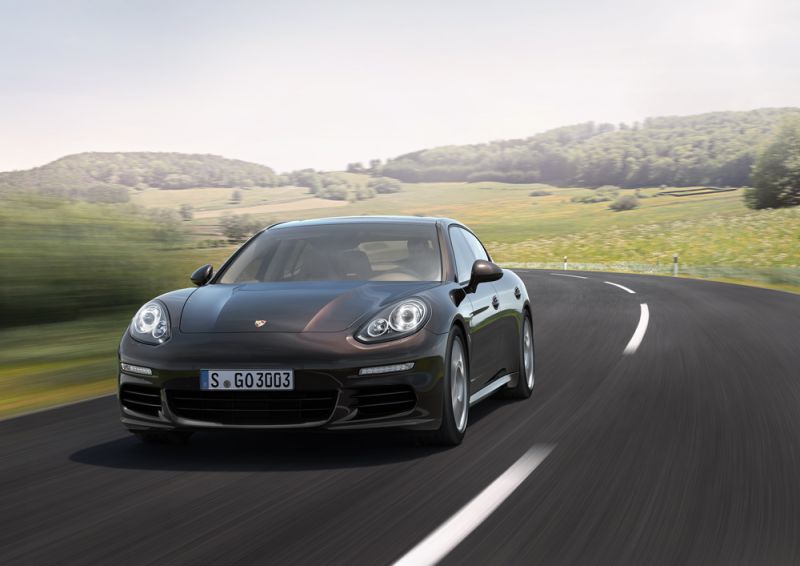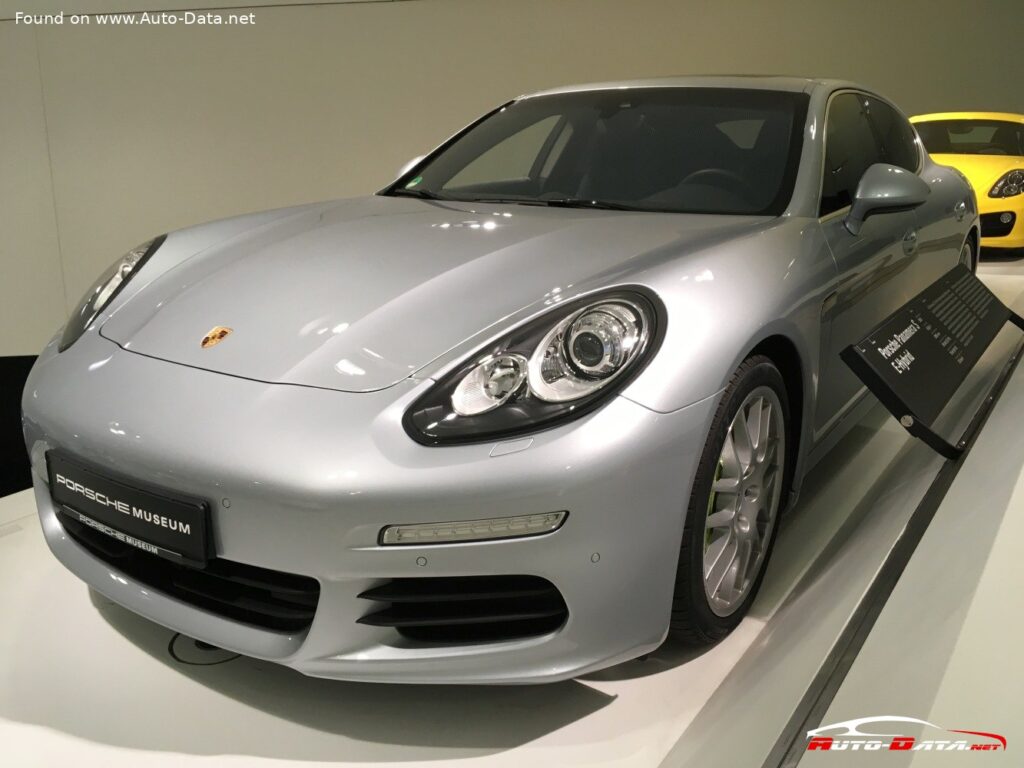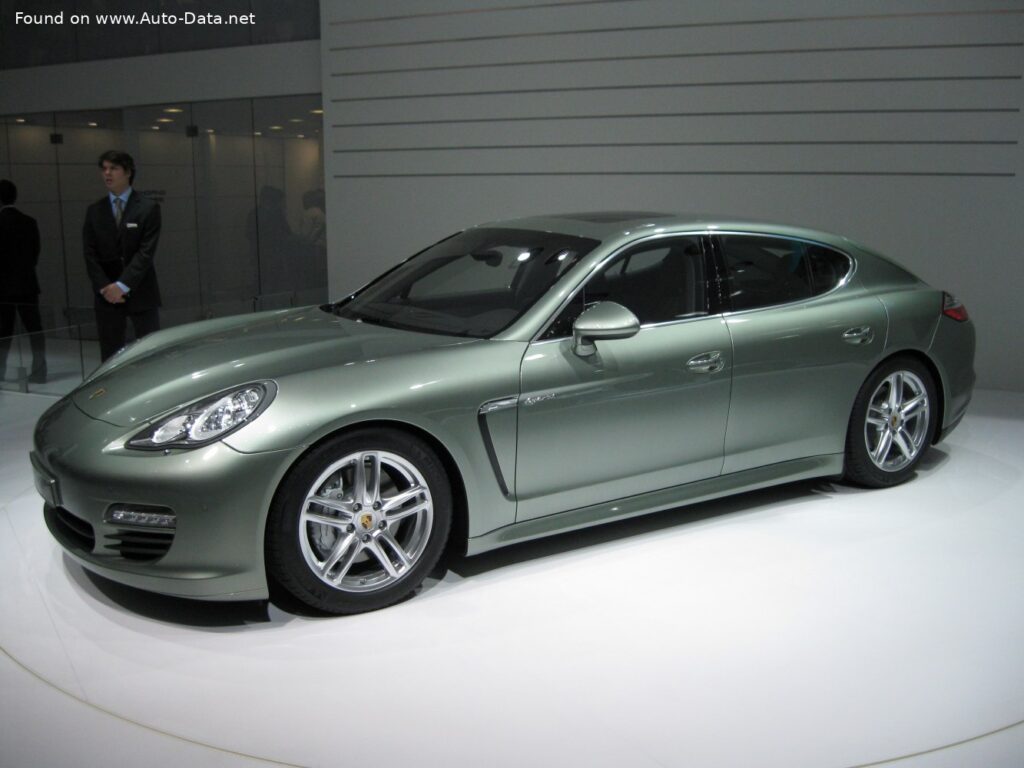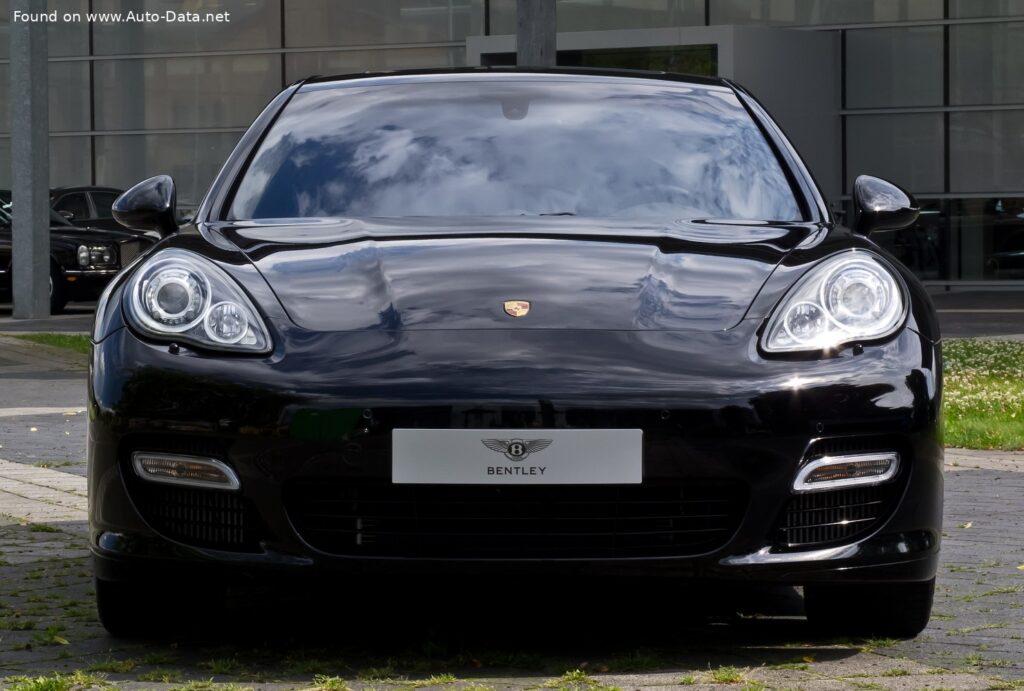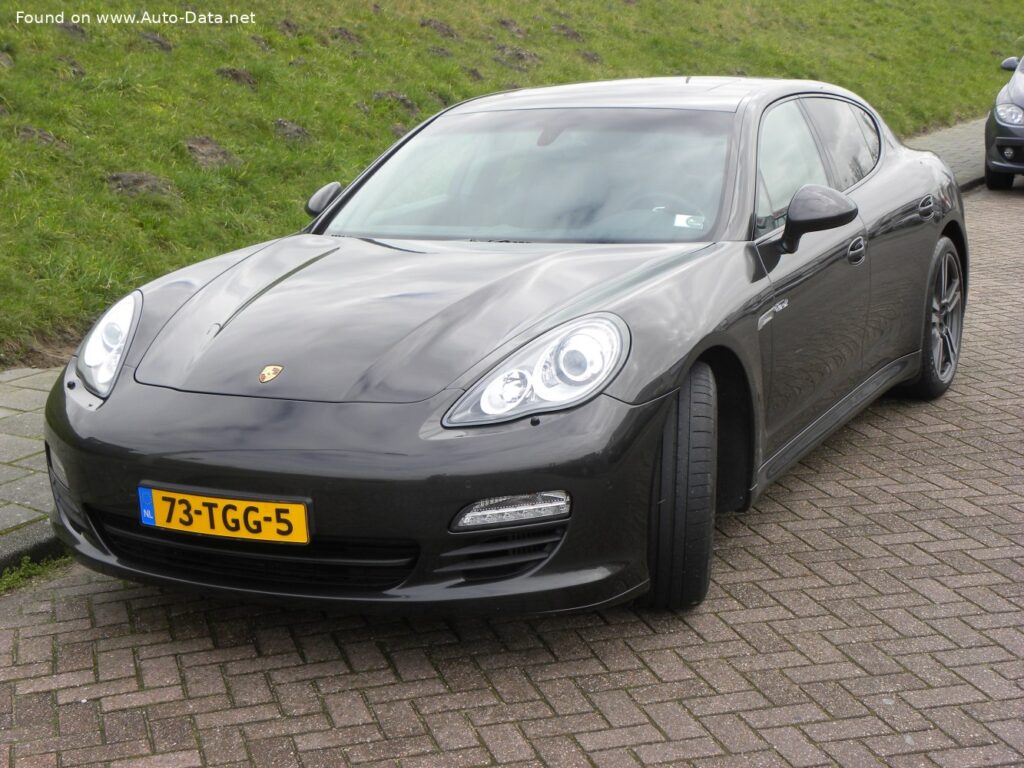
The Porsche Panamera (G1), launched in 2009, represented Porsche’s first foray into the luxury four-door grand touring segment. The model range was expanded in 2011 with the introduction of the 3.0 Diesel V6 variant, aimed at broadening the Panamera’s appeal, particularly in European markets where diesel engines held significant market share. This version, equipped with a Tiptronic S transmission, combined Porsche’s performance ethos with the fuel efficiency expected of a diesel powertrain. Production of this specific configuration ran from 2011 to 2013.
Porsche Panamera (G1) 3.0 Diesel V6: An Overview
The Panamera G1, internally designated as the 970, was a significant departure for Porsche, challenging the brand’s traditional sports car image. The 3.0 Diesel V6 model was specifically designed to offer a balance between performance and economy, appealing to customers seeking a luxurious and capable grand tourer with lower running costs. While not initially offered in the United States due to the comparatively smaller diesel market, it was a popular choice in Europe and other regions.
Engine & Performance
At the heart of the Panamera 3.0 Diesel lies a 2,967 cc (181.06 cu. in.) V6 diesel engine, producing 250 horsepower at 3,800-4,400 rpm and a substantial 550 Nm (405.66 lb.-ft.) of torque between 1,750 and 2,750 rpm. This engine utilizes a turbocharger and intercooler to enhance performance, and features a diesel commonrail fuel injection system. The engine’s longitudinal front-mounted layout contributes to the car’s balanced handling characteristics. Power is delivered to the rear wheels via an eight-speed Tiptronic S automatic transmission, allowing for both fully automatic operation and manual gear selection. This powertrain configuration enables a 0-60 mph (0-96 km/h) acceleration time of approximately 6.5 seconds and a maximum speed of 242 km/h (150.37 mph). The weight-to-power ratio of 7.5 kg/Hp and weight-to-torque ratio of 3.4 kg/Nm further highlight the engine’s efficiency.
Design & Features
The Porsche Panamera G1 is characterized by its distinctive liftback body style, offering both the elegance of a coupe and the practicality of a hatchback. The four-door configuration provides comfortable seating for four adults, while the liftback design allows for a generous cargo capacity. The 3.0 Diesel model retained the Panamera’s luxurious interior appointments, featuring high-quality materials and a driver-focused cockpit. Key features included Porsche’s Communication Management (PCM) system, offering navigation and entertainment options, as well as a range of comfort and convenience features. Safety features were also a priority, with standard equipment including ABS, and a comprehensive airbag system. The inclusion of a particulate filter and Start & Stop system demonstrated Porsche’s commitment to reducing emissions and improving fuel economy. The aerodynamic design, evidenced by a drag coefficient of 0.30, contributed to both stability at high speeds and fuel efficiency.
Technical Specifications
| Brand | Porsche |
| Model | Panamera |
| Generation | Panamera (G1) |
| Type (Engine) | 3.0 Diesel V6 (250 Hp) Tiptronic S |
| Start of production | 2011 |
| End of production | 2013 |
| Powertrain Architecture | Internal Combustion engine |
| Body type | Liftback |
| Seats | 4 |
| Doors | 4 |
| Fuel consumption (economy) – urban (NEDC) | 8.1 l/100 km (29 US mpg, 34.9 UK mpg, 12.3 km/l) |
| Fuel consumption (economy) – extra urban (NEDC) | 5.6 l/100 km (42 US mpg, 50.4 UK mpg, 17.9 km/l) |
| Fuel consumption (economy) – combined (NEDC) | 6.5 l/100 km (36.2 US mpg, 43.5 UK mpg, 15.4 km/l) |
| CO2 emissions (NEDC) | 172 g/km |
| Fuel Type | Diesel |
| Acceleration 0 – 100 km/h | 6.8 sec |
| Acceleration 0 – 62 mph | 6.8 sec |
| Acceleration 0 – 60 mph | 6.5 sec |
| Acceleration 0 – 200 km/h | 30.4 sec |
| Maximum speed | 242 km/h (150.37 mph) |
| Emission standard | Euro 5 |
| Weight-to-power ratio | 7.5 kg/Hp, 133 Hp/tonne |
| Weight-to-torque ratio | 3.4 kg/Nm, 292.6 Nm/tonne |
| Power | 250 Hp @ 3800-4400 rpm |
| Power per litre | 84.3 Hp/l |
| Torque | 550 Nm @ 1750-2750 rpm (405.66 lb.-ft. @ 1750-2750 rpm) |
| Maximum engine speed | 4800 rpm |
| Engine layout | Front, Longitudinal |
| Engine Model/Code | CRCC |
| Engine displacement | 2967 cm3 (181.06 cu. in.) |
| Number of cylinders | 6 |
| Engine configuration | V-engine |
| Cylinder Bore | 83 mm (3.27 in.) |
| Piston Stroke | 91.4 mm (3.6 in.) |
| Compression ratio | 16.8:1 |
| Number of valves per cylinder | 4 |
| Fuel injection system | Diesel Commonrail |
| Engine aspiration | Turbocharger, Intercooler |
| Valvetrain | DOHC |
| Engine oil capacity | 7.7 l (8.14 US qt | 6.78 UK qt) |
| Kerb Weight | 1880 kg (4144.69 lbs.) |
| Max. weight | 2500 kg (5511.56 lbs.) |
| Max load | 620 kg (1366.87 lbs.) |
| Trunk (boot) space – minimum | 445 l (15.72 cu. ft.) |
| Trunk (boot) space – maximum | 1263 l (44.6 cu. ft.) |
| Fuel tank capacity | 80 l (21.13 US gal | 17.6 UK gal) |
| Length | 4970 mm (195.67 in.) |
| Width | 1931 mm (76.02 in.) |
| Width including mirrors | 2114 mm (83.23 in.) |
| Height | 1418 mm (55.83 in.) |
| Wheelbase | 2920 mm (114.96 in.) |
| Front track | 1658 mm (65.28 in.) |
| Rear (Back) track | 1662 mm (65.43 in.) |
| Ride height (ground clearance) | 143 mm (5.63 in.) |
| Drag coefficient (Cd) | 0.30 |
| Drive wheel | Rear wheel drive |
| Number of gears and type of gearbox | 8 gears, automatic transmission Tiptronic S |
| Front suspension | Double wishbone |
| Rear suspension | Independent multi-link suspension |
| Front brakes | Ventilated discs, 360×36 mm |
| Rear brakes | Ventilated discs, 330×28 mm |
| Front wheel tires | 245/50 R18; 255/45 R19; 255/40 R20 |
| Rear wheel tires | 275/45 R18; 285/40 R19; 295/35 R20 |
The Porsche Panamera 3.0 Diesel V6 (G1) offered a compelling combination of luxury, performance, and efficiency, establishing a new benchmark in the grand touring segment. While not widely available in all markets, it remains a significant model in Porsche’s history, demonstrating the brand’s willingness to innovate and adapt to changing customer demands.