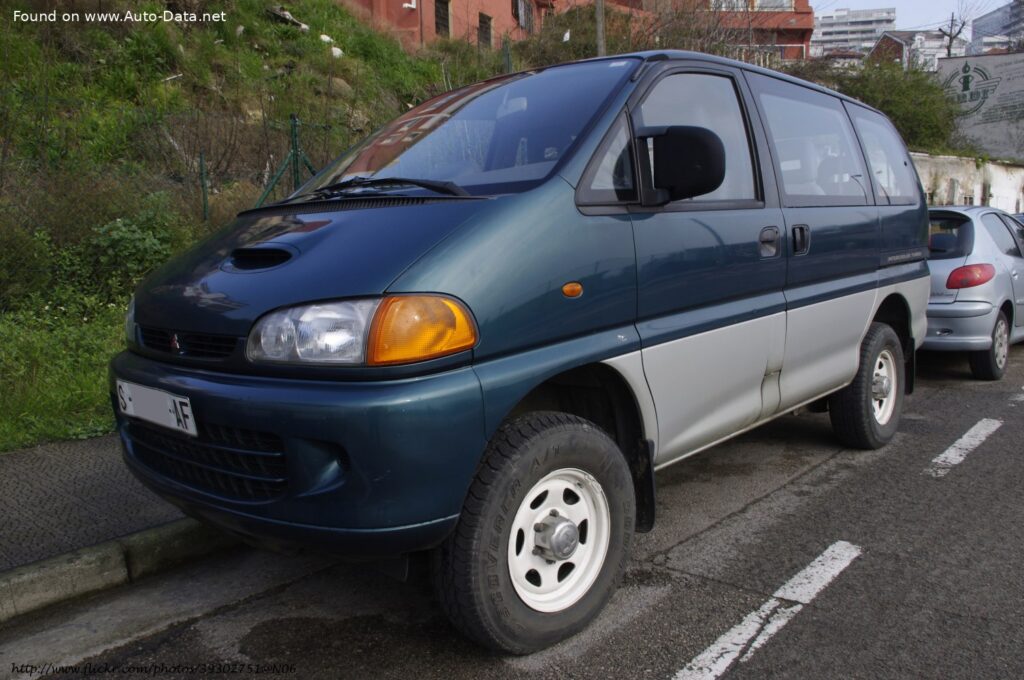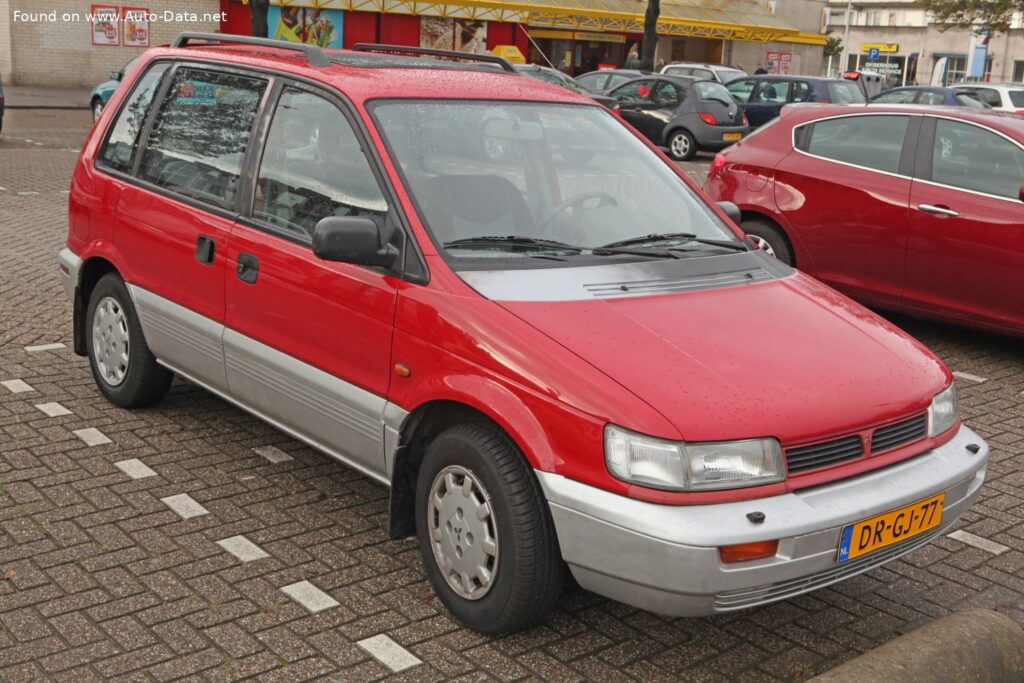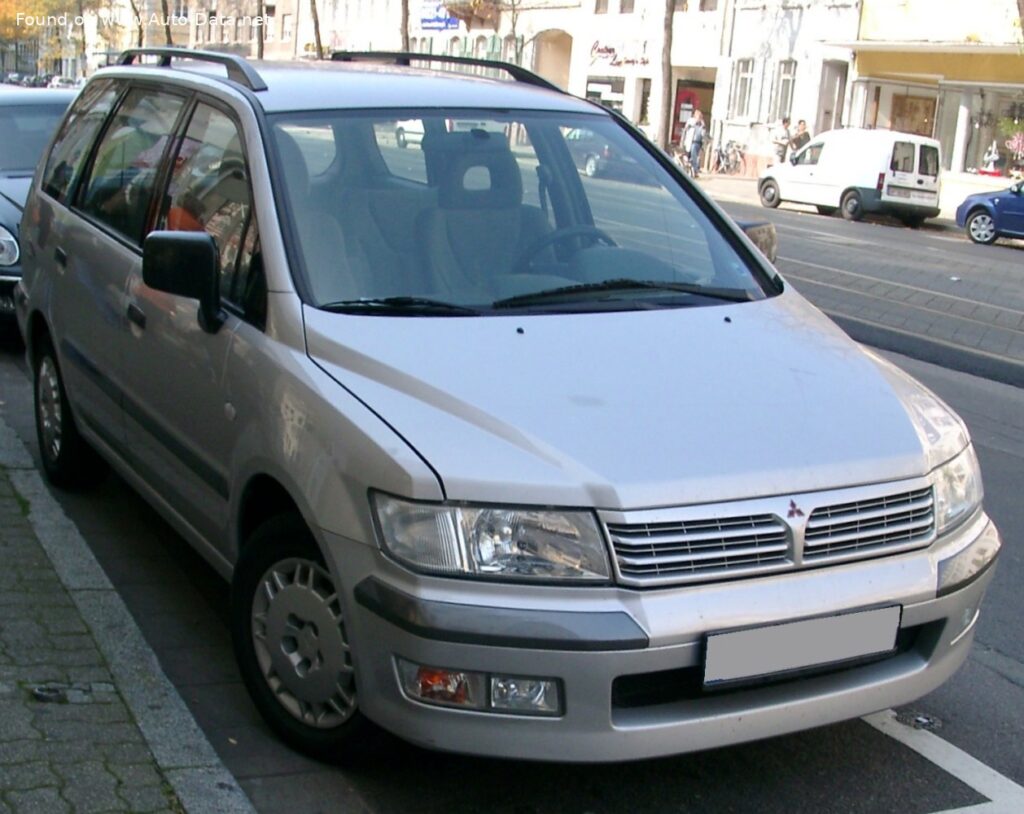
The Mitsubishi Space Wagon III 2.4 GDI 4×4 (150 Hp), produced between 1998 and 2002, represents the third generation of Mitsubishi’s popular minivan. While not officially sold in the United States, the Space Wagon held a significant position in the European and Asian markets as a practical and versatile family vehicle. It competed with models like the Renault Espace, Citroën Evasion, and Toyota Previa, offering a blend of space, comfort, and available all-wheel drive. The “GDI” designation signifies the use of Mitsubishi’s Gasoline Direct Injection technology, aimed at improving fuel efficiency and performance. This generation of the Space Wagon built upon the success of its predecessors, offering increased refinement and a more modern feature set.
Mitsubishi Space Wagon III: A Detailed Overview
The Space Wagon III was designed to cater to families needing a spacious and adaptable vehicle. Its seven-seat configuration, combined with a relatively compact footprint for a minivan, made it a popular choice in densely populated areas. The availability of a four-wheel drive system further enhanced its appeal in regions with challenging weather conditions. The 2.4-liter GDI engine was a key component, providing a balance between power and economy. The Space Wagon III represented Mitsubishi’s commitment to providing practical and reliable transportation solutions for a global audience.
Engine & Performance
Powering the Mitsubishi Space Wagon III 2.4 GDI 4×4 is a 2.4-liter inline-four cylinder engine, utilizing Mitsubishi’s Gasoline Direct Injection (GDI) technology. This engine produces 150 horsepower at 5500 rpm and 225 Nm (165.95 lb.-ft.) of torque at 3500 rpm. The GDI system directly injects fuel into the combustion chamber, allowing for more precise fuel control, improved combustion efficiency, and increased power output compared to traditional port fuel injection systems. The engine’s configuration – front, transverse – is typical for front-wheel-drive based vehicles, and in this case, facilitates the implementation of the all-wheel-drive system. The Space Wagon III achieves a 0-100 km/h (0-62 mph) acceleration time of 11 seconds, and a 0-60 mph time of approximately 10.5 seconds. Its maximum speed is rated at 185 km/h (114.95 mph). The weight-to-power ratio of 10.7 kg/Hp and weight-to-torque ratio of 7.2 kg/Nm indicate a reasonable balance between weight and performance for a vehicle of its class.
Design & Features
The Mitsubishi Space Wagon III is a five-door minivan with a seating capacity of seven passengers. Its design prioritizes practicality and space utilization. The body style is characterized by a relatively boxy shape, maximizing interior volume. The interior is designed to be flexible, with configurable seating arrangements to accommodate varying passenger and cargo needs. While not overtly luxurious, the Space Wagon III offered a comfortable and functional interior for its time. Safety features included an Anti-lock Braking System (ABS) and hydraulic power steering, which were becoming increasingly standard on vehicles in the late 1990s and early 2000s. The vehicle’s dimensions – 4600 mm (181.1 in) in length, 1775 mm (69.88 in) in width, and a wheelbase of 2780 mm (109.45 in) – contribute to its spacious interior. Trunk space, with all seats in use, is limited to 240 liters (8.48 cu. ft.), but expands significantly with seats folded or removed. The 58-liter (15.32 US gal) fuel tank provides a reasonable driving range.
Technical Specifications
| Brand | Mitsubishi |
| Model | Space Wagon |
| Generation | Space Wagon III |
| Type (Engine) | 2.4 GDI 4×4 (150 Hp) |
| Start of production | 1998 |
| End of production | 2002 |
| Powertrain Architecture | Internal Combustion engine |
| Body type | Minivan |
| Seats | 7 |
| Doors | 5 |
| Fuel Type | Petrol (Gasoline) |
| Acceleration 0 – 100 km/h | 11 sec |
| Acceleration 0 – 62 mph | 11 sec |
| Acceleration 0 – 60 mph | 10.5 sec |
| Maximum speed | 185 km/h (114.95 mph) |
| Weight-to-power ratio | 10.7 kg/Hp |
| Weight-to-torque ratio | 7.2 kg/Nm |
| Power | 150 Hp @ 5500 rpm |
| Power per litre | 63.8 Hp/l |
| Torque | 225 Nm @ 3500 rpm (165.95 lb.-ft. @ 3500 rpm) |
| Engine layout | Front, Transverse |
| Engine displacement | 2351 cm3 (143.47 cu. in.) |
| Number of cylinders | 4 |
| Engine configuration | Inline |
| Cylinder Bore | 86.5 mm (3.41 in.) |
| Piston Stroke | 100 mm (3.94 in.) |
| Compression ratio | 11.5:1 |
| Number of valves per cylinder | 4 |
| Fuel injection system | Direct injection |
| Engine aspiration | Naturally aspirated engine |
| Valvetrain | OHC |
| Kerb Weight | 1610 kg (3549.44 lbs.) |
| Max. weight | 2260 kg (4982.45 lbs.) |
| Max load | 650 kg (1433 lbs.) |
| Trunk (boot) space – maximum | 240 l (8.48 cu. ft.) |
| Fuel tank capacity | 58 l (15.32 US gal | 12.76 UK gal) |
| Length | 4600 mm (181.1 in.) |
| Width | 1775 mm (69.88 in.) |
| Wheelbase | 2780 mm (109.45 in.) |
| Front track | 1500 mm (59.06 in.) |
| Rear (Back) track | 1535 mm (60.43 in.) |
| Drive wheel | All wheel drive (4×4) |
| Number of gears and type of gearbox | 5 gears, manual transmission |
| Front suspension | Coil spring |
| Rear suspension | Coil spring |
| Front brakes | Disc |
| Rear brakes | Disc |
| Assisting systems | ABS (Anti-lock braking system) |
| Power steering | Hydraulic Steering |
| Tires size | 205/65 R15 |
The Mitsubishi Space Wagon III 2.4 GDI 4×4 offered a compelling package for families seeking a versatile and practical vehicle. Its combination of spaciousness, available all-wheel drive, and efficient GDI engine made it a popular choice in its target markets. While not a performance vehicle, it provided adequate power and handling for everyday driving needs. The Space Wagon III remains a testament to Mitsubishi’s engineering capabilities and its commitment to providing innovative transportation solutions.