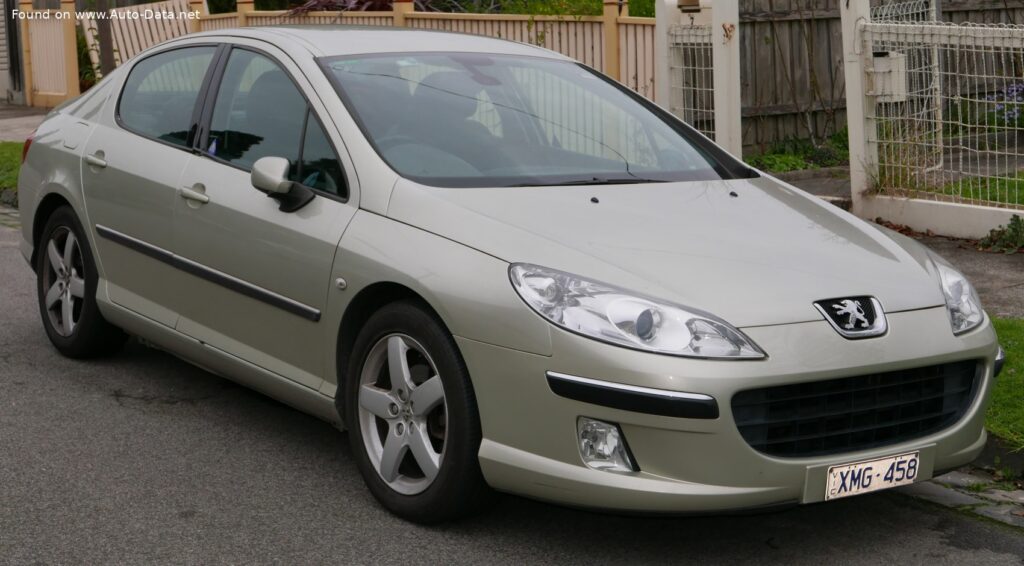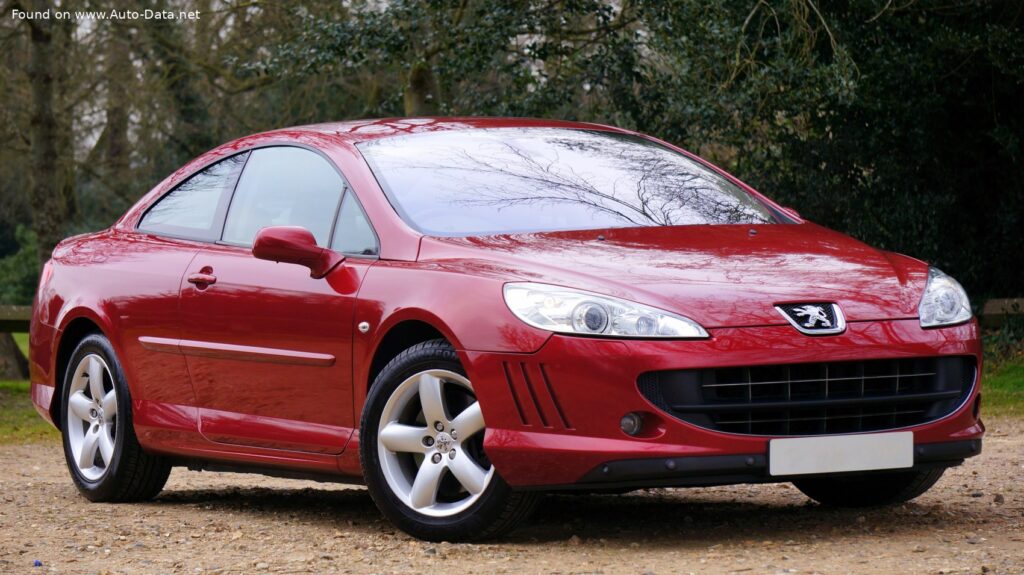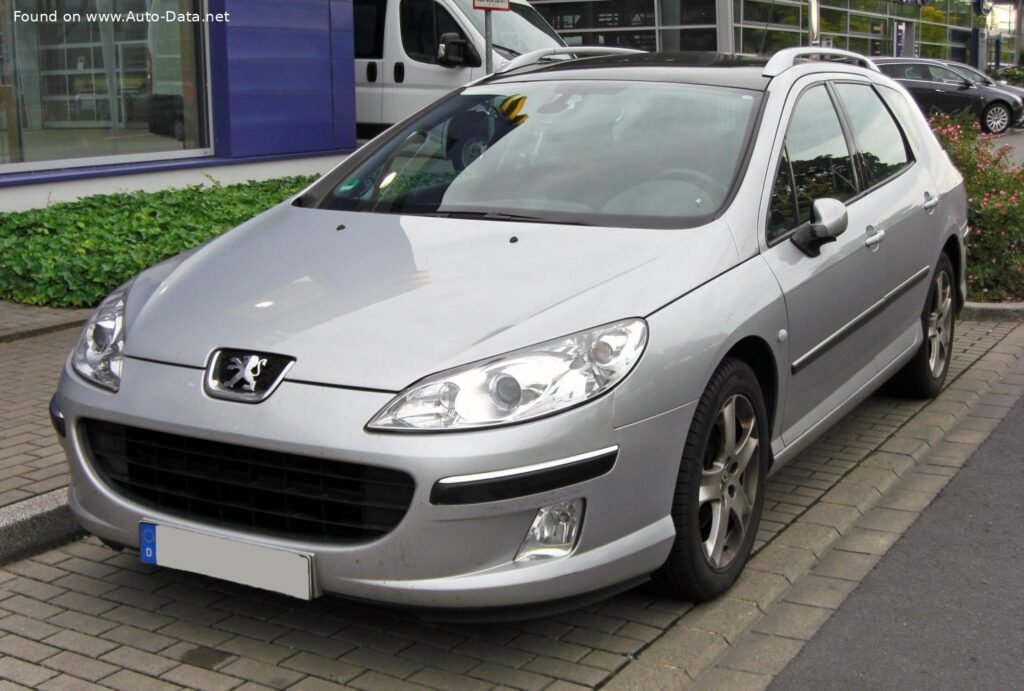
The Peugeot 407 SW 2.0 HDi, produced between 2006 and 2008, represents Peugeot’s entry into the competitive D-segment of station wagons (estate cars). Designed as a practical and stylish alternative to traditional sedans, the 407 SW offered increased cargo capacity and versatility without sacrificing the comfort and refinement expected of a modern European vehicle. While not officially sold in the United States, the 407 SW was a popular choice in Europe, offering a compelling blend of fuel efficiency, spaciousness, and driving dynamics. It served as a key model in Peugeot’s lineup, appealing to families and individuals needing a versatile vehicle for both daily commutes and longer journeys.
The Peugeot 407 SW: A Detailed Overview
The 407 SW is part of the broader Peugeot 407 range, which replaced the popular 406. The “SW” designation signifies the station wagon body style, differentiating it from the available sedan and coupe versions. The 2.0 HDi variant, equipped with a 136 horsepower diesel engine, was a particularly popular choice due to its balance of performance and fuel economy. The 407 SW aimed to provide a more sophisticated and modern alternative to other station wagons available in the European market, focusing on design, comfort, and technology.
Engine & Performance
The heart of the Peugeot 407 SW 2.0 HDi is a 1,997 cc (121.86 cu. in.) inline-four cylinder diesel engine, designated RHR DW10BTED4. This engine produces 136 horsepower at 4,000 rpm and a substantial 320 Nm (236.02 lb.-ft.) of torque at 2,000 rpm. The engine utilizes a turbocharger with an intercooler to enhance performance and efficiency. A diesel commonrail fuel injection system ensures precise fuel delivery, contributing to both power output and reduced emissions. The 407 SW 2.0 HDi achieves a 0-100 km/h (0-62 mph) acceleration time of 9.8 seconds, and a 0-60 mph time of 9.3 seconds, with a maximum speed of 205 km/h (127.38 mph). Fuel economy is a strong point, with combined cycle consumption rated at 8.2 l/100 km (28.7 US mpg, 34.4 UK mpg, 12.2 km/l). The engine’s power-to-weight ratio is 12.1 kg/Hp, and torque-to-weight ratio is 5.2 kg/Nm.
Design & Features
The Peugeot 407 SW boasts a sleek and modern station wagon design. Its elongated roofline and large rear window contribute to a spacious and practical cargo area. The vehicle is a five-seater with five doors, offering comfortable accommodation for passengers. Key features of the 407 SW include its generous trunk space – a minimum of 407 liters (14.37 cu. ft.) – which can be expanded by folding down the rear seats. Safety features, typical for vehicles of this era, include ABS (Anti-lock Braking System) and front and rear disc brakes. Power steering is electrically assisted. The 407 SW typically came equipped with 16 or 17-inch wheel rims. The interior design focused on providing a comfortable and refined environment, with a focus on ergonomics and build quality. The SW’s design prioritized practicality and load-carrying capacity, making it a popular choice for families and those requiring a versatile vehicle.
Technical Specifications
| Brand | Peugeot |
| Model | 407 |
| Generation | 407 SW |
| Type (Engine) | 2.0 HDi (136 Hp) |
| Start of production | 2006 |
| End of production | 2008 |
| Powertrain Architecture | Internal Combustion engine |
| Body type | Station wagon (estate) |
| Seats | 5 |
| Doors | 5 |
| Fuel consumption (urban) | 11.5 l/100 km (20.5 US mpg, 24.6 UK mpg, 8.7 km/l) |
| Fuel consumption (extra urban) | 5.6 l/100 km (42 US mpg, 50.4 UK mpg, 17.9 km/l) |
| Fuel consumption (combined) | 8.2 l/100 km (28.7 US mpg, 34.4 UK mpg, 12.2 km/l) |
| Fuel Type | Diesel |
| Acceleration 0 – 100 km/h | 9.8 sec |
| Acceleration 0 – 62 mph | 9.8 sec |
| Acceleration 0 – 60 mph | 9.3 sec |
| Maximum speed | 205 km/h (127.38 mph) |
| Emission standard | Euro 4 |
| Weight-to-power ratio | 12.1 kg/Hp |
| Weight-to-torque ratio | 5.2 kg/Nm |
| Power | 136 Hp @ 4000 rpm |
| Torque | 320 Nm @ 2000 rpm (236.02 lb.-ft. @ 2000 rpm) |
| Engine layout | Front, Transverse |
| Engine Model/Code | RHR DW10BTED4 |
| Engine displacement | 1997 cm3 (121.86 cu. in.) |
| Number of cylinders | 4 |
| Engine configuration | Inline |
| Cylinder Bore | 85 mm (3.35 in.) |
| Piston Stroke | 88 mm (3.46 in.) |
| Number of valves per cylinder | 4 |
| Fuel injection system | Diesel Commonrail |
| Engine aspiration | Turbocharger, Intercooler |
| Engine oil capacity | 5.25 l (5.55 US qt | 4.62 UK qt) |
| Coolant | 9 l (9.51 US qt | 7.92 UK qt) |
| Kerb Weight | 1648 kg (3633.22 lbs.) |
| Max. weight | 2183 kg (4812.69 lbs.) |
| Max load | 535 kg (1179.47 lbs.) |
| Trunk (boot) space – minimum | 407 l (14.37 cu. ft.) |
| Length | 4763 mm (187.52 in.) |
| Width | 1811 mm (71.3 in.) |
| Height | 1486 mm (58.5 in.) |
| Wheelbase | 2725 mm (107.28 in.) |
| Front track | 1554-1560 mm (61.18 – 61.42 in.) |
| Rear (Back) track | 1510-1526 mm (59.45 – 60.08 in.) |
| Front overhang | 1029 mm (40.51 in.) |
| Rear overhang | 1009 mm (39.72 in.) |
| Drivetrain Architecture | Front wheel drive |
| Number of gears and type of gearbox | 6 gears, manual transmission |
| Front brakes | Disc |
| Rear brakes | Disc |