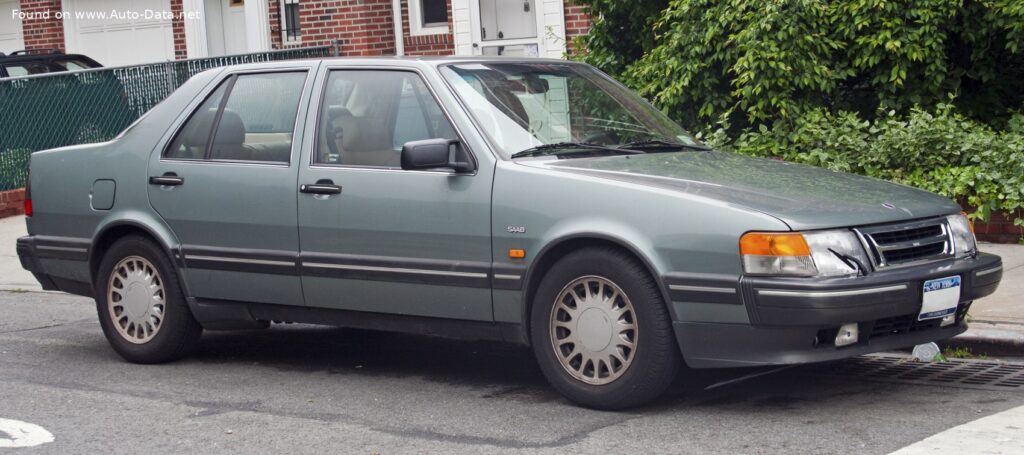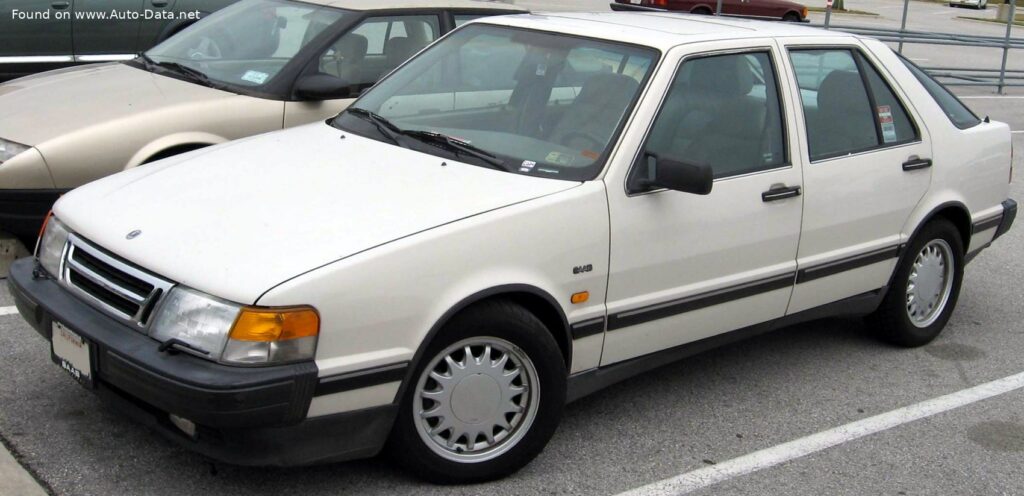
The Saab 9000, specifically the 2.0 16V hatchback produced between 1985 and 1988, represented a significant step forward for the Swedish automaker. Positioned as a larger, more sophisticated alternative to the Saab 900, the 9000 aimed to compete directly with executive cars from German manufacturers like BMW and Mercedes-Benz, while retaining Saab’s commitment to innovative design and safety. This generation of the 9000, the hatchback, offered a practical and stylish body style that appealed to families and those seeking a versatile vehicle. While Saab never achieved the same sales volume as its German rivals, the 9000 established a loyal following and cemented the brand’s reputation for individuality and engineering excellence. The 2.0 16V variant, producing 125 horsepower, was a popular choice, balancing performance with fuel efficiency.
Saab 9000: A Legacy of Scandinavian Design
The Saab 9000 was a pivotal model for Saab, marking a transition from the smaller, more utilitarian designs of the past to a more modern and upscale offering. Developed under the codename ‘Project Y’, the 9000 was the first all-new Saab model in over a decade. It was designed to address criticisms of the 900, which was beginning to feel dated by the mid-1980s. The hatchback body style, while not initially planned as the lead variant, proved popular due to its practicality and spaciousness. The 9000’s design incorporated aerodynamic principles, resulting in a relatively low drag coefficient for the era, contributing to improved fuel economy and stability. Saab’s commitment to safety was also paramount, and the 9000 featured a robust safety cell and advanced crumple zones.
Engine & Performance
The heart of the Saab 9000 2.0 16V was the B202 engine, a naturally aspirated, inline-four cylinder gasoline engine. Displacing 2.0 liters (1985cc), this engine utilized a belt-driven double overhead camshaft (DOHC) design with four valves per cylinder – hence the “16V” designation. This configuration allowed for improved breathing and higher engine speeds compared to earlier Saab engines. The B202 produced 125 horsepower (93 kW) and offered a reasonable amount of torque for its displacement. While not a performance powerhouse by modern standards, the engine provided adequate power for comfortable cruising and overtaking. The engine was typically paired with a four-speed manual or a four-speed automatic transmission. Performance figures for the 1985-1988 2.0 16V hatchback are estimated to include a 0-60 mph time of around 9.5 to 10.5 seconds, with a top speed of approximately 115 mph (185 km/h). The engine’s relatively simple design and robust construction contributed to its reliability, although regular maintenance was essential, particularly regarding the timing belt.
Design & Features
The Saab 9000 hatchback distinguished itself with its distinctive styling, characterized by a wedge-shaped profile, a sloping rear hatch, and a relatively upright front end. The car’s aerodynamic design was evident in its smooth lines and integrated spoilers. Inside, the 9000 offered a spacious and comfortable cabin for five passengers. The dashboard was ergonomically designed, with controls logically arranged and easily accessible. Saab was known for its attention to driver comfort, and the 9000 featured supportive seats and a well-designed ventilation system. Safety features were a key selling point, including a reinforced safety cage, side impact protection, and anti-lock brakes (ABS) which became increasingly common during this production run. Other notable features included power windows, central locking, and a high-quality sound system. The hatchback configuration provided a generous cargo area, making the 9000 a practical choice for families and those needing to transport larger items. The interior trim levels varied, with higher-spec models offering leather upholstery and additional luxury features. The overall design philosophy prioritized functionality and driver engagement, reflecting Saab’s unique approach to automotive engineering.
Technical Specifications
| Brand | Saab |
| Model | 9000 |
| Generation | 9000 Hatchback |
| Type (Engine) | 2.0 16V (125 Hp) |
| Start of production | 1985 |
| End of production | 1988 |
| Powertrain Architecture | Internal Combustion engine |
| Body type | Hatchback |
| Seats | 5 |
| Doors | 5 |
| Fuel Type | Petrol (Gasoline) |
| Power | 125 Hp |
| Engine Model/Code | B202 |
| Engine aspiration | Naturally aspirated engine |
| Engine oil capacity | 4.2 l / 4.44 US qt / 3.7 UK qt |
| Coolant capacity | 9 l / 9.51 US qt / 7.92 UK qt |
| Fuel tank capacity | 66 l / 17.44 US gal / 14.52 UK gal |
The Saab 9000 2.0 16V hatchback, while not a mainstream success in terms of sales numbers, remains a fondly remembered vehicle for its unique blend of Scandinavian design, engineering innovation, and practicality. It represented a bold attempt by Saab to compete in the executive car segment and established a strong foundation for future models. The car’s enduring appeal lies in its individuality and its commitment to providing a distinctive driving experience. Today, well-maintained examples of the 9000 are sought after by enthusiasts who appreciate its classic styling and robust engineering. The 9000’s legacy continues to influence Saab’s design philosophy and its reputation for building cars that are different, yet undeniably appealing.