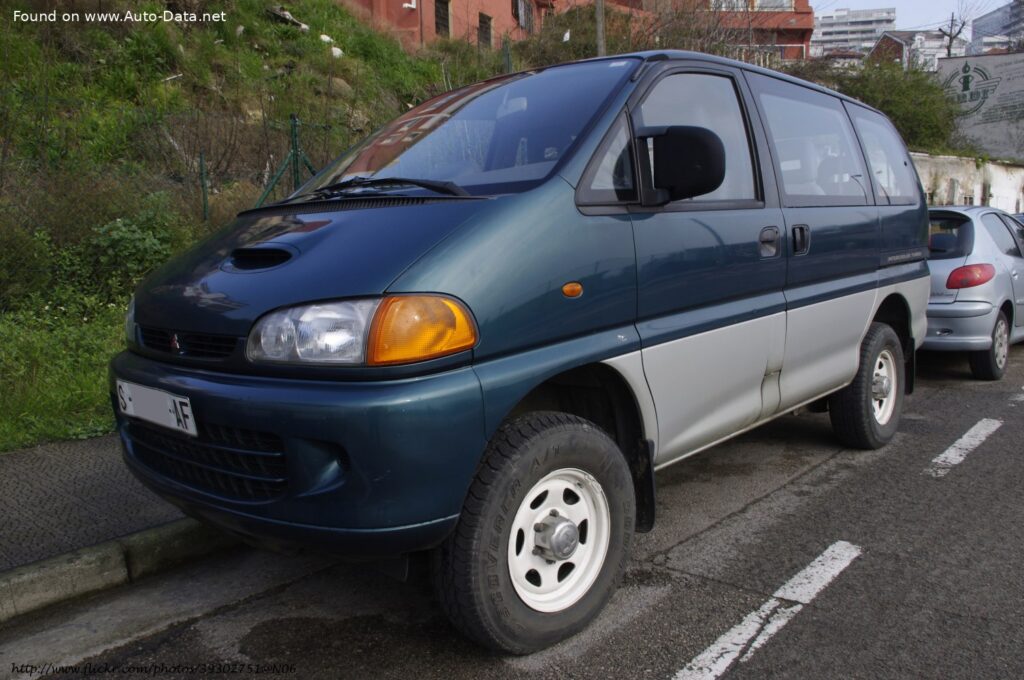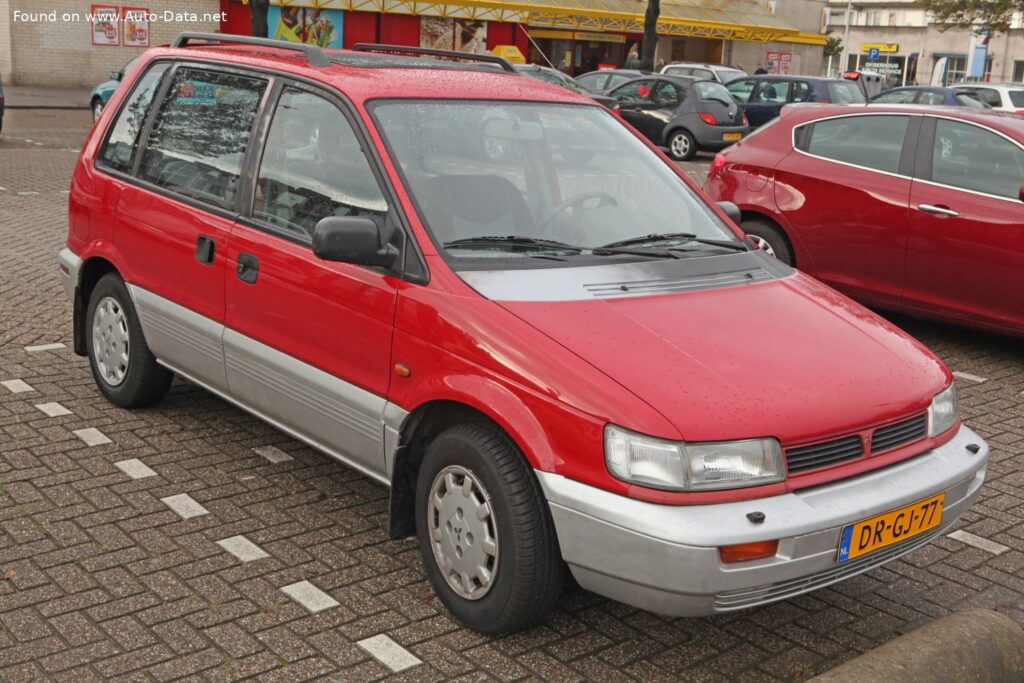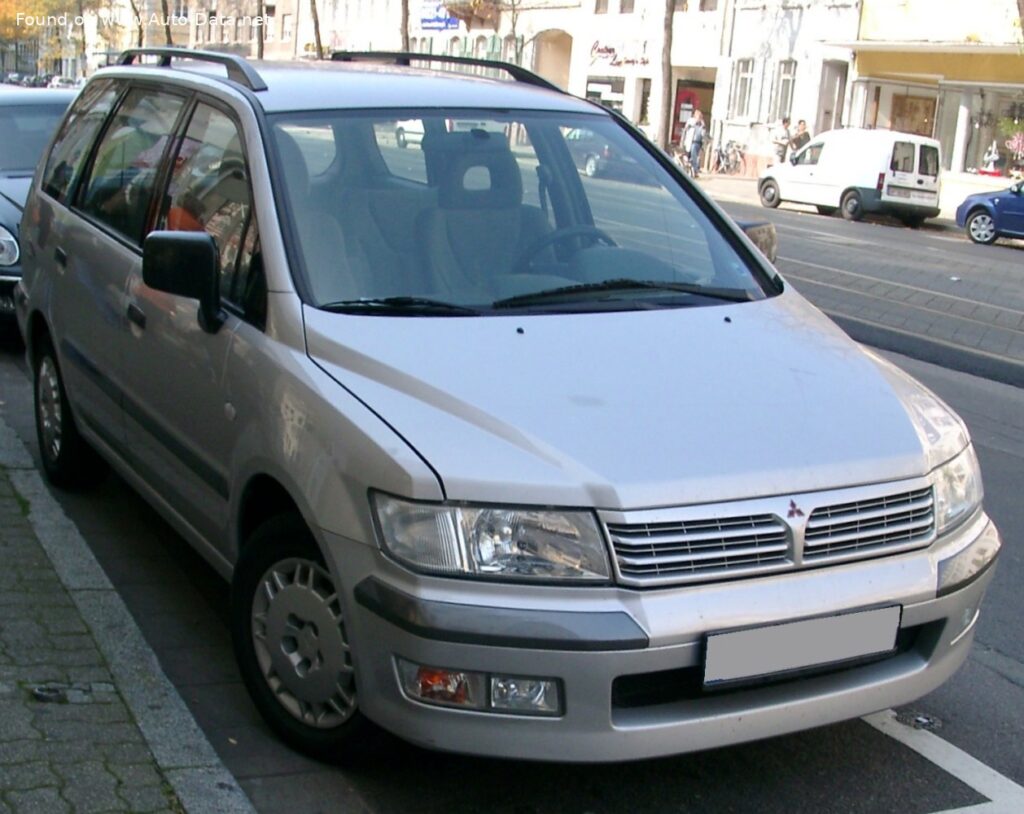
The Mitsubishi Space Wagon III 3.0 GDi 24V 4X4 (215 Hp), produced between 1998 and 2004, represents the third generation of Mitsubishi’s popular minivan. While not widely sold in the United States, the Space Wagon held a significant position in the European and Asian markets as a spacious and practical family vehicle. It competed with models like the Renault Espace, Volkswagen Sharan, and Toyota Previa, offering a blend of comfort, versatility, and, in this high-spec variant, respectable performance. The Space Wagon III aimed to provide a comfortable and functional transportation solution for families, emphasizing interior space and practicality over sporty handling.
Mitsubishi Space Wagon III: A Detailed Overview
The Space Wagon III was a key model in Mitsubishi’s lineup during the late 1990s and early 2000s, particularly in regions where minivans were highly favored. It built upon the success of its predecessors, offering increased space, improved refinement, and a more powerful engine option with the 3.0 GDi variant. The vehicle’s design focused on maximizing interior volume while maintaining a relatively compact exterior footprint, making it suitable for navigating both urban environments and longer highway journeys. The all-wheel-drive system further enhanced its appeal in regions with challenging weather conditions.
Engine & Performance
The heart of the Space Wagon III 3.0 GDi 24V 4X4 is a 2.972-liter (181.36 cubic inches) V6 engine. This naturally aspirated powerplant produces 215 horsepower at 5500 rpm and 299 Nm (220.53 lb.-ft.) of torque at 3250 rpm. The engine utilizes a direct injection (GDi) fuel system and a double overhead camshaft (DOHC) valvetrain with four valves per cylinder, contributing to its relatively high power output for its displacement – 72.3 horsepower per liter. Power is delivered to all four wheels via a four-speed automatic transmission, providing a balance of convenience and capability. The weight-to-power ratio of 8 kg/Hp and 125 Hp/tonne indicates a reasonably spirited performance for a minivan of its size. The weight-to-torque ratio of 5.8 kg/Nm and 173.8 Nm/tonne further suggests good responsiveness in everyday driving situations.
Design & Features
The Mitsubishi Space Wagon III is a five-door minivan with seating for five passengers. Its body style prioritizes practicality and space efficiency. The exterior design is functional rather than overtly stylish, reflecting the vehicle’s focus on utility. Key features include a spacious interior with flexible seating arrangements, allowing for a variety of cargo configurations. The trunk space ranges from a minimum of 240 liters (8.48 cubic feet) with all seats in place to a maximum of 1930 liters (68.16 cubic feet) with the rear seats folded down. Safety features, while not as advanced as those found in modern vehicles, included an Anti-lock Braking System (ABS) as standard equipment. The vehicle’s suspension utilizes a wishbone setup at the front and coil springs at the rear, providing a comfortable ride quality. Hydraulic power steering ensures ease of maneuverability. The Space Wagon III’s interior was designed with family needs in mind, offering durable materials and a practical layout.
Technical Specifications
| Brand | Mitsubishi |
| Model | Space Wagon |
| Generation | Space Wagon III |
| Type | 3.0 GDi 24V 4X4 (215 Hp) |
| Start of production | 1998 |
| End of production | 2004 |
| Powertrain Architecture | Internal Combustion engine |
| Body type | Minivan |
| Seats | 5 |
| Doors | 5 |
| Fuel Type | Petrol (Gasoline) |
| Weight-to-power ratio | 8 kg/Hp |
| Weight-to-torque ratio | 5.8 kg/Nm |
| Power | 215 Hp @ 5500 rpm |
| Power per litre | 72.3 Hp/l |
| Torque | 299 Nm @ 3250 rpm / 220.53 lb.-ft. @ 3250 rpm |
| Engine layout | Front, Transverse |
| Engine displacement | 2972 cm3 / 181.36 cu. in. |
| Number of cylinders | 6 |
| Engine configuration | V-engine |
| Cylinder Bore | 91.1 mm / 3.59 in. |
| Piston Stroke | 76 mm / 2.99 in. |
| Compression ratio | 10.5:1 |
| Number of valves per cylinder | 4 |
| Fuel injection system | Direct injection |
| Engine aspiration | Naturally aspirated engine |
| Valvetrain | DOHC |
| Kerb Weight | 1720 kg / 3791.95 lbs |
| Trunk (boot) space – minimum | 240 l / 8.48 cu. ft. |
| Trunk (boot) space – maximum | 1930 l / 68.16 cu. ft. |
| Fuel tank capacity | 58 l / 15.32 US gal | 12.76 UK gal |
| Length | 4600 mm / 181.1 in. |
| Width | 1775 mm / 69.88 in. |
| Height | 1690 mm / 66.54 in. |
| Wheelbase | 2780 mm / 109.45 in. |
| Front track | 1500 mm / 59.06 in. |
| Rear (Back) track | 1535 mm / 60.43 in. |
| Drivetrain Architecture | All wheel drive (4×4). ICE drives all four wheels. |
| Drive wheel | All wheel drive (4×4) |
| Number of gears and type of gearbox | 4 gears, automatic transmission |
| Front suspension | Wishbone |
| Rear suspension | Coil spring |
| Front brakes | Ventilated discs |
| Rear brakes | Disc |
| Assisting systems | ABS (Anti-lock braking system) |
| Steering type | Steering rack and pinion |
| Power steering | Hydraulic Steering |
| Tires size | 205/65 R15 |
The Mitsubishi Space Wagon III 3.0 GDi 24V 4X4 offered a compelling package for families seeking a spacious, practical, and relatively well-equipped minivan. While not a performance vehicle, its V6 engine provided adequate power for comfortable cruising and everyday driving. Its all-wheel-drive system added a layer of security and capability, making it a suitable choice for a variety of driving conditions. Though largely absent from the North American market, the Space Wagon remains a notable example of Mitsubishi’s engineering prowess and its commitment to providing versatile transportation solutions.