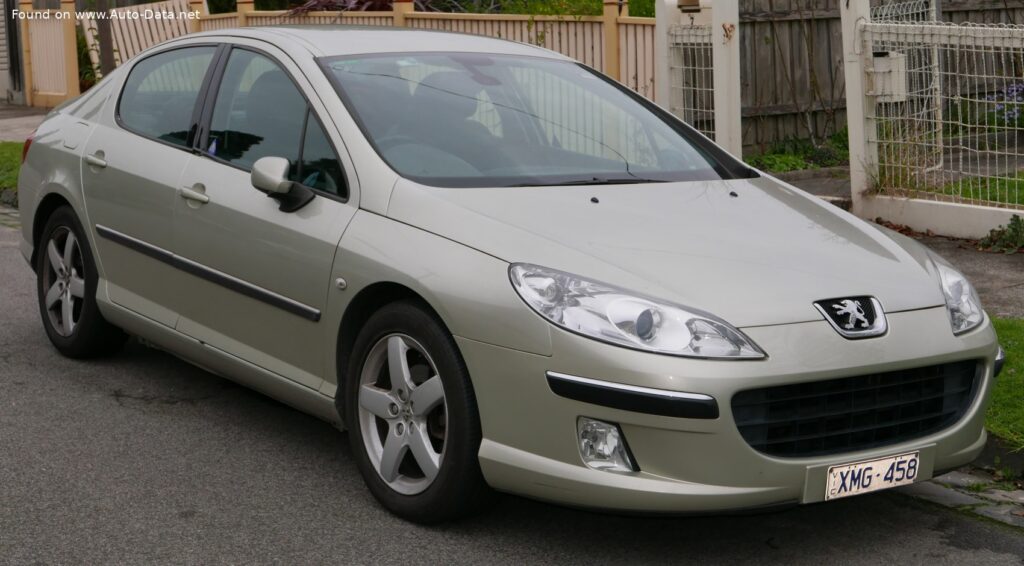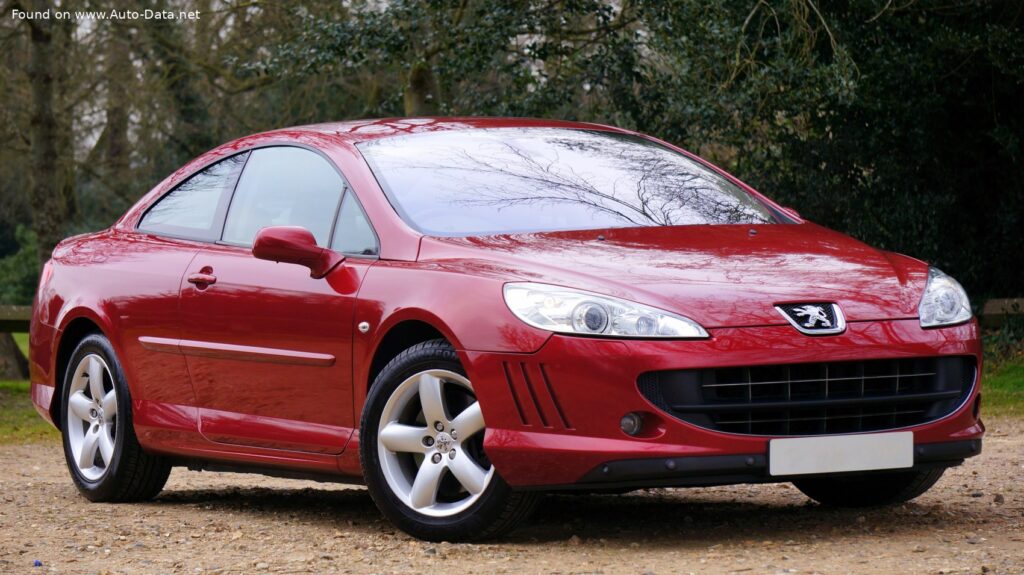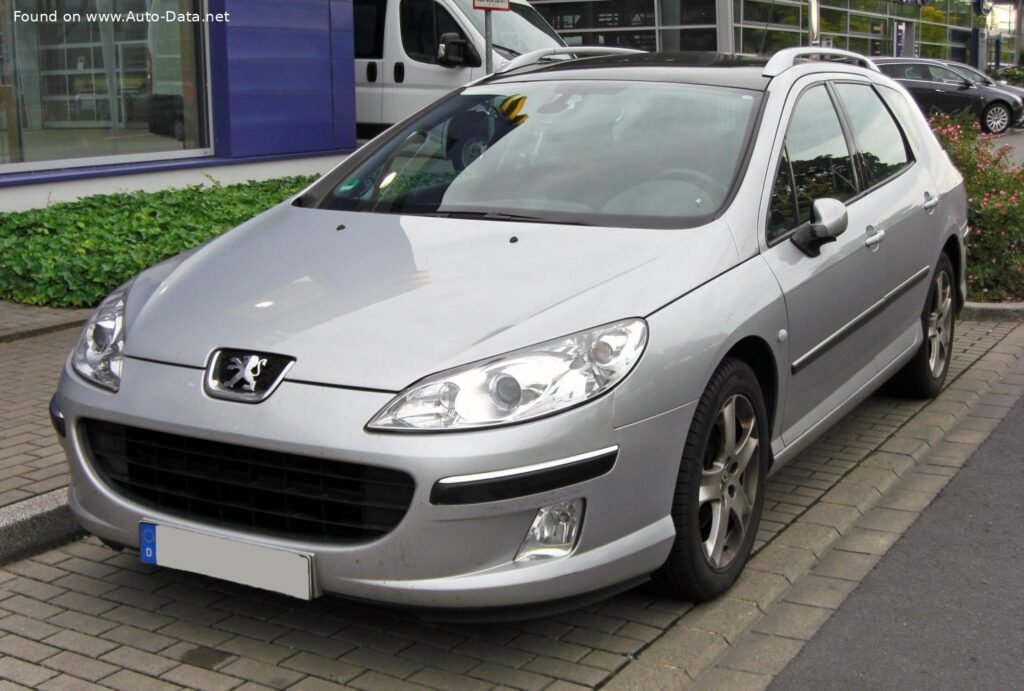
The Peugeot 407 SW 2.0i 16V Automatic, produced between 2006 and 2008, represents Peugeot’s entry into the competitive D-segment of station wagons (estate cars) in Europe. Positioned as a practical and stylish alternative to traditional sedans, the 407 SW offered increased cargo capacity and versatility without sacrificing the comfort and refinement expected of a modern family vehicle. While not officially sold in the United States, the 407 SW was a significant model for Peugeot, showcasing their design language and engineering capabilities in the European market. It aimed to appeal to buyers needing space and practicality, but who didn’t want to compromise on driving experience or aesthetics.
The Peugeot 407 SW: A Detailed Overview
The 407 SW is part of the broader 407 range, which replaced the Peugeot 406. The “SW” designation specifically denotes the station wagon body style. The 2.0i 16V variant, equipped with a four-cylinder gasoline engine and a four-speed automatic transmission, was a popular choice for its balance of performance and fuel economy. The 407 SW competed with vehicles like the Ford Mondeo Estate, Volkswagen Passat Variant, and Renault Laguna Estate, all vying for market share in the European family car segment.
Engine & Performance
The heart of the Peugeot 407 SW 2.0i 16V is a 1,997 cc (121.86 cubic inches) inline-four cylinder gasoline engine. This naturally aspirated engine produces 136 horsepower at 6000 rpm and 190 Nm (140.14 lb.-ft.) of torque at 4100 rpm. The engine utilizes a multi-port fuel injection system and a compression ratio of 10.8:1. While not a high-performance engine, it provides adequate power for everyday driving and cruising. The four-speed automatic transmission delivers smooth, if not particularly rapid, gear changes. Acceleration from 0 to 100 km/h (0-62 mph) takes 12.8 seconds, and 0 to 60 mph is achieved in approximately 12.2 seconds. The vehicle has a maximum speed of 201 km/h (124.9 mph). The engine’s power-to-weight ratio is 92.5 horsepower per tonne, and the torque-to-weight ratio is 129.3 Nm per tonne. Fuel economy is rated at 8.7 liters per 100 kilometers (27 US mpg combined), with figures of 12.7 l/100km (18.5 US mpg) in urban driving and 6.4 l/100km (36.8 US mpg) on the open road.
Design & Features
The Peugeot 407 SW boasts a sleek and modern design, characteristic of early 21st-century European automotive styling. Its station wagon body style provides a generous 489 liters (17.27 cubic feet) of trunk space, expandable with the rear seats folded down. The vehicle seats five passengers comfortably and features five doors for easy access. The 407 SW prioritizes practicality and comfort. Standard features typically included air conditioning, power windows, central locking, and an audio system. Safety features, important for family vehicles, included ABS (Anti-lock Braking System) and front ventilated disc brakes, with disc brakes on the rear. The suspension utilizes a spring strut setup for both the front and rear axles, providing a comfortable ride. The steering system is a rack and pinion type. The vehicle rides on 205/60 R16 tires mounted on 6.5 x 16 inch wheel rims.
Technical Specifications
| Brand | Peugeot |
| Model | 407 |
| Generation | 407 SW |
| Type (Engine) | 2.0i 16V (136 Hp) Automatic |
| Start of production | 2006 |
| End of production | 2008 |
| Powertrain Architecture | Internal Combustion engine |
| Body type | Station wagon (estate) |
| Seats | 5 |
| Doors | 5 |
| Fuel consumption (urban) | 12.7 l/100 km (18.5 US mpg) |
| Fuel consumption (extra urban) | 6.4 l/100 km (36.8 US mpg) |
| Fuel consumption (combined) | 8.7 l/100 km (27 US mpg) |
| Fuel Type | Petrol (Gasoline) |
| Acceleration 0 – 100 km/h | 12.8 sec |
| Acceleration 0 – 62 mph | 12.8 sec |
| Acceleration 0 – 60 mph | 12.2 sec |
| Maximum speed | 201 km/h (124.9 mph) |
| Weight-to-power ratio | 10.8 kg/Hp |
| Weight-to-torque ratio | 7.7 kg/Nm |
| Power | 136 Hp @ 6000 rpm |
| Torque | 190 Nm @ 4100 rpm (140.14 lb.-ft. @ 4100 rpm) |
| Engine layout | Front, Transverse |
| Engine Model/Code | RFN EW10J4 |
| Engine displacement | 1997 cm3 (121.86 cu. in.) |
| Number of cylinders | 4 |
| Engine configuration | Inline |
| Cylinder Bore | 85 mm (3.35 in.) |
| Piston Stroke | 88 mm (3.46 in.) |
| Compression ratio | 10.8:1 |
| Number of valves per cylinder | 4 |
| Fuel injection system | Multi-port manifold injection |
| Engine oil capacity | 4.25 l (4.49 US qt | 3.74 UK qt) |
| Coolant capacity | 8.1 l (8.56 US qt | 7.13 UK qt) |
| Kerb Weight | 1470 kg (3240.8 lbs.) |
| Max. weight | 2105 kg (4640.73 lbs.) |
| Max load | 635 kg (1399.94 lbs.) |
| Trunk (boot) space – minimum | 489 l (17.27 cu. ft.) |
| Fuel tank capacity | 66 l (17.44 US gal | 14.52 UK gal) |
| Length | 4763 mm (187.52 in.) |
| Width | 1811 mm (71.3 in.) |
| Height | 1486 mm (58.5 in.) |
| Wheelbase | 2725 mm (107.28 in.) |
| Front track | 1554 mm (61.18 in.) |
| Rear track | 1510 mm (59.45 in.) |
| Drivetrain Architecture | Front wheel drive |
| Number of gears | 4 |
| Gearbox type | Automatic transmission |
The Peugeot 407 SW 2.0i 16V Automatic, while not a groundbreaking vehicle, offered a compelling package of practicality, comfort, and style for European buyers. Its blend of features and reasonable running costs made it a popular choice in a competitive segment. Although never officially available in the US market, it represents a significant example of Peugeot’s engineering and design philosophy during the mid-2000s.