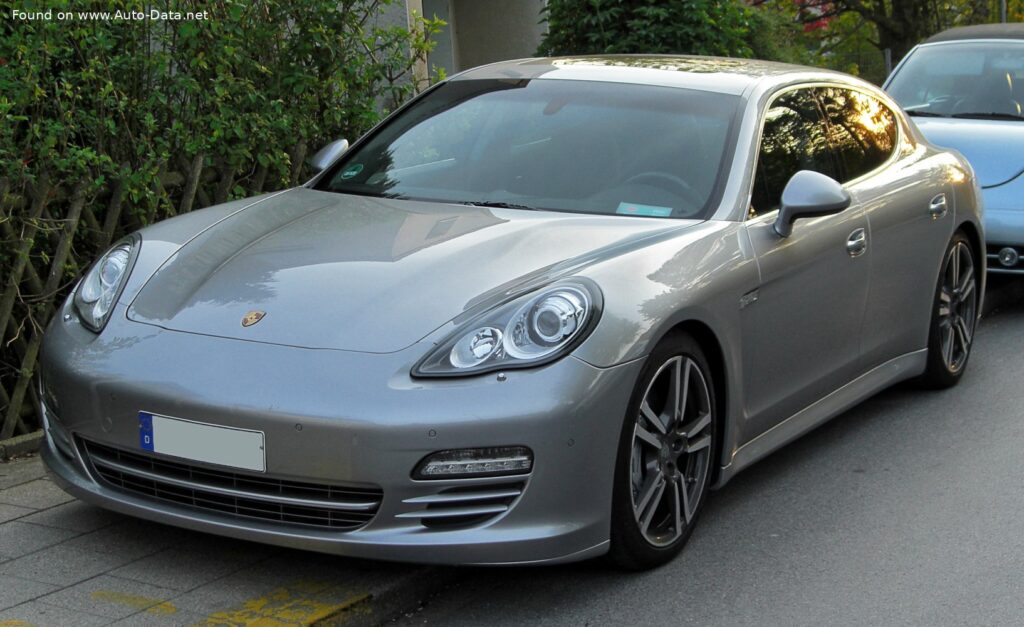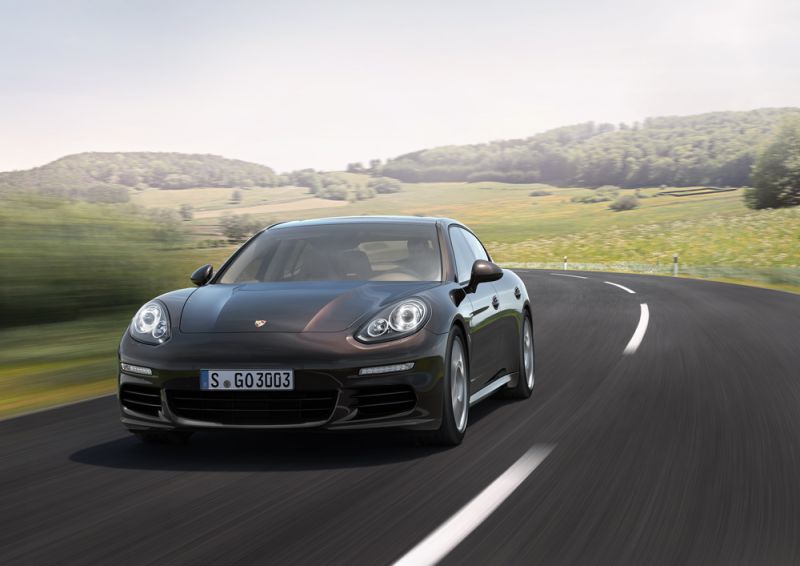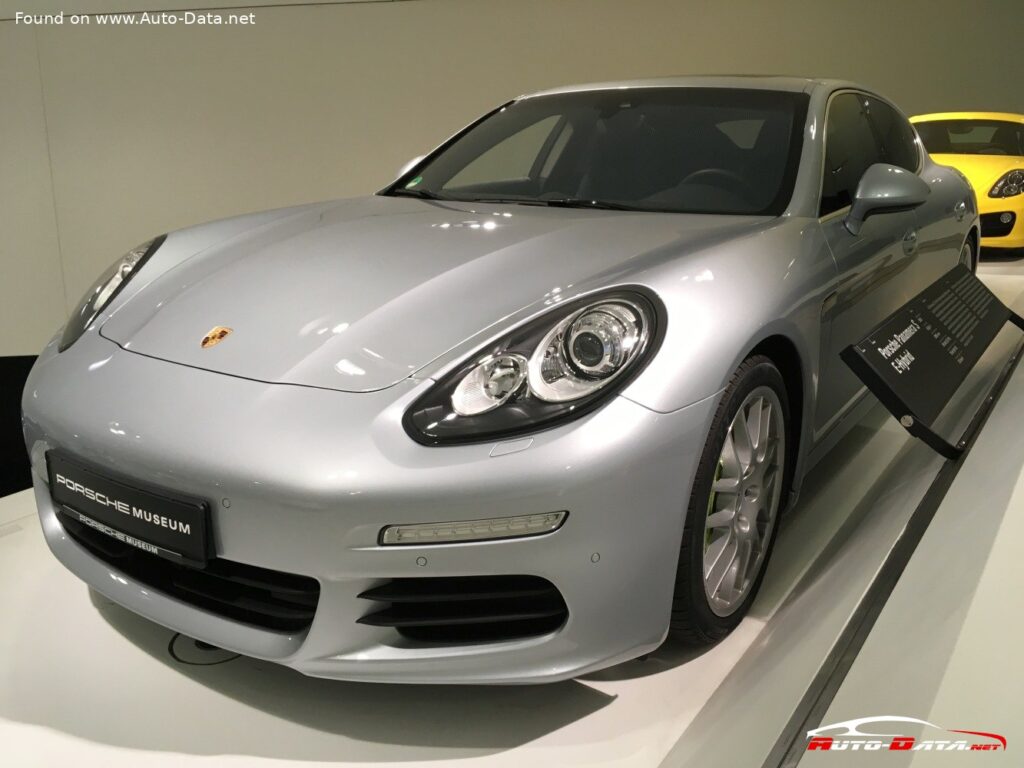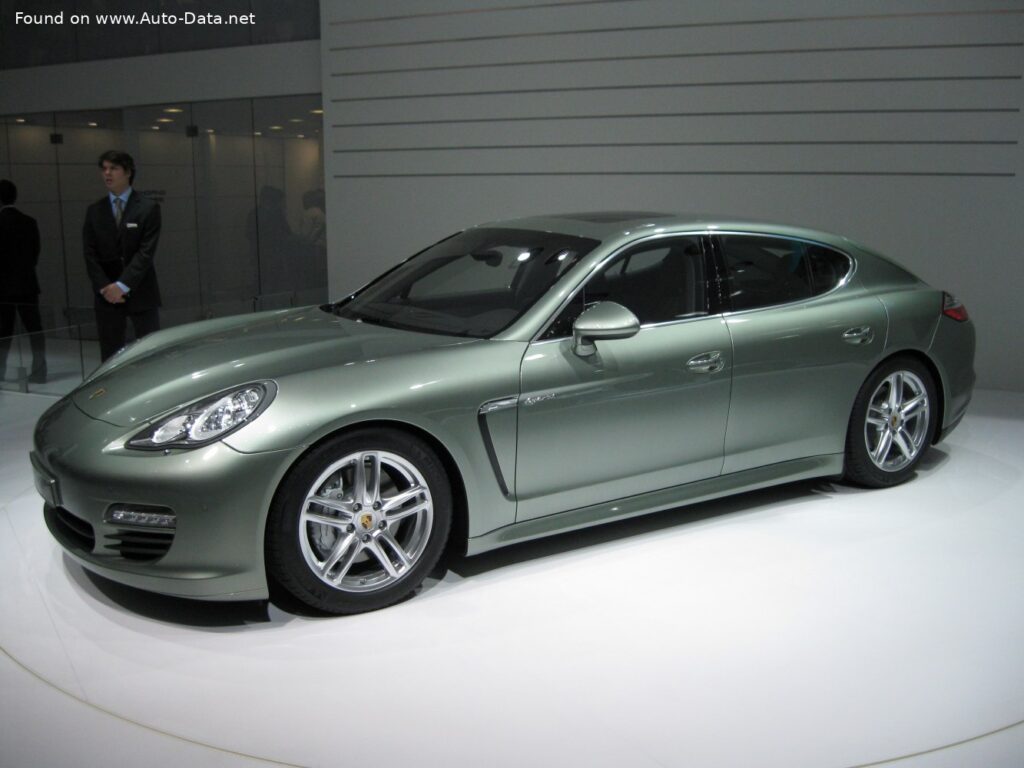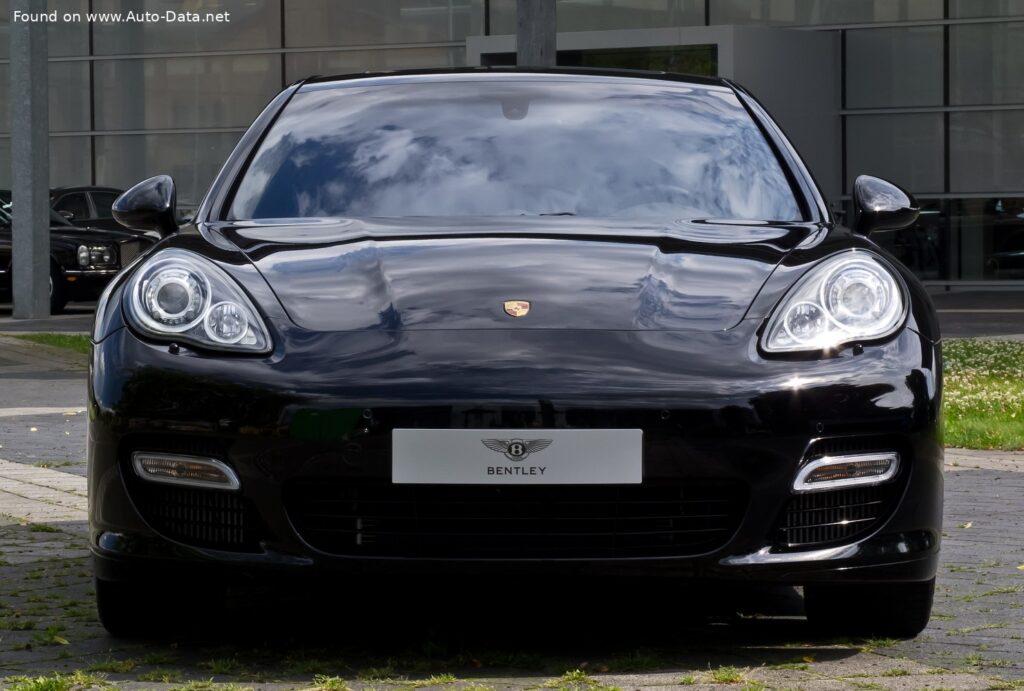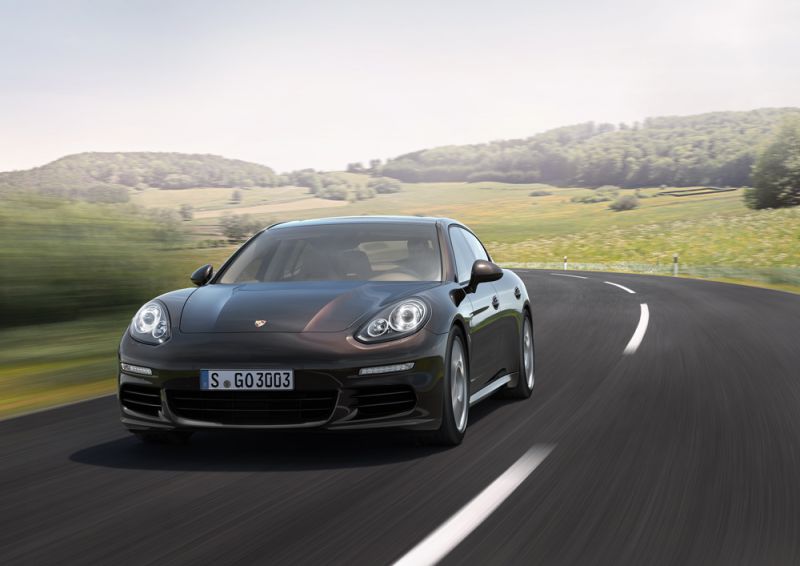
The Porsche Panamera (G1 II) Turbo, produced between 2013 and 2016, represents a significant evolution of Porsche’s foray into the luxury performance sedan market. As the second generation of the Panamera, this model refined the original’s controversial styling and focused on enhancing driving dynamics and technological sophistication. Positioned as a direct competitor to vehicles like the Mercedes-Benz S-Class and BMW 7 Series, the Panamera Turbo offered a unique blend of Porsche’s sports car heritage with the practicality of a four-door liftback. This generation aimed to broaden the Panamera’s appeal, attracting buyers seeking both exhilarating performance and luxurious comfort.
Porsche Panamera (G1 II) Turbo: A Detailed Overview
The G1 II generation Panamera introduced substantial improvements over its predecessor. These included revised styling, a more refined interior, and a host of new technologies designed to improve both performance and efficiency. The Turbo model, equipped with its potent 4.8-liter twin-turbocharged V8 engine, stood at the pinnacle of the Panamera range, delivering exceptional acceleration and a thrilling driving experience. The liftback body style continued to be a defining feature, offering a unique combination of coupe-like aesthetics and the practicality of a large trunk opening.
Engine & Performance
At the heart of the Panamera Turbo lies a 4.8-liter, twin-turbocharged V8 engine, designated the CWBA. This powerplant generates a formidable 520 horsepower at 6000 rpm and 700 Nm (516.29 lb.-ft.) of torque available from a low 2250 to 4500 rpm. This broad torque curve, coupled with Porsche’s seven-speed PDK (Porsche Doppelkupplung) dual-clutch transmission, allows for incredibly rapid acceleration. Officially, the 0-62 mph (0-100 km/h) sprint takes just 4.1 seconds, while independent testing has recorded a 0-60 mph time of 3.9 seconds. The engine’s direct injection system and bi-turbocharging contribute to both its power output and its relatively efficient operation for a vehicle of this performance caliber. The engine produces 108.2 horsepower per liter, showcasing its impressive engineering. Maximum speed is electronically limited to 305 km/h (189.52 mph). The engine is longitudinally mounted at the front of the vehicle, driving all four wheels through Porsche’s advanced all-wheel-drive system.
Design & Features
The Panamera Turbo retains the distinctive liftback design that sets it apart from traditional sedans. This body style provides both elegant proportions and exceptional practicality, offering a large and versatile cargo area. The 2013-2016 model year saw refinements to the exterior styling, with subtle changes to the front and rear fascias, headlights, and taillights. Inside, the cabin is appointed with high-quality materials, including leather upholstery, wood trim, and aluminum accents. The Panamera Turbo comes standard with a comprehensive suite of features, including a premium sound system, navigation system, and a host of driver-assistance technologies. Safety features are paramount, with ABS, traction control, and a suite of airbags providing a high level of occupant protection. The vehicle’s dimensions – 5015 mm (197.44 in) in length, 1931 mm (76.02 in) in width, and 1418 mm (55.83 in) in height – provide ample space for both passengers and cargo. The wheelbase measures 2920 mm (114.96 in), contributing to a comfortable ride and stable handling.
Technical Specifications
| Brand | Porsche |
| Model | Panamera |
| Generation | Panamera (G1 II) |
| Type (Engine) | Turbo 4.8 V8 (520 Hp) PDK |
| Start of production | 2013 |
| End of production | 2016 |
| Powertrain Architecture | Internal Combustion engine |
| Body type | Liftback |
| Seats | 4 |
| Doors | 5 |
| Fuel consumption (urban) | 14.7 l/100 km (16 US mpg, 19.2 UK mpg, 6.8 km/l) |
| Fuel consumption (extra urban) | 7.7 l/100 km (30.5 US mpg, 36.7 UK mpg, 13 km/l) |
| Fuel consumption (combined) | 10.2 l/100 km (23.1 US mpg, 27.7 UK mpg, 9.8 km/l) |
| CO2 emissions | 239 g/km |
| Fuel Type | Petrol (Gasoline) |
| Acceleration 0 – 100 km/h | 4.1 sec |
| Acceleration 0 – 62 mph | 4.1 sec |
| Acceleration 0 – 60 mph | 3.9 sec |
| Maximum speed | 305 km/h (189.52 mph) |
| Emission standard | Euro 5 |
| Weight-to-power ratio | 3.8 kg/Hp, 264 Hp/tonne |
| Weight-to-torque ratio | 2.8 kg/Nm, 355.3 Nm/tonne |
| Power | 520 Hp @ 6000 rpm |
| Power per litre | 108.2 Hp/l |
| Torque | 700 Nm @ 2250-4500 rpm (516.29 lb.-ft. @ 2250-4500 rpm) |
| Engine layout | Front, Longitudinal |
| Engine Model/Code | CWBA |
| Engine displacement | 4806 cm3 (293.28 cu. in.) |
| Number of cylinders | 8 |
| Engine configuration | V-engine |
| Cylinder Bore | 96 mm (3.78 in.) |
| Piston Stroke | 83 mm (3.27 in.) |
| Compression ratio | 10.5:1 |
| Number of valves per cylinder | 4 |
| Fuel injection system | Direct injection |
| Engine aspiration | BiTurbo, Intercooler |
| Engine oil capacity | 9 l (9.51 US qt | 7.92 UK qt) |
| Kerb Weight | 1970 kg (4343.11 lbs.) |
| Max. weight | 2500 kg (5511.56 lbs.) |
| Max load | 530 kg (1168.45 lbs.) |
| Trunk (boot) space – minimum | 432 l (15.26 cu. ft.) |
| Trunk (boot) space – maximum | 1250 l (44.14 cu. ft.) |
| Fuel tank capacity | 100 l (26.42 US gal | 22 UK gal) |
| Length | 5015 mm (197.44 in.) |
| Width | 1931 mm (76.02 in.) |
| Height | 1418 mm (55.83 in.) |
| Wheelbase | 2920 mm (114.96 in.) |
| Front track | 1656 mm (65.2 in.) |
| Rear (Back) track | 1646 mm (64.8 in.) |
| Drag coefficient (Cd) | 0.30 |
| Drive wheel | All wheel drive (4×4) |
| Number of gears and type of gearbox | 7 gears, automatic transmission PDK |
| Front suspension | Double wishbone |
| Rear suspension | Independent multi-link suspension |
| Front brakes | Ventilated discs |
| Rear brakes | Ventilated discs |
| Assisting systems | ABS (Anti-lock braking system) |
| Steering type | Steering rack and pinion |
| Tires size | Front wheel tires: 255/45 ZR19 Rear wheel tires: 285/40 ZR19 |
| Wheel rims size | Front wheel rims: 9J x 19 Rear wheel rims: 10J x 19 |