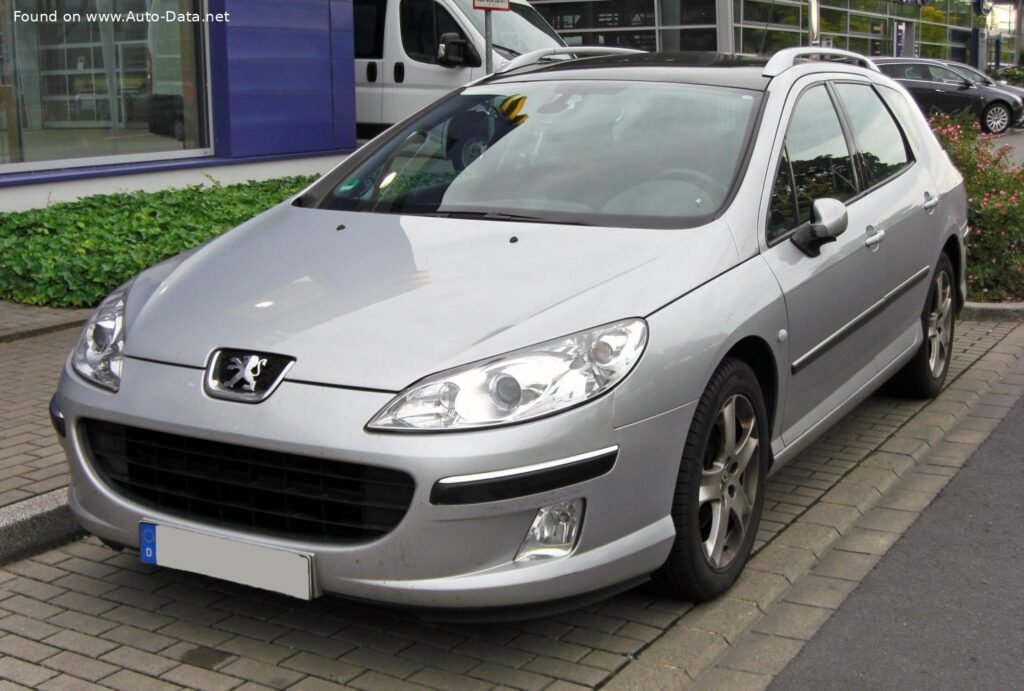
The Peugeot 407 SW 3.0i V6 24V, produced between 2006 and 2008, represents a significant offering from the French automaker in the mid-size station wagon segment. While not officially sold in the United States, the 407 SW (Station Wagon) was a popular choice in Europe, offering a blend of practicality, comfort, and a relatively sporty driving experience. It served as Peugeot’s competitor to vehicles like the Ford Mondeo Estate, Volkswagen Passat Variant, and Renault Laguna Estate, appealing to families and individuals needing ample cargo space without sacrificing style or performance.
The Peugeot 407 SW: A European Family Hauler
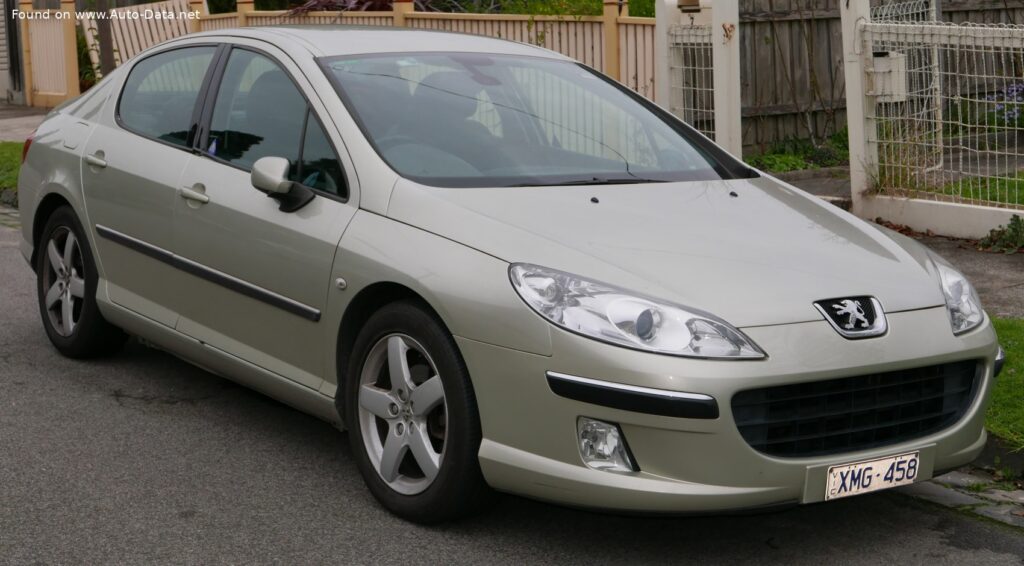
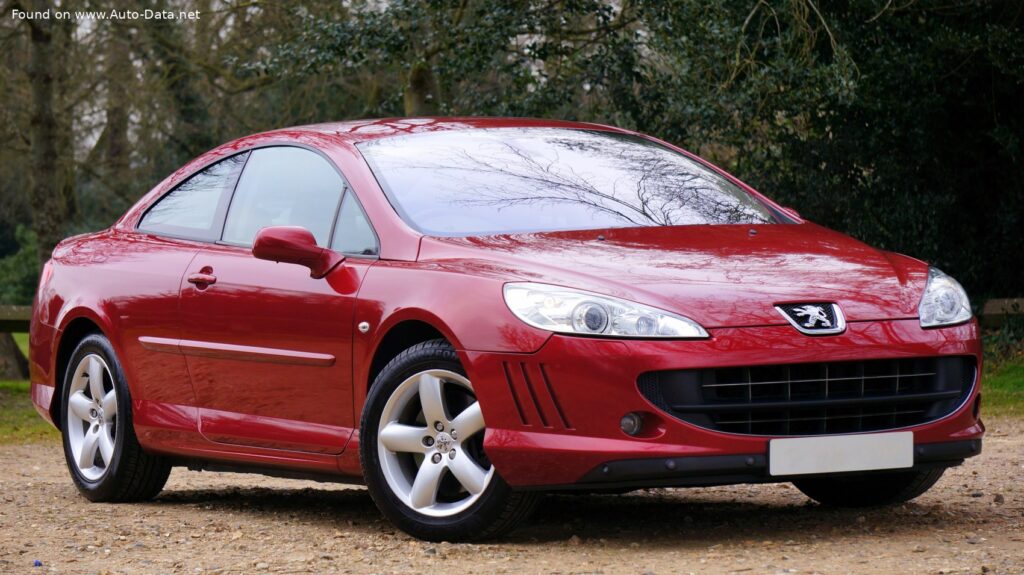
The 407 SW was part of Peugeot’s broader 407 lineup, which also included sedan and coupe body styles. The SW variant distinguished itself with its extended roofline and larger cargo area, making it a versatile vehicle for everyday use and longer journeys. The model aimed to provide a more premium feel compared to some of its competitors, with a focus on interior quality and available features. Its design language, penned by Pininfarina, was considered modern and attractive for its time, moving away from the more boxy station wagon designs of the past.
Engine & Performance
The 3.0i V6 24V engine is the heart of this particular 407 SW variant. This naturally aspirated 2.9-liter V6 produces 211 horsepower at 6000 rpm and 290 Nm (213.89 lb-ft) of torque at 3750 rpm. The engine, designated XFV ES9A, features a double overhead camshaft (DOHC) valvetrain and multi-port fuel injection. Power is delivered to the front wheels via a six-speed automatic transmission. This configuration allows for a 0-60 mph (0-96 km/h) acceleration time of approximately 9.1 seconds and a top speed of 142.29 mph (229 km/h). The engine’s power-to-weight ratio is a respectable 7.8 kg/Hp, and it delivers 71.6 horsepower per liter of displacement. Fuel economy, however, is a characteristic of the era and engine type, with combined consumption rated at 9.9 l/100 km (23.8 US mpg or 28.5 UK mpg).
Design & Features
The Peugeot 407 SW is a five-door, five-seat station wagon. Its exterior design features a sloping roofline that integrates seamlessly with the rear hatch, creating a visually appealing profile. The interior is designed with practicality and comfort in mind, offering ample space for passengers and cargo. The SW boasts a minimum trunk capacity of 489 liters (17.27 cu. ft.), expanding significantly with the rear seats folded down.
Safety features for the time included ABS (Anti-lock Braking System) and ventilated disc brakes on the front wheels, with disc brakes on the rear. The suspension utilizes a spring strut setup on both the front and rear axles, providing a balance between ride comfort and handling. Standard features typically included power windows, central locking, and air conditioning. Higher trim levels offered options such as leather upholstery, a premium audio system, and automatic climate control. The vehicle rides on 7J x 17 inch wheel rims with 215/55 R17 tires.
Technical Specifications
| Brand | Peugeot |
| Model | 407 |
| Generation | 407 SW |
| Type (Engine) | 3.0 i V6 24V (211 Hp) |
| Start of production | 2006 |
| End of production | 2008 |
| Powertrain Architecture | Internal Combustion engine |
| Body type | Station wagon (estate) |
| Seats | 5 |
| Doors | 5 |
| Fuel consumption (urban) | 14.6 l/100 km (16.1 US mpg, 19.3 UK mpg) |
| Fuel consumption (extra urban) | 7.1 l/100 km (33.1 US mpg, 39.8 UK mpg) |
| Fuel consumption (combined) | 9.9 l/100 km (23.8 US mpg, 28.5 UK mpg) |
| Fuel Type | Petrol (Gasoline) |
| Acceleration 0 – 100 km/h | 9.6 sec |
| Acceleration 0 – 62 mph | 9.6 sec |
| Acceleration 0 – 60 mph | 9.1 sec |
| Maximum speed | 229 km/h (142.29 mph) |
| Weight-to-power ratio | 7.8 kg/Hp |
| Weight-to-torque ratio | 5.7 kg/Nm |
| Power | 211 Hp @ 6000 rpm |
| Torque | 290 Nm @ 3750 rpm (213.89 lb.-ft. @ 3750 rpm) |
| Engine layout | Front, Transverse |
| Engine Model/Code | XFV ES9A |
| Engine displacement | 2946 cm3 (179.78 cu. in.) |
| Number of cylinders | 6 |
| Engine configuration | V-engine |
| Cylinder Bore | 87 mm (3.43 in.) |
| Piston Stroke | 82.6 mm (3.25 in.) |
| Compression ratio | 10.9:1 |
| Number of valves per cylinder | 4 |
| Fuel injection system | Multi-port manifold injection |
| Engine aspiration | Naturally aspirated engine |
| Valvetrain | DOHC |
| Engine oil capacity | 4.75 l (5.02 US qt | 4.18 UK qt) |
| Coolant capacity | 9.8 l (10.36 US qt | 8.62 UK qt) |
| Kerb Weight | 1640 kg (3615.58 lbs.) |
| Max. weight | 2260 kg (4982.45 lbs.) |
| Max load | 620 kg (1366.87 lbs.) |
| Trunk (boot) space – minimum | 489 l (17.27 cu. ft.) |
| Fuel tank capacity | 66 l (17.44 US gal | 14.52 UK gal) |
| Length | 4763 mm (187.52 in.) |
| Width | 1811 mm (71.3 in.) |
| Height | 1486 mm (58.5 in.) |
| Wheelbase | 2725 mm (107.28 in.) |
| Front track | 1554 mm (61.18 in.) |
| Rear track | 1510 mm (59.45 in.) |
| Drivetrain Architecture | Front wheel drive |
| Number of gears | 6 |
| Gearbox type | Automatic transmission |
The Peugeot 407 SW 3.0i V6 24V offered a compelling package for European buyers seeking a practical, stylish, and reasonably powerful station wagon. While it never reached American shores, it remains a noteworthy example of Peugeot’s engineering and design capabilities during the mid-2000s.