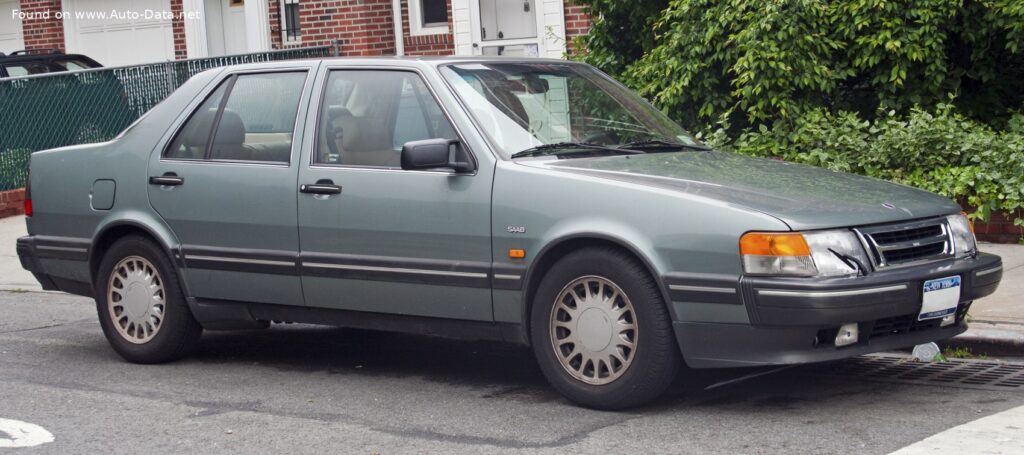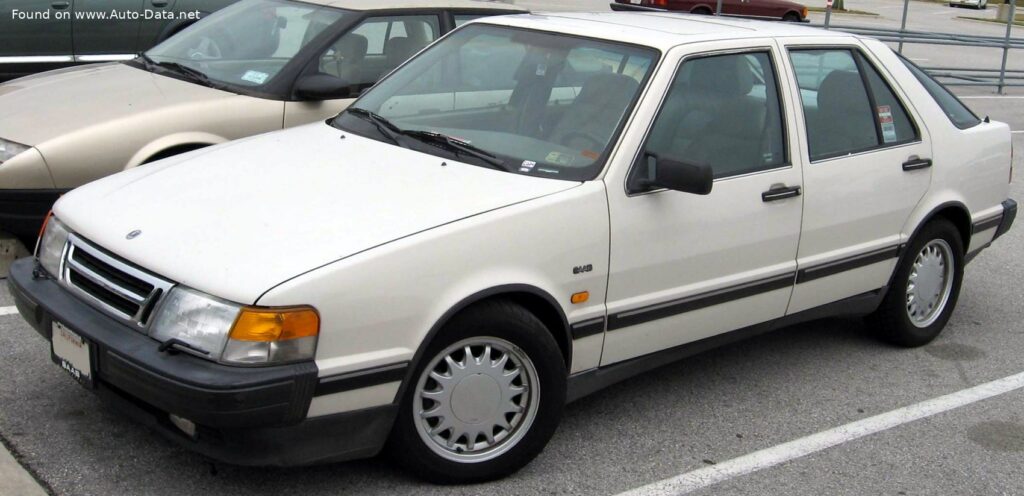
The Saab 9000 Hatchback 2.0 16V Turbo, produced from 1988 to 1993, represents a significant evolution in Saab’s model lineup. Positioned as a larger, more sophisticated alternative to the earlier 900, the 9000 aimed to compete directly with executive hatchbacks and sedans from European manufacturers like BMW, Audi, and Volvo. While Saab never achieved the same sales volumes as its German rivals, the 9000 established a reputation for innovative engineering, robust safety features, and a uniquely Scandinavian design philosophy. The 2.0 16V Turbo variant, producing 163 horsepower, was a popular choice, offering a compelling blend of performance and fuel efficiency for the era. The 9000 was never officially sold in the United States in this specific hatchback configuration; however, the 9000 sedan was available, catering to a niche market seeking a distinctive and technologically advanced vehicle.
The Saab 9000 Hatchback 2.0 16V Turbo: A Detailed Overview
The 9000 series was Saab’s attempt to move upmarket and offer a vehicle that could genuinely challenge the established premium brands. It was a departure from the more compact and quirky 900, embracing a more conventional, yet still distinctly Saab, aesthetic. The hatchback body style, while less common in the US market at the time, was popular in Europe, offering a practical combination of passenger space and cargo versatility. The 2.0 16V Turbo engine was a key component of the 9000’s appeal, providing strong acceleration and a refined driving experience. Saab’s commitment to safety was also a defining characteristic of the 9000, incorporating numerous features designed to protect occupants in the event of a collision.
Engine & Performance
The heart of the Saab 9000 Hatchback 2.0 16V Turbo is the B202 engine, a 2.0-liter inline-four cylinder powerplant. This engine is notable for its use of a turbocharger and a 16-valve cylinder head, which significantly enhance its power output. Producing 163 horsepower, the B202 delivers a respectable level of performance for its time, allowing for brisk acceleration and comfortable highway cruising. The turbocharger provides a noticeable boost in power, particularly at higher engine speeds. The engine is paired with either a four-speed automatic transmission or a five-speed manual transmission, allowing drivers to choose the transmission that best suits their preferences. Fuel injection is electronically controlled, contributing to improved fuel efficiency and reduced emissions. The engine’s design prioritized reliability and durability, making it a robust and long-lasting unit. While not a sports car, the 9000 2.0 16V Turbo offered a refined and engaging driving experience, characterized by smooth power delivery and responsive handling. The turbocharger, while enhancing performance, also necessitated an intercooler to cool the intake air, maximizing efficiency and preventing engine knock.
Design & Features
The Saab 9000 Hatchback’s design is a product of its time, blending aerodynamic principles with Saab’s signature styling cues. The hatchback body style provides a generous amount of cargo space, making it a practical choice for families and those who frequently transport larger items. The car’s exterior is characterized by clean lines, a sloping roofline, and a distinctive front grille. Inside, the 9000 offers a comfortable and well-appointed cabin. The seats are supportive and ergonomically designed, providing excellent comfort on long journeys. The dashboard is logically laid out, with all essential controls within easy reach of the driver. Safety was a paramount concern for Saab, and the 9000 incorporates a number of advanced safety features for its era, including anti-lock brakes (ABS), side impact protection, and a reinforced safety cage. The car also features a comprehensive ventilation system, ensuring a comfortable cabin temperature in all conditions. Other notable features include power windows, central locking, and a high-quality audio system. The overall design philosophy prioritized functionality and user-friendliness, reflecting Saab’s commitment to creating vehicles that are a pleasure to own and drive. The large glass area also contributed to excellent visibility for the driver.
Technical Specifications
| Brand | Saab |
| Model | 9000 |
| Generation | 9000 Hatchback |
| Type (Engine) | 2.0 16V Turbo (163 Hp) |
| Start of production | 1988 |
| End of production | 1993 |
| Powertrain Architecture | Internal Combustion engine |
| Body type | Hatchback |
| Seats | 5 |
| Doors | 5 |
| Fuel Type | Petrol (Gasoline) |
| Power | 163 Hp |
| Engine Model/Code | B202 |
| Engine aspiration | Turbocharger |
| Engine oil capacity | 4.2 l / 4.44 US qt | 3.7 UK qt |
| Coolant capacity | 9 l / 9.51 US qt | 7.92 UK qt |
| Fuel tank capacity | 66 l / 17.44 US gal | 14.52 UK gal |
The Saab 9000 Hatchback 2.0 16V Turbo, while not a mainstream success in all markets, remains a fondly remembered vehicle among Saab enthusiasts. Its combination of innovative engineering, robust safety features, and distinctive styling set it apart from its competitors. The B202 engine, with its turbocharging and 16-valve head, provided a compelling blend of performance and efficiency. The 9000’s legacy lies in its commitment to pushing the boundaries of automotive design and technology, and its enduring appeal to those who appreciate a vehicle that is both practical and uniquely Scandinavian.