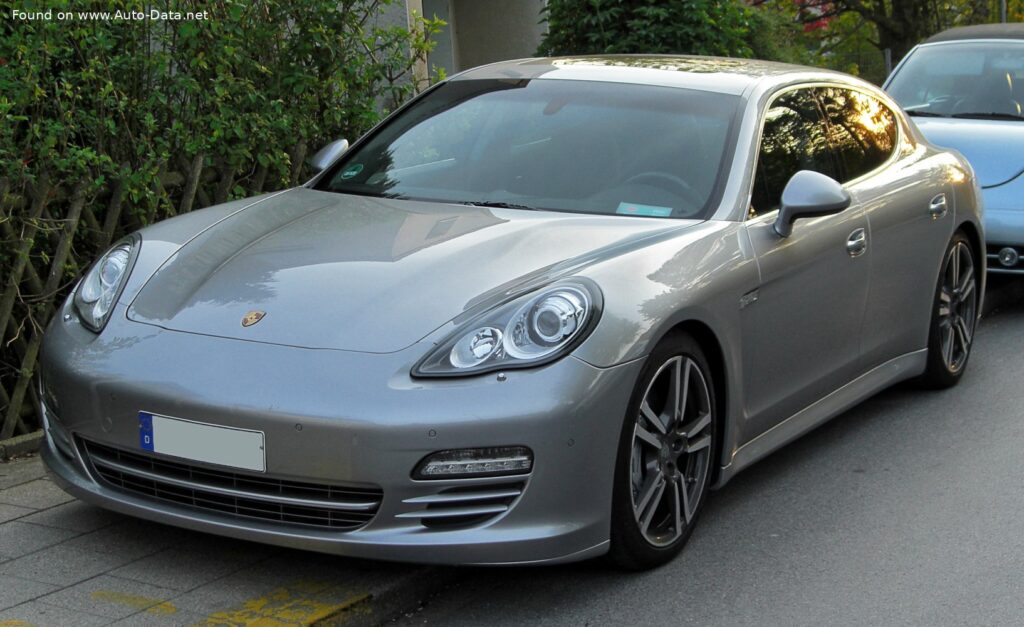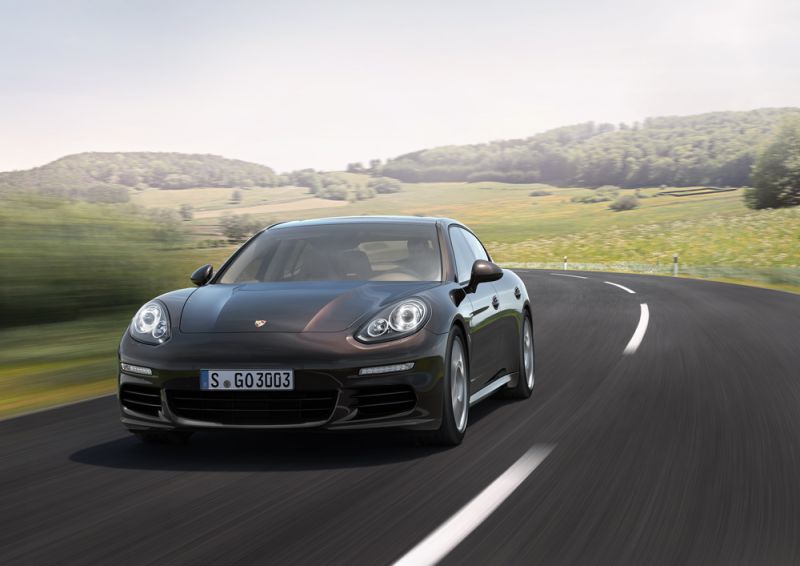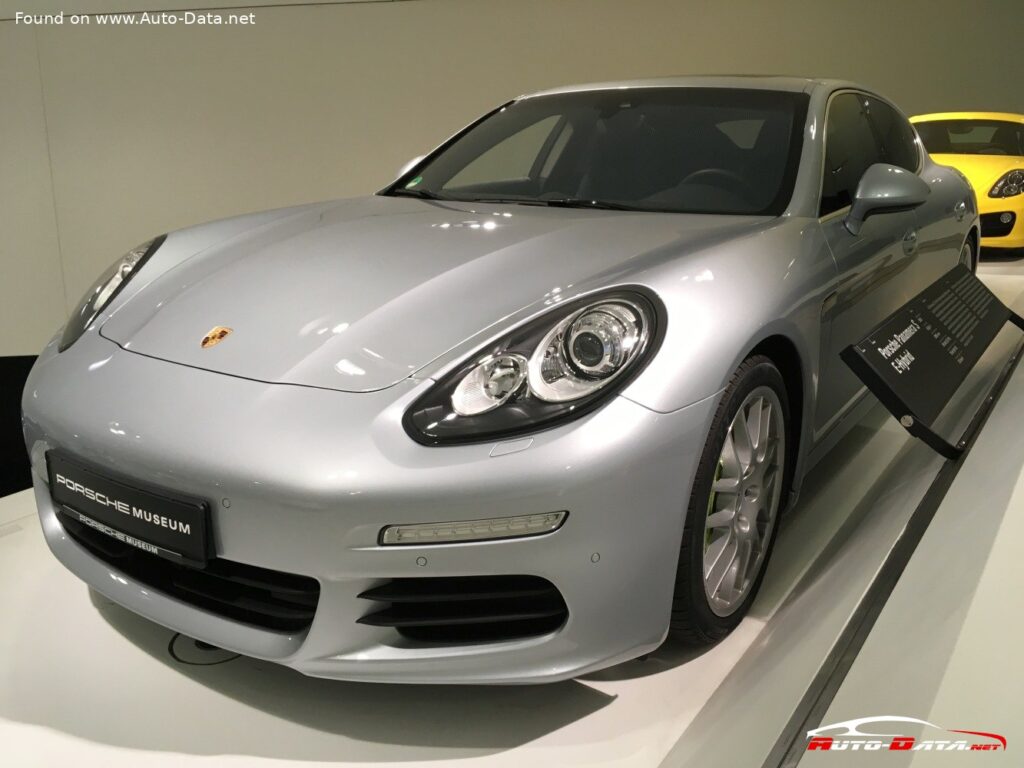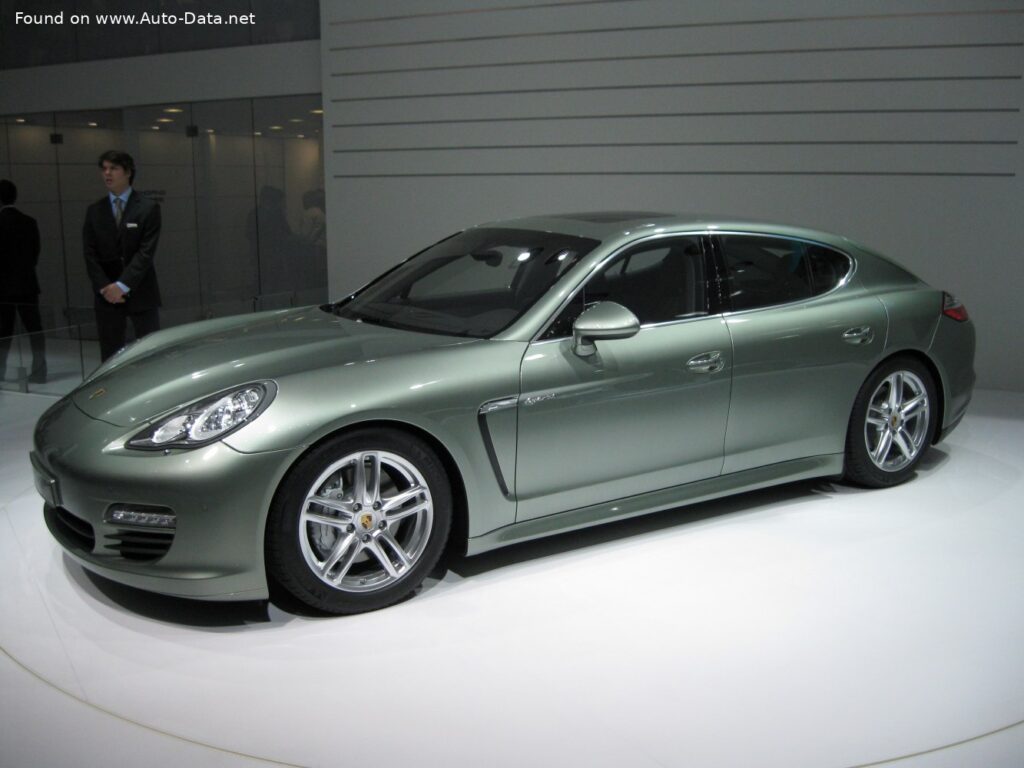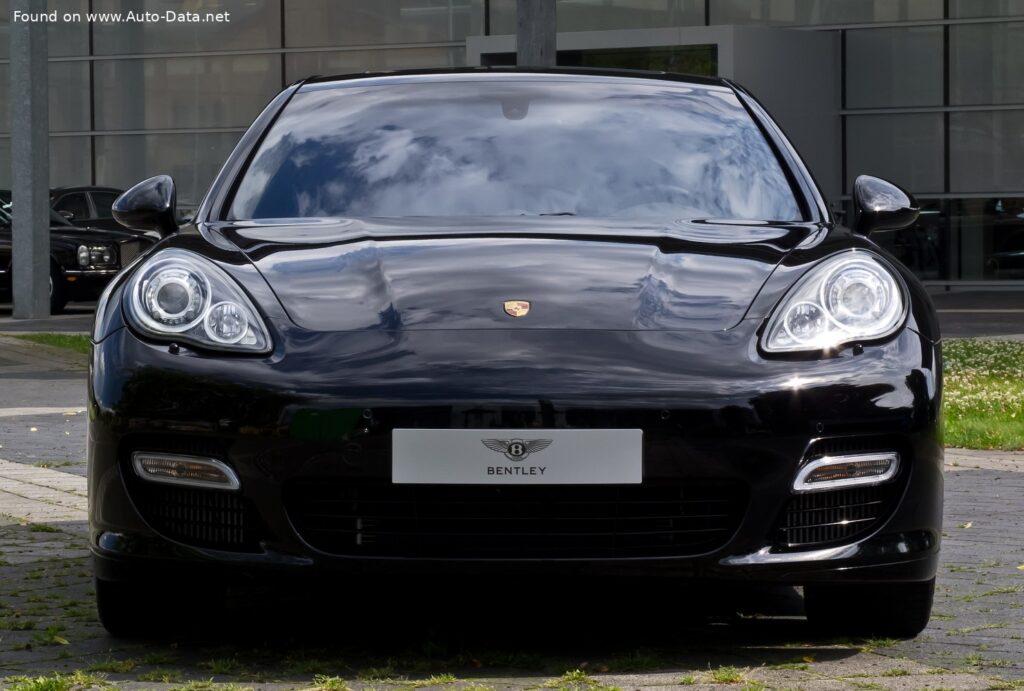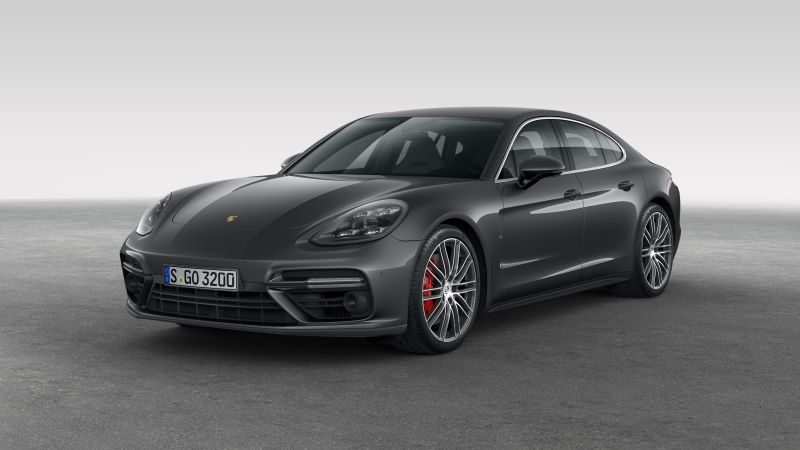
The Porsche Panamera (G2), produced from 2016 to 2018, represents the second generation of Porsche’s four-door luxury liftback. Positioned within the executive car segment, the G2 Panamera aimed to refine the original model’s blend of sports car performance and luxury sedan practicality. This iteration introduced significant advancements in technology, efficiency, and comfort, solidifying the Panamera’s position as a compelling alternative to traditional luxury saloons. The 3.0 V6 (330 Hp) PDK variant, detailed here, offered a balance of performance and fuel economy, appealing to buyers seeking a dynamic driving experience without sacrificing everyday usability.
Porsche Panamera (G2) 3.0 V6 PDK: An Overview
The G2 Panamera marked a substantial departure from its predecessor, adopting a new platform (MSB) and a more sophisticated design language. The 3.0-liter V6 model, equipped with Porsche’s dual-clutch PDK transmission, served as a key entry point into the Panamera range. It provided a compelling combination of power, responsiveness, and efficiency, making it a popular choice among discerning drivers. This model year saw Porsche further refine the Panamera’s handling characteristics and introduce a host of new technology features, enhancing both the driving experience and passenger comfort.
Engine & Performance
At the heart of the Panamera 3.0 V6 PDK lies a 2.995-liter, twin-turbocharged V6 engine, designated EA839 / MCX.TA. This powerplant delivers a maximum output of 330 horsepower at 5400-6400 rpm and 450 Newton-meters (331.9 lb.-ft.) of torque between 1340 and 4900 rpm. The engine’s direct injection system and turbocharging contribute to its responsive performance and relatively high power-to-litre ratio of 110.2 hp/l. Power is delivered to the rear wheels via Porsche’s eight-speed PDK dual-clutch transmission, enabling rapid and seamless gear changes. This combination allows for a 0-100 km/h (0-62 mph) acceleration time of 5.7 seconds, and a 0-60 mph time of 5.4 seconds. The Panamera 3.0 V6 PDK achieves a maximum speed of 264 km/h (164.04 mph). The engine’s longitudinal front-mounted layout contributes to the car’s balanced handling characteristics.
Design & Features
The Panamera G2 features a liftback body style, offering the practicality of a hatchback with the elegance of a coupé. The five-door configuration provides easy access to both the front and rear seats, while the spacious interior comfortably accommodates four passengers. The liftback design also allows for a generous cargo capacity, ranging from 495 liters (17.48 cu. ft.) with the rear seats up to 1304 liters (46.05 cu. ft.) with them folded down. The exterior design of the G2 Panamera is characterized by its sleek lines, sculpted body panels, and distinctive Porsche styling cues. Inside, the cabin is appointed with high-quality materials and features a modern, driver-focused layout. Key features include advanced infotainment systems, comfortable seating, and a range of driver-assistance technologies. Safety features, crucial in this segment, include ABS, and a comprehensive suite of airbags. The drag coefficient of 0.28 contributes to improved aerodynamic efficiency and fuel economy.
Technical Specifications
| Brand | Porsche |
| Model | Panamera |
| Generation | Panamera (G2) |
| Type (Engine) | 3.0 V6 (330 Hp) PDK |
| Start of production | November, 2016 |
| End of production | August, 2018 |
| Powertrain Architecture | Internal Combustion engine |
| Body type | Liftback |
| Seats | 4 |
| Doors | 5 |
| Fuel consumption (urban) | 9.8-9.7 l/100 km (24 – 24.2 US mpg) |
| Fuel consumption (extra urban) | 6.3 l/100 km (37.3 US mpg) |
| Fuel consumption (combined) | 7.6-7.5 l/100 km (30.9 – 31.4 US mpg) |
| CO2 emissions | 173-171 g/km |
| Fuel Type | Petrol (Gasoline) |
| Acceleration 0 – 100 km/h | 5.7 sec |
| Acceleration 0 – 62 mph | 5.7 sec |
| Acceleration 0 – 60 mph | 5.4 sec |
| Acceleration 0 – 200 km/h | 22.0 sec |
| Maximum speed | 264 km/h (164.04 mph) |
| Emission standard | Euro 6 |
| Weight-to-power ratio | 5.5 kg/Hp, 181.8 Hp/tonne |
| Weight-to-torque ratio | 4 kg/Nm, 247.9 Nm/tonne |
| Power | 330 Hp @ 5400-6400 rpm |
| Torque | 450 Nm @ 1340-4900 rpm (331.9 lb.-ft. @ 1340-4900 rpm) |
| Maximum engine speed | 6500 rpm |
| Engine layout | Front, Longitudinal |
| Engine Model/Code | EA839 / MCX.TA |
| Engine displacement | 2995 cm3 (182.77 cu. in.) |
| Number of cylinders | 6 |
| Engine configuration | V-engine |
| Cylinder Bore | 84.5 mm (3.33 in.) |
| Piston Stroke | 89 mm (3.5 in.) |
| Compression ratio | 11.2:1 |
| Number of valves per cylinder | 4 |
| Fuel injection system | Direct injection |
| Engine aspiration | Turbocharger, Intercooler |
| Engine oil capacity | 7.2 l (7.61 US qt | 6.34 UK qt) |
| Kerb Weight | 1815 kg (4001.39 lbs.) |
| Max. weight | 2390 kg (5269.05 lbs.) |
| Max load | 575 kg (1267.66 lbs.) |
| Trunk (boot) space – minimum | 495 l (17.48 cu. ft.) |
| Trunk (boot) space – maximum | 1304 l (46.05 cu. ft.) |
| Fuel tank capacity | 75 l (19.81 US gal | 16.5 UK gal) |
| Length | 5049 mm (198.78 in.) |
| Width | 1937 mm (76.26 in.) |
| Width including mirrors | 2165 mm (85.24 in.) |
| Height | 1423 mm (56.02 in.) |
| Wheelbase | 2950 mm (116.14 in.) |
| Front track | 1671 mm (65.79 in.) |
| Rear (Back) track | 1651 mm (65 in.) |
| Drag coefficient (Cd) | 0.28 |
| Minimum turning circle | 11.4-11.9 m (37.4 – 39.04 ft.) |
| Drivetrain Architecture | Rear wheel drive |
| Number of gears and type of gearbox | 8 gears, automatic transmission PDK |
| Front suspension | Double wishbone |
| Rear suspension | Independent multi-link suspension |
| Front brakes | Ventilated discs |
| Rear brakes | Ventilated discs |
| Front tires | 265/45 ZR19 |
| Rear tires | 295/40 ZR19 |