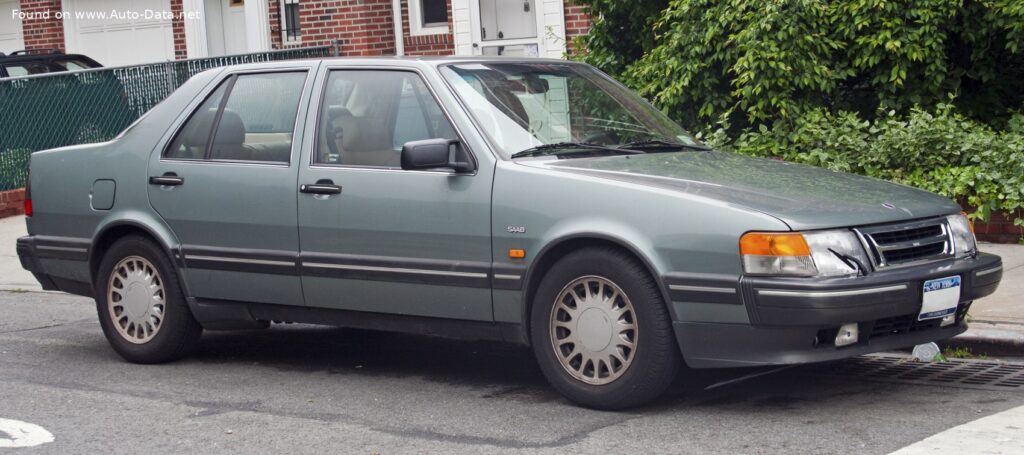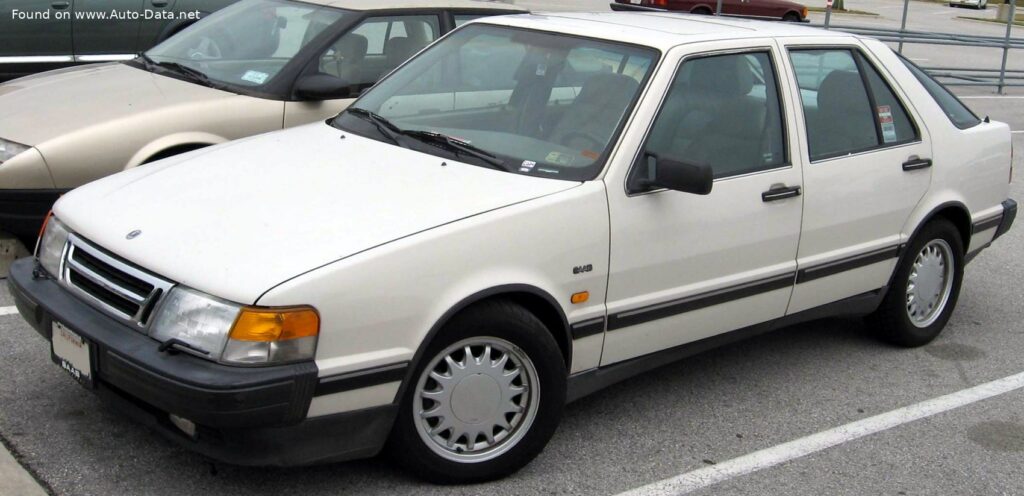
The Saab 9000, particularly the 2.3 16V Aero CS hatchback produced between 1993 and 1998, represents a high point in Saab’s engineering and design philosophy. Positioned as a premium, sporty hatchback, the 9000 aimed to blend practicality with performance, offering a distinctive alternative to more mainstream European and Japanese offerings. While Saab never achieved the sales volumes of its competitors, the 9000 cultivated a loyal following attracted to its unique character, advanced features, and robust build quality. The Aero CS variant, with its 220 horsepower engine, was the performance flagship of the 9000 range, appealing to drivers seeking a refined yet engaging driving experience. The 9000 was never officially sold in the United States during its final production years, but earlier models were available, establishing a niche following among enthusiasts who appreciated Saab’s unconventional approach to automotive design.
Saab 9000 Hatchback 2.3 16V Aero CS: A Detailed Overview
The Saab 9000 emerged in 1984 as a replacement for the aging Saab 99 and 90. It represented a significant step up in size, comfort, and sophistication. The model underwent several revisions throughout its production run, culminating in the second-generation 9000 introduced in 1989. This generation featured revised styling, improved aerodynamics, and a more refined interior. The 2.3 16V Aero CS, produced from 1993-1998, was the ultimate expression of the second-generation 9000, combining a powerful engine with a well-appointed interior and Saab’s signature focus on safety and driver comfort. It was primarily marketed in Europe, where the hatchback body style was particularly popular, and competed with vehicles like the Volvo 850, Audi 80/A4, and BMW 3 Series.
Engine & Performance
The heart of the Saab 9000 2.3 16V Aero CS is the B234R engine, a 2.3-liter, naturally aspirated inline-four cylinder powerplant. This engine is notable for its robust construction and sophisticated cylinder head design, featuring four valves per cylinder (16V) and a dual overhead camshaft configuration. The 16-valve head, combined with a high compression ratio and optimized intake and exhaust systems, allowed the engine to produce a respectable 220 horsepower. This power output, while not groundbreaking by modern standards, provided the Aero CS with brisk acceleration and a comfortable cruising speed. The engine’s torque characteristics were well-suited to everyday driving, offering ample pulling power across a broad RPM range.
Power is delivered to the front wheels through a five-speed manual transmission, although a four-speed automatic transmission was also available as an option. The manual transmission offered a more engaging driving experience, allowing drivers to fully exploit the engine’s power. The suspension system was tuned to provide a balance between comfort and handling, with MacPherson struts at the front and a semi-independent torsion beam setup at the rear. While not a dedicated sports car, the Aero CS offered a surprisingly capable and enjoyable driving experience, characterized by its stable handling and responsive steering. The car’s aerodynamic design, honed through extensive wind tunnel testing, contributed to its stability at higher speeds and reduced drag, improving fuel efficiency.
Design & Features
The Saab 9000 2.3 16V Aero CS is instantly recognizable by its distinctive hatchback body style. The sloping rear roofline and large rear window contribute to a sleek and modern appearance. The car’s design prioritized both form and function, with a spacious interior and a practical cargo area. The hatchback configuration provided easy access to the luggage compartment, making it ideal for carrying larger items. The exterior styling was characterized by clean lines and a minimalist aesthetic, reflecting Saab’s Scandinavian design heritage.
Inside, the Aero CS featured a well-appointed cabin with comfortable seating for five passengers. The interior was designed with the driver in mind, with ergonomically placed controls and a clear, easy-to-read instrument panel. Features included power windows, power door locks, and a premium sound system. Safety was a key consideration in the 9000’s design, and the Aero CS was equipped with features such as anti-lock brakes (ABS) and a robust safety cage. The car’s body structure was engineered to absorb impact energy in the event of a collision, protecting occupants. The Aero CS also featured Saab’s signature Night Panel, which dimmed the instrument panel lights at night to reduce driver fatigue. This feature, along with the comfortable seats and quiet cabin, made the 9000 an excellent long-distance cruiser.
Technical Specifications
| Brand | Saab |
| Model | 9000 |
| Generation | 9000 Hatchback |
| Type (Engine) | 2.3 16V Aero CS (220 Hp) |
| Start of production | 1993 |
| End of production | 1998 |
| Powertrain Architecture | Internal Combustion engine |
| Body type | Hatchback |
| Seats | 5 |
| Doors | 5 |
| Fuel Type | Petrol (Gasoline) |
| Power | 220 Hp |
| Engine Model/Code | B234R |
| Engine aspiration | Naturally aspirated engine |
| Engine oil capacity | 5 l (5.28 US qt | 4.4 UK qt) |
| Coolant capacity | 9 l (9.51 US qt | 7.92 UK qt) |
| Fuel tank capacity | 66 l (17.44 US gal | 14.52 UK gal) |
The Saab 9000 2.3 16V Aero CS, while no longer in production, remains a fondly remembered vehicle among Saab enthusiasts. Its combination of performance, practicality, and distinctive design continues to appeal to those seeking an alternative to more conventional automobiles. The car’s robust engineering and relatively simple mechanicals make it a viable option for those interested in classic car ownership, offering a unique and rewarding driving experience.