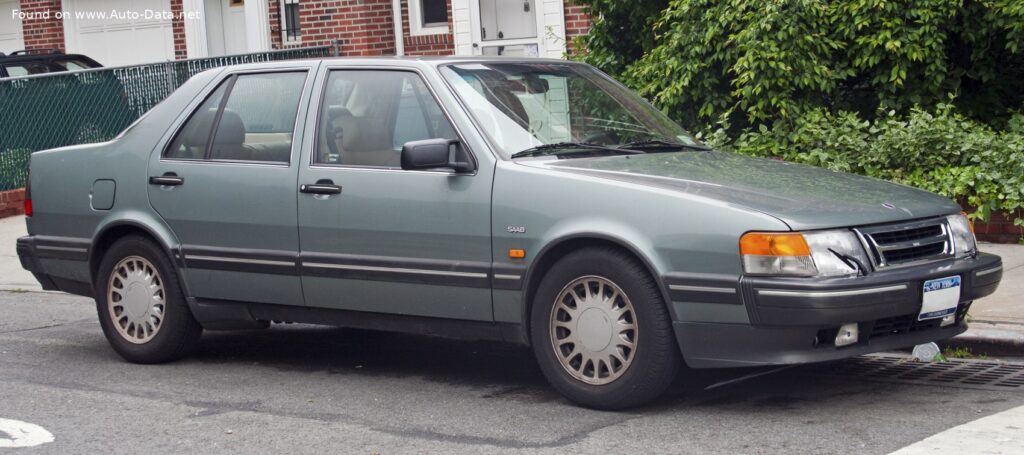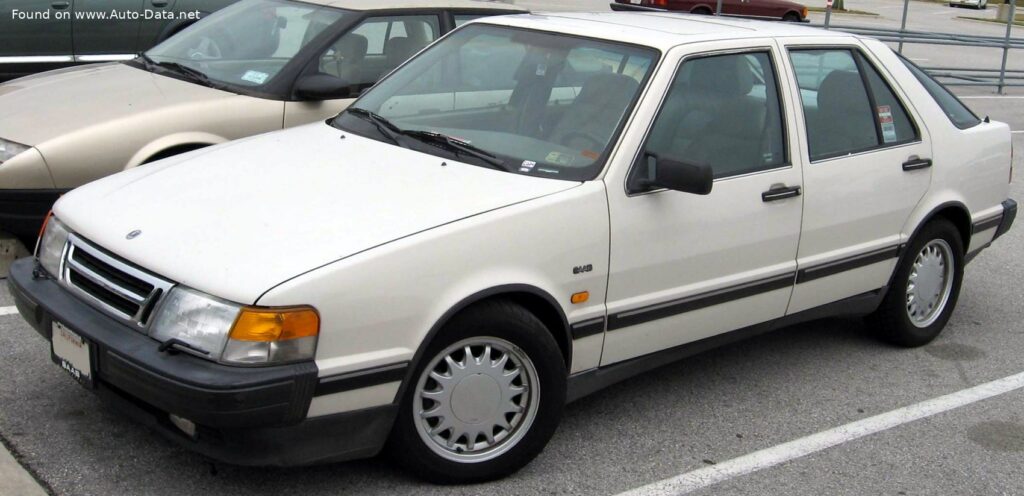
The Saab 9000, particularly the 2.3 16V CS hatchback variant produced from 1989 to 1998, represents a pivotal moment in the Swedish automaker’s history. Positioned as a larger, more sophisticated alternative to the iconic Saab 900, the 9000 aimed to compete directly with executive cars from German manufacturers like BMW, Mercedes-Benz, and Audi. While Saab never achieved the same sales volume as its rivals, the 9000 carved out a loyal following thanks to its distinctive design, innovative safety features, and turbocharged engine options. The 2.3 16V CS model, delivering 146 horsepower, offered a balance of performance and fuel efficiency, making it a popular choice in European markets. Though not widely sold in the United States during its entire production run, the 9000 established Saab’s reputation for engineering excellence and independent thinking.
The Saab 9000: A Legacy of Innovation
The 9000 was Saab’s first venture into the full-size executive car segment. Prior to its introduction, Saab was largely known for its smaller, more utilitarian vehicles. The development of the 9000 was a significant investment for the company, and it represented a deliberate attempt to broaden its appeal and move upmarket. The car was designed with a focus on aerodynamics, safety, and driver comfort – hallmarks of the Saab brand. The “CS” designation in the 2.3 16V CS model signified a higher trim level, typically including more luxurious interior appointments and additional features. The 16V designation refers to the engine’s 16-valve cylinder head, contributing to improved performance compared to earlier 8-valve versions.
Engine & Performance
The heart of the Saab 9000 2.3 16V CS is the B234 engine, a naturally aspirated 2.3-liter inline-four cylinder gasoline engine. This engine produced 146 horsepower, providing adequate performance for comfortable cruising and overtaking. While Saab was renowned for its turbocharged engines, the naturally aspirated 2.3-liter offered a smoother, more linear power delivery, appealing to drivers who preferred a less aggressive driving experience. The engine featured a cast iron block and an aluminum cylinder head, a common configuration for durability and weight reduction. Fuel delivery was managed by Bosch fuel injection, ensuring efficient combustion and reduced emissions. The engine was typically paired with a five-speed manual transmission or a four-speed automatic transmission. The 9000’s front-wheel-drive layout contributed to good handling and stability, particularly in adverse weather conditions. While not a sports car, the 9000 offered a respectable 0-60 mph time of around 9-10 seconds, making it competitive within its class.
Design & Features
The Saab 9000’s design was instantly recognizable, characterized by its aerodynamic silhouette and distinctive front-end styling. The hatchback body style provided practical cargo space and ease of access. The car’s drag coefficient was relatively low for its time, contributing to improved fuel efficiency and reduced wind noise. Inside, the 9000 offered a spacious and comfortable cabin, with seating for five passengers. Saab prioritized ergonomics in its interior design, with controls logically placed and easily accessible. The dashboard featured a clean and functional layout, with a focus on providing the driver with essential information. Safety was a key consideration in the 9000’s design. It incorporated features such as reinforced steel beams in the doors, a collapsible steering column, and an energy-absorbing front structure. Later models also included anti-lock brakes (ABS) and airbags, further enhancing occupant protection. The 9000 also featured a sophisticated ventilation system, designed to minimize drafts and maintain a comfortable cabin temperature. The hatchback configuration offered a large cargo area, making the 9000 a practical choice for families and those who frequently transported bulky items.
Technical Specifications
| Brand | Saab |
| Model | 9000 |
| Generation | 9000 Hatchback |
| Type (Engine) | 2.3 16V CS (146 Hp) |
| Start of production | 1989 |
| End of production | 1998 |
| Powertrain Architecture | Internal Combustion engine |
| Body type | Hatchback |
| Seats | 5 |
| Doors | 5 |
| Fuel Type | Petrol (Gasoline) |
| Power | 146 Hp |
| Engine Model/Code | B234 |
| Engine aspiration | Naturally aspirated engine |
| Engine oil capacity | 4.3 l / 4.54 US qt / 3.78 UK qt |
| Coolant capacity | 9 l / 9.51 US qt / 7.92 UK qt |
| Fuel tank capacity | 66 l / 17.44 US gal / 14.52 UK gal |
The Saab 9000, despite its eventual discontinuation, remains a fondly remembered vehicle among automotive enthusiasts. Its blend of Scandinavian design, innovative engineering, and practical features set it apart from its competitors. The 2.3 16V CS model, with its reliable engine and comfortable ride, represents a sweet spot in the 9000 lineup. While Saab ultimately faced financial difficulties and was absorbed by General Motors, the 9000 stands as a testament to the company’s commitment to building unique and thoughtfully designed automobiles. The car’s legacy continues to influence automotive design and engineering today, reminding us of a time when Saab dared to be different.