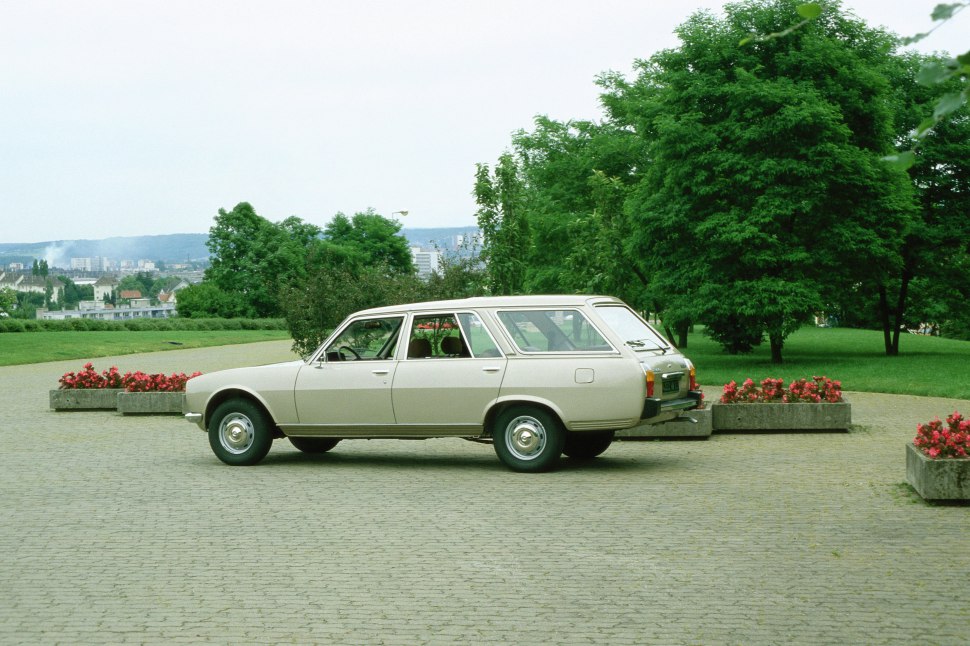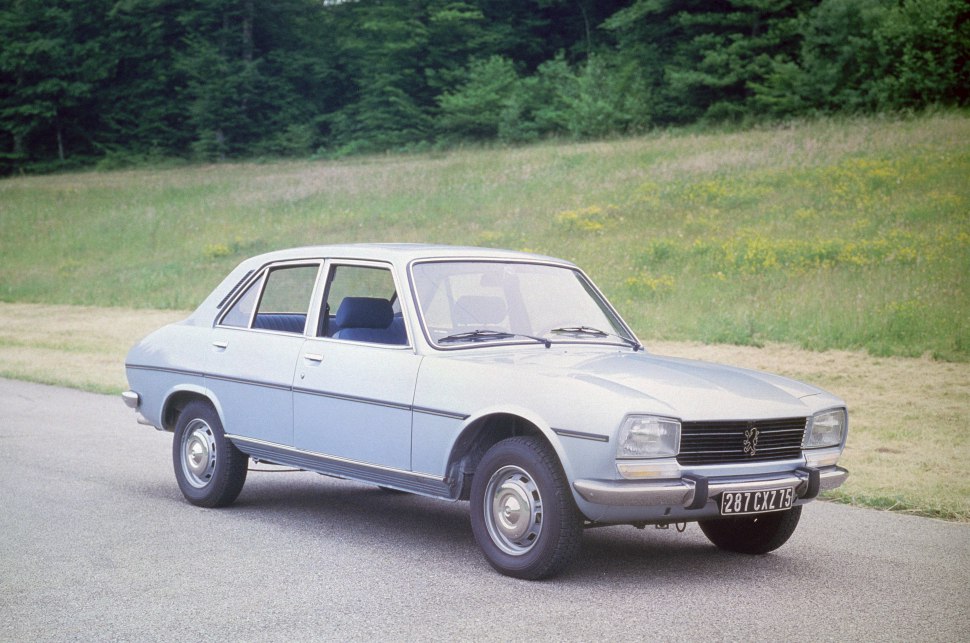
The Peugeot 504 2.1 D (A20, M20) represents a significant chapter in the history of Peugeot, and more broadly, in the development of the modern European family sedan. Produced from 1971 to 1986, the 504 was a vehicle of considerable longevity, enjoying production runs in various forms and locations for over fifteen years. While not officially sold in the United States, the 504 achieved iconic status in Europe, Africa, and South America, becoming renowned for its robust construction, independent suspension, and, later, its diesel engine options. The 2.1-liter diesel variant, specifically the A20 and M20 models producing 65 horsepower, was particularly popular in markets where fuel economy and durability were paramount. This model cemented the 504’s reputation as a reliable and practical vehicle, capable of withstanding challenging road conditions and providing years of dependable service.
Peugeot 504 2.1 D: A Legacy of Engineering
The Peugeot 504 was a pivotal model for the French automaker, representing a departure from the more rounded designs of the 1960s and embracing a more angular, modern aesthetic. Designed under the direction of Paul Bouvot and Raymond Loewy, the 504 aimed to offer a sophisticated and comfortable driving experience, competing with established European rivals like the BMW New Class and Mercedes-Benz W114. The introduction of the diesel engine in the 1970s broadened the 504’s appeal, particularly in regions where gasoline was expensive or scarce. The 2.1-liter diesel, while not a powerhouse in terms of outright performance, offered exceptional fuel efficiency and a level of durability that became synonymous with the 504 nameplate. The A20 and M20 designations refer to specific variations within the 504 range, often denoting minor differences in trim or equipment levels.
Engine & Performance
The heart of the Peugeot 504 2.1 D is the XD4x90 diesel engine, a naturally aspirated 2.1-liter (2138 cc) inline-four cylinder unit. This engine produced 65 horsepower, a modest output by modern standards, but sufficient for comfortable cruising and reliable transportation. The engine’s strength lay not in its speed, but in its torque characteristics and fuel economy. Diesel engines, by their nature, deliver strong low-end torque, making the 504 2.1 D surprisingly capable of handling inclines and carrying loads. The engine is indirect injection, a common technology for diesel engines of the era. This design contributes to quieter operation and smoother combustion compared to direct injection systems. The 504 2.1 D was typically equipped with a four-speed manual transmission, although an automatic transmission was available as an option in some markets. Performance figures were modest, with acceleration from 0 to 60 mph taking around 18-20 seconds, and a top speed of approximately 90 mph. However, these figures were not the primary focus of the 504 2.1 D; its strengths were its reliability, fuel efficiency (often exceeding 40 mpg), and ability to cover long distances without requiring frequent maintenance.
Design & Features
The Peugeot 504 is instantly recognizable for its Pininfarina-designed body, characterized by clean lines, a long hood, and a spacious cabin. The sedan body style was the most common, although estate (wagon) and coupé versions were also produced. The 504 was one of the first mass-produced cars to feature independent suspension on all four wheels, a significant advancement in ride comfort and handling. This independent suspension, combined with rack-and-pinion steering, provided a level of driving refinement that was uncommon in its class during the early 1970s. Inside, the 504 offered a comfortable and well-appointed interior, with supportive seats and a practical dashboard layout. While early models were relatively spartan in terms of features, later versions incorporated improvements such as power steering, air conditioning, and upgraded audio systems. Safety features were limited by the standards of the time, but the 504 did offer disc brakes on all four wheels, a notable safety improvement over drum brakes. The build quality of the 504 was generally considered to be very good, contributing to its longevity and reputation for reliability. The car’s robust construction and simple mechanical design made it relatively easy to maintain and repair, even in regions with limited access to specialized tools or expertise.
Technical Specifications
| Brand | Peugeot |
| Model | 504 |
| Generation | 504 |
| Type (Engine) | 2.1 D (A20,M20) (65 Hp) |
| Start of production | 1971 |
| End of production | 1986 |
| Powertrain Architecture | Internal Combustion engine |
| Body type | Sedan |
| Fuel Type | Diesel |
| Power | 65 Hp |
| Engine Model/Code | XD4x90 |
| Engine aspiration | Naturally aspirated engine |
| Engine oil capacity | 5 l (5.28 US qt | 4.4 UK qt) |
| Coolant capacity | 10 l (10.57 US qt | 8.8 UK qt) |
The Peugeot 504 2.1 D, while never officially available in the American market, remains a significant vehicle in automotive history. Its combination of robust engineering, fuel efficiency, and durability made it a popular choice in numerous countries around the world. The 504’s legacy extends beyond its practical attributes; it is also celebrated for its elegant design and its contribution to the evolution of the modern European sedan. Today, well-maintained examples of the 504 2.1 D are sought after by collectors and enthusiasts, serving as a reminder of a time when cars were built to last and designed to provide years of dependable service.