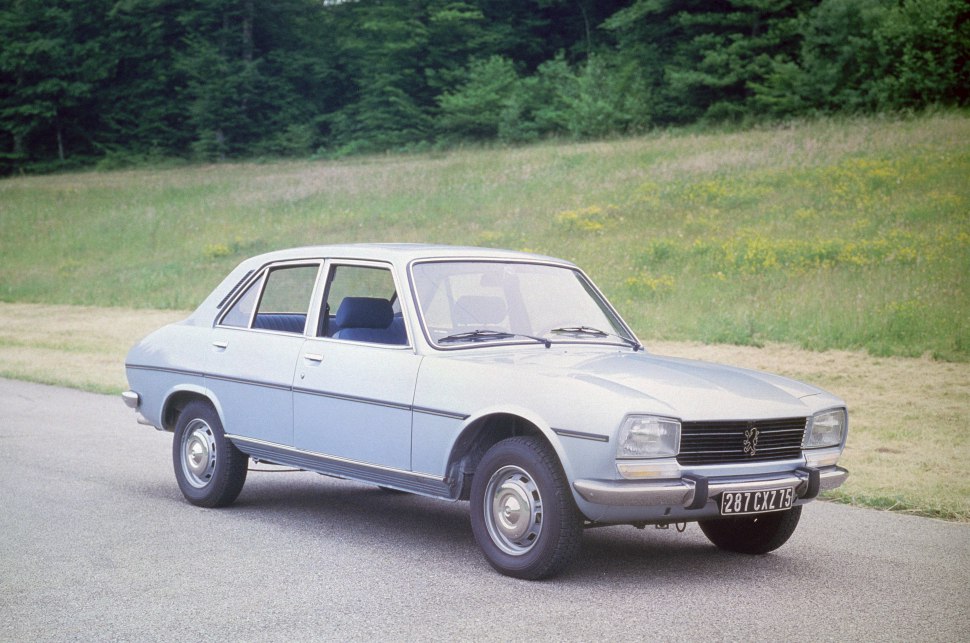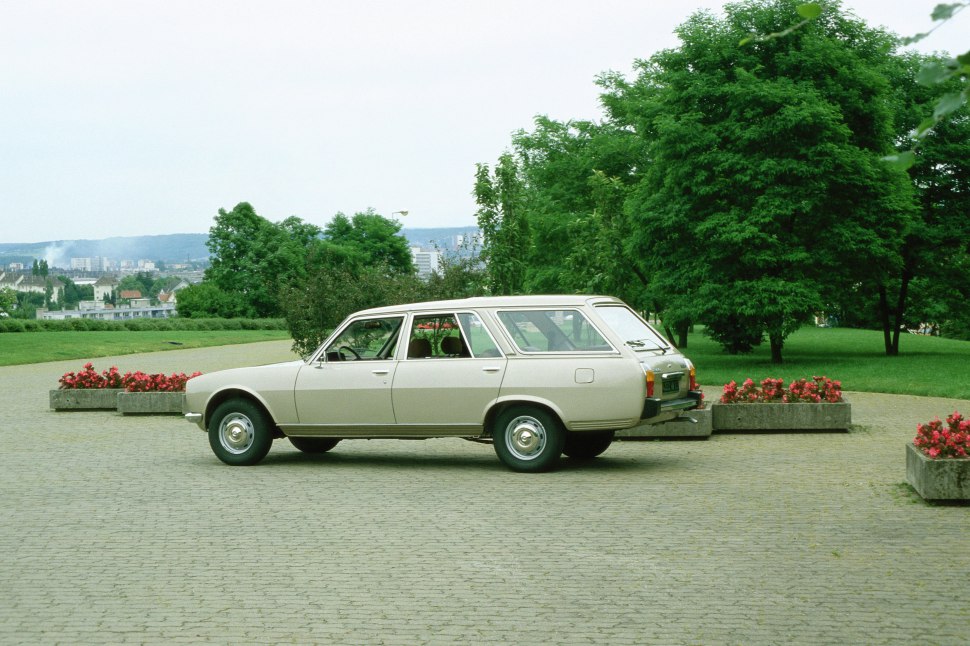
The Peugeot 504 Break 2.3 D (D40, F40) represents a significant chapter in Peugeot’s history, particularly as a durable and practical station wagon (estate) aimed at a European market increasingly demanding versatility. Produced from 1975 to 1986, the 504 Break, and specifically the 2.3-liter diesel variant, became a workhorse for families, businesses, and even rally teams. While never officially sold in the United States, the 504 in its various forms achieved considerable success in Europe, Africa, and South America, becoming renowned for its robust construction and ability to handle challenging conditions. The Break, or estate, body style further enhanced the 504’s appeal, offering a substantial cargo capacity that set it apart from its sedan counterpart.
Peugeot 504 Break: A Legacy of Durability
The Peugeot 504 was originally launched in 1968 as a replacement for the Peugeot 404. The Break version, introduced shortly after, quickly gained popularity for its practicality. The 2.3-liter diesel engine, designated D40 and F40 depending on specific market and minor revisions, was a key component of the Break’s appeal, offering improved fuel economy and torque compared to the gasoline options. This diesel variant was particularly well-suited for long distances and heavy loads, making it a favorite among those needing a reliable and economical vehicle. The 504 Break wasn’t about outright speed or luxury; it was about providing dependable transportation in a stylish and functional package.
Engine & Performance
The heart of the Peugeot 504 Break 2.3 D is the 134 XD2 engine, a naturally aspirated, indirect injection diesel engine displacing 2.3 liters. This engine produced 69 horsepower, a modest figure by modern standards, but sufficient for the vehicle’s intended purpose. The engine’s strength lay in its torque output, which provided ample pulling power for hauling cargo or navigating hilly terrain. The 504 Break was not designed for rapid acceleration; its focus was on providing consistent and reliable performance over long distances. The engine is known for its simplicity and durability, characteristics that contributed to the 504’s longevity and reputation for reliability. The drivetrain consisted of a rear-wheel drive configuration, common for European vehicles of this era, and typically paired with either a four-speed manual or, less commonly, an automatic transmission. The suspension, featuring independent front suspension and a live axle rear suspension, provided a comfortable ride, even when the vehicle was fully loaded.
Design & Features
The Peugeot 504 Break’s design was penned by Pininfarina, the renowned Italian design house, and it remains a visually appealing vehicle even today. The station wagon body style extended the roofline to the rear of the vehicle, creating a large cargo area accessible through a rear tailgate. The exterior styling featured clean lines, a relatively upright grille, and distinctive headlights. Inside, the 504 Break offered a functional and comfortable cabin. While not lavishly appointed, the interior was well-built and featured durable materials. The dashboard layout was straightforward and focused on providing essential information to the driver. Safety features, by the standards of the 1970s and 80s, were relatively basic, consisting primarily of seatbelts and a robust chassis designed to withstand impacts. The emphasis was on structural integrity rather than advanced safety technologies. The large windows and relatively thin pillars provided good visibility for the driver. The 504 Break’s design successfully blended practicality with a touch of European elegance, making it a desirable vehicle for those seeking a versatile and stylish station wagon.
The 504 Break’s enduring appeal also stemmed from its adaptability. It was frequently used as a taxi in many countries, a testament to its reliability and low running costs. Its robust construction made it suitable for use on unpaved roads, and its spacious interior made it ideal for carrying passengers or goods. The Break’s versatility extended to its use in various commercial applications, further solidifying its reputation as a practical and dependable vehicle.
Technical Specifications
| Brand | Peugeot |
| Model | 504 |
| Generation | 504 Break |
| Type (Engine) | 2.3 D (D40, F40) (69 Hp) |
| Start of production | 1975 |
| End of production | 1986 |
| Powertrain Architecture | Internal Combustion engine |
| Body type | Station wagon (estate) |
| Fuel Type | Diesel |
| Power | 69 Hp |
| Engine Model/Code | 134 XD2 |
| Engine aspiration | Naturally aspirated engine |
| Engine oil capacity | 5 l (5.28 US qt | 4.4 UK qt) |
| Coolant capacity | 10 l (10.57 US qt | 8.8 UK qt) |
The Peugeot 504 Break 2.3 D, while not a performance vehicle, carved a niche for itself as a dependable and practical station wagon. Its robust engine, spacious interior, and durable construction made it a popular choice for families and businesses alike. Though never officially available in the US market, its legacy as a versatile and reliable vehicle endures, particularly in the regions where it was widely adopted and remains a cherished classic.