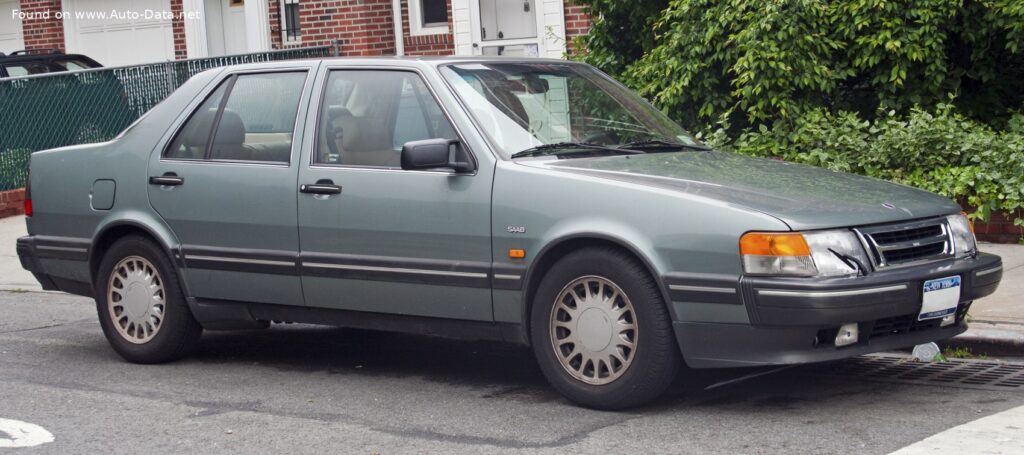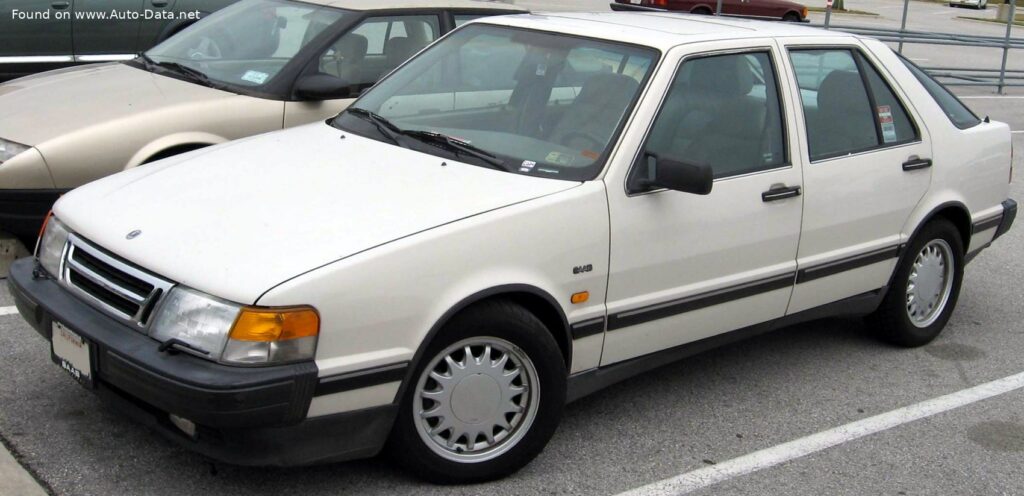
The Saab 9000 Hatchback 3.0 V6 24V CS/CSE (211 Hp) represents the culmination of Saab’s commitment to innovative design and engineering within the executive car segment. Produced between 1994 and 1998, this model was a significant offering in the European market, particularly in Sweden and other Nordic countries, where Saab enjoyed a strong following. While never a high-volume seller in the United States due to import limitations and brand recognition, the 9000 series, and this variant specifically, showcased Saab’s unique approach to automotive design, prioritizing driver comfort, safety, and a distinctive aesthetic. The 9000 aimed to provide a practical and sophisticated alternative to more mainstream offerings from German manufacturers.
The Saab 9000: A Legacy of Innovation
The Saab 9000 was introduced in 1984 as a replacement for the Saab 900. It represented a move upmarket for the Swedish automaker, targeting a more affluent and discerning clientele. The hatchback body style, while common in Europe, was relatively uncommon in the US market at the time, offering a blend of practicality and style. The 3.0 V6 24V CS/CSE trim level, introduced later in the production run, was the top-of-the-line offering, featuring a powerful engine and a comprehensive list of standard features. The “CS” and “CSE” designations denoted different levels of equipment, with the CSE typically offering more luxury appointments.
Engine & Performance
The heart of the Saab 9000 3.0 V6 24V CS/CSE is its 2.962-liter (180.75 cubic inch) V6 engine. This naturally aspirated powerplant, designated the B308, produces 211 horsepower at 6,200 rpm and 270 Nm (199.14 lb.-ft.) of torque at 3,300 rpm. The engine features a 24-valve dual overhead camshaft (DOHC) configuration and multi-port fuel injection, contributing to its smooth power delivery and relatively efficient operation. Power is sent to the front wheels via a 5-speed manual transmission. This configuration allows for a 0-60 mph (0-96 km/h) acceleration time of approximately 8.8 seconds and a top speed of 230 km/h (142.92 mph). Fuel consumption is rated at 9.3 liters per 100 kilometers (25.3 US mpg), a respectable figure for a V6 engine of this displacement in the mid-1990s.
Design & Features
The Saab 9000 Hatchback is characterized by its distinctive, aerodynamic design. The body lines are smooth and flowing, with a focus on minimizing drag. The hatchback configuration provides a generous amount of cargo space, with a minimum of 488 liters (17.23 cubic feet) expanding to 883 liters (31.18 cubic feet) with the rear seats folded down. Inside, the 9000 offers a comfortable and well-appointed cabin, designed with the driver in mind. The dashboard is ergonomically laid out, with all controls within easy reach. Safety was a key consideration in the 9000’s design, and it was equipped with an Anti-lock Braking System (ABS) as standard. The interior prioritized a comfortable and functional environment, reflecting Saab’s Scandinavian design philosophy. The vehicle seats five passengers and features five doors for easy access. Hydraulic power steering provides a responsive and comfortable driving experience.
Technical Specifications
| Brand | Saab |
| Model | 9000 |
| Generation | 9000 Hatchback |
| Type (Engine) | 3.0 V6 24V CS/CSE (211 Hp) |
| Start of production | 1994 |
| End of production | 1998 |
| Powertrain Architecture | Internal Combustion engine |
| Body type | Hatchback |
| Seats | 5 |
| Doors | 5 |
| Fuel consumption (combined) | 9.3 l/100 km |
| Fuel consumption (US mpg) | 25.3 US mpg |
| Fuel consumption (UK mpg) | 30.4 UK mpg |
| Fuel consumption (km/l) | 10.8 km/l |
| Fuel Type | Petrol (Gasoline) |
| Acceleration 0 – 100 km/h | 9.3 sec |
| Acceleration 0 – 62 mph | 9.3 sec |
| Acceleration 0 – 60 mph | 8.8 sec |
| Maximum speed | 230 km/h (142.92 mph) |
| Power | 211 Hp @ 6200 rpm |
| Power per litre | 71.2 Hp/l |
| Torque | 270 Nm @ 3300 rpm (199.14 lb.-ft. @ 3300 rpm) |
| Engine layout | Front, Transverse |
| Engine Model/Code | B308 |
| Engine displacement | 2962 cm3 (180.75 cu. in.) |
| Number of cylinders | 6 |
| Engine configuration | V-engine |
| Cylinder Bore | 86 mm (3.39 in.) |
| Piston Stroke | 85 mm (3.35 in.) |
| Compression ratio | 10.8:1 |
| Number of valves per cylinder | 4 |
| Fuel injection system | Multi-port manifold injection |
| Engine aspiration | Naturally aspirated engine |
| Valvetrain | DOHC |
| Engine oil capacity | 4.5 l (4.76 US qt | 3.96 UK qt) |
| Coolant capacity | 8 l (8.45 US qt | 7.04 UK qt) |
| Trunk (boot) space – minimum | 488 l (17.23 cu. ft.) |
| Trunk (boot) space – maximum | 883 l (31.18 cu. ft.) |
| Fuel tank capacity | 66 l (17.44 US gal | 14.52 UK gal) |
| Length | 4761 mm (187.44 in.) |
| Width | 1778 mm (70 in.) |
| Height | 1420 mm (55.91 in.) |
| Wheelbase | 2672 mm (105.2 in.) |
| Drivetrain Architecture | ICE drives front wheels |
| Drive wheel | Front wheel drive |
| Number of gears and type of gearbox | 5 gears, manual transmission |
| Front suspension | Wishbone |
| Rear suspension | Suspension with traction connecting levers |
| Front brakes | Ventilated discs |
| Rear brakes | Disc |
| Assisting systems | ABS (Anti-lock braking system) |
| Steering type | Steering rack and pinion |
| Power steering | Hydraulic Steering |
| Tires size | 205/60 R15 |
| Wheel rims size | 15 |
The Saab 9000 3.0 V6 24V CS/CSE, while not a mainstream success in the US, remains a fondly remembered vehicle for its unique character, comfortable ride, and commitment to safety. It represents a high point in Saab’s engineering and design prowess, and a testament to the brand’s independent spirit.