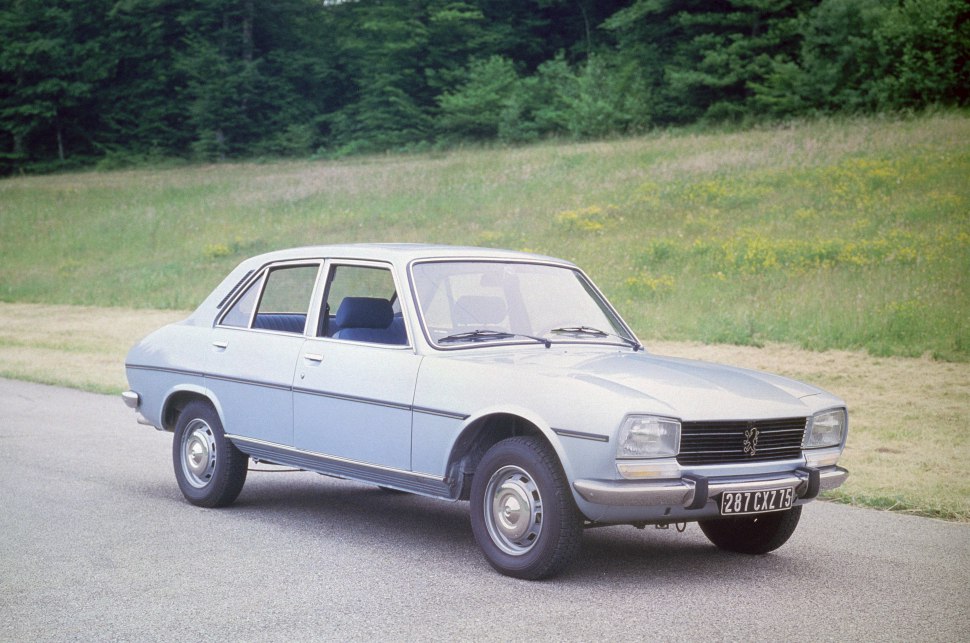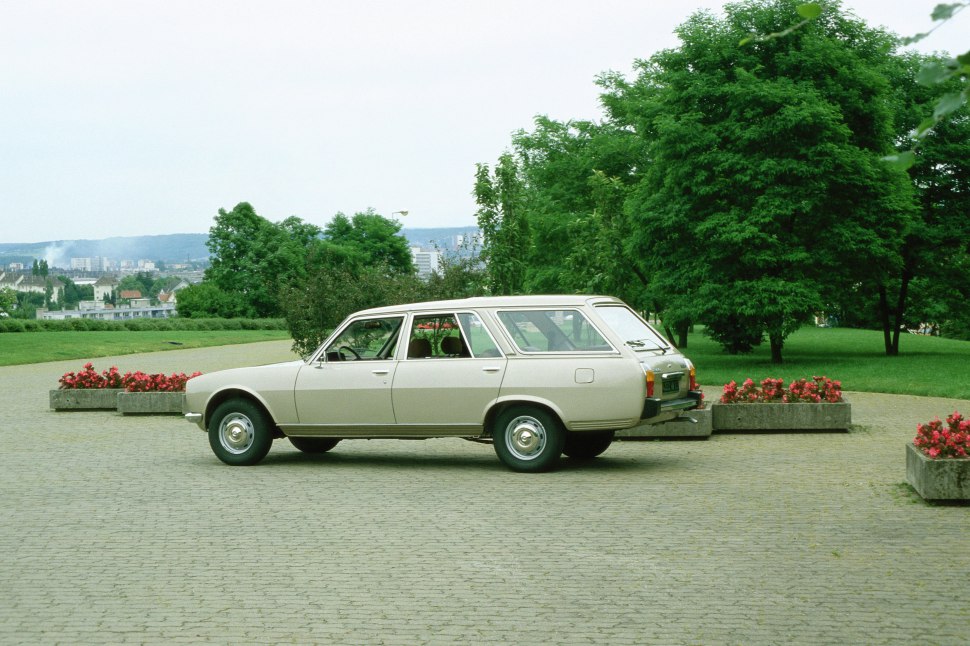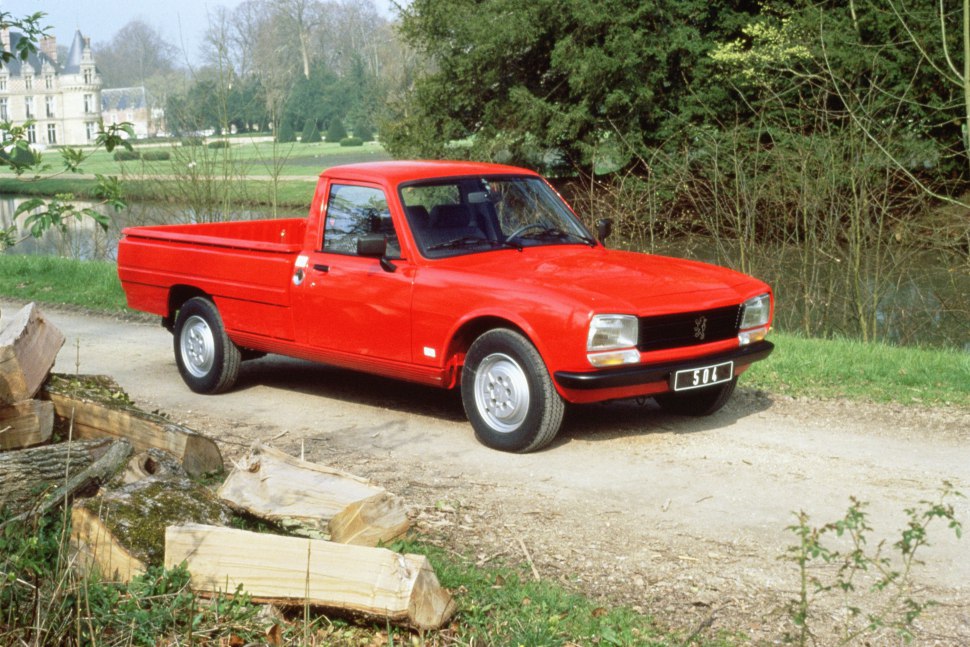
The Peugeot 504 Pick-up, specifically the 1.6-liter variant producing 63 horsepower, represents a pragmatic and enduring adaptation of the popular Peugeot 504 sedan. Introduced in 1980 and continuing production through 1987, this workhorse vehicle was primarily aimed at markets in Africa, South America, and parts of Asia, where a robust and simple utility vehicle was in high demand. While not officially sold in the United States, the 504 Pick-up gained a reputation for reliability and durability in challenging conditions, becoming a staple for commercial use and personal transportation in its target regions. It filled a niche for affordable, dependable transport where more sophisticated vehicles were impractical or cost-prohibitive. The 504 Pick-up was a direct response to the need for a versatile vehicle capable of handling both cargo and passengers in areas with limited infrastructure.
Peugeot 504 Pick-up: A Legacy of Utility
The 504 Pick-up wasn’t conceived as a luxury item; its design philosophy centered on functionality and ease of maintenance. It leveraged the proven mechanicals of the 504 sedan, adapting them to a more utilitarian body style. This approach minimized development costs and ensured a readily available supply of spare parts, crucial for operation in remote areas. The pick-up’s success stemmed from its ability to provide a cost-effective solution for transporting goods and people, contributing significantly to the economies of the regions where it was widely adopted. It became synonymous with small businesses, farmers, and aid organizations operating in developing countries.
Engine & Performance
The heart of the Peugeot 504 Pick-up 1.6 is the XC7P engine, a 1.6-liter naturally aspirated inline-four cylinder gasoline engine. This engine produced 63 horsepower, a modest output by modern standards, but sufficient for the intended applications. The engine’s design prioritized reliability and fuel efficiency over outright performance. It featured a simple overhead valve (OHV) configuration and a single carburetor, contributing to its ease of maintenance. The engine was mated to a typically four-speed manual transmission, delivering power to the rear wheels. While not designed for speed, the 504 Pick-up offered adequate torque for hauling moderate loads and navigating varied terrain. The engine’s durability was a key selling point, allowing it to withstand the rigors of continuous use in harsh environments. Top speed was estimated to be around 75 miles per hour, but the vehicle was generally operated at lower speeds due to road conditions and load capacity. The engine’s relatively low compression ratio also allowed it to run reliably on lower-octane fuel, a significant advantage in regions where fuel quality was inconsistent.
Design & Features
The Peugeot 504 Pick-up’s design is distinctly utilitarian. The body-on-frame construction provided a robust platform capable of withstanding heavy loads and rough roads. The pick-up bed, typically around 6 feet in length, offered a practical cargo area for a variety of goods. The cabin was spartan but functional, offering basic seating for two occupants, although some models accommodated a third passenger. Interior features were minimal, focusing on durability rather than comfort. The dashboard was typically constructed from hard-wearing plastic, and the seats were upholstered in vinyl. Safety features were limited by the standards of the time, consisting primarily of basic seatbelts. The vehicle’s suspension, featuring independent front suspension and a live rear axle, was designed to provide a comfortable ride despite the challenging road conditions it often encountered. The 504 Pick-up’s simple design also made it relatively easy to repair, even in areas with limited access to specialized tools or technicians. The exterior styling mirrored the sedan version, retaining the characteristic Peugeot front grille and headlights, but with the addition of a practical and durable pick-up bed. The vehicle’s overall aesthetic was one of rugged functionality, reflecting its intended purpose.
Technical Specifications
| Brand | Peugeot |
| Model | 504 |
| Generation | 504 Pick-up |
| Type (Engine) | 1.6 (63 Hp) |
| Start of production | 1980 |
| End of production | 1987 |
| Powertrain Architecture | Internal Combustion engine |
| Body type | Pick-up |
| Fuel Type | Petrol (Gasoline) |
| Power | 63 Hp |
| Engine Model/Code | XC7P |
| Engine aspiration | Naturally aspirated engine |
| Engine oil capacity | 4 l (4.23 US qt | 3.52 UK qt) |
| Coolant capacity | 8 l (8.45 US qt | 7.04 UK qt) |
The Peugeot 504 Pick-up, despite its relatively simple design, played a significant role in the transportation landscape of many developing nations. Its robust construction, reliable engine, and ease of maintenance made it a popular choice for a wide range of applications. While it never achieved mainstream success in North America or other developed markets, its legacy as a dependable and affordable workhorse remains strong in the regions where it was most widely used. The 504 Pick-up stands as a testament to the enduring appeal of practical, no-nonsense vehicle design, prioritizing functionality and durability over luxury and performance. Its continued presence on roads in various parts of the world is a testament to its inherent quality and the ingenuity of its design. The vehicle’s impact extended beyond mere transportation; it facilitated economic activity and provided essential mobility for communities in need.