
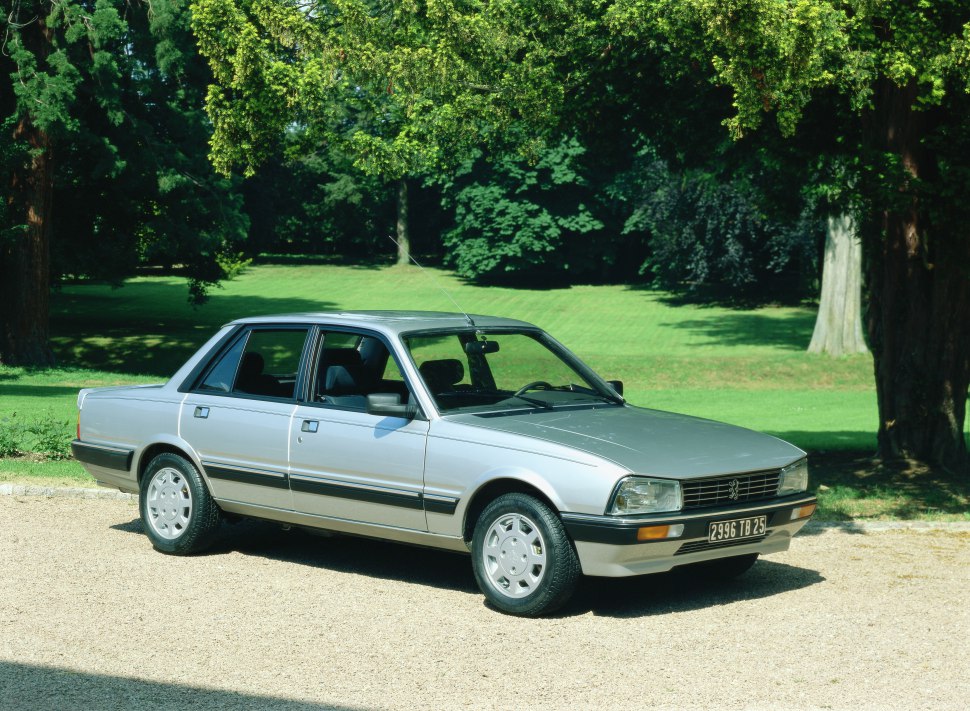
The Peugeot 505, specifically the 551A variant powered by the 1.8-liter engine producing 75 horsepower, represents a significant step forward for Peugeot in the executive car segment. Introduced in 1981 and continuing production through 1985, the 505 was designed as a replacement for the aging Peugeot 504. While not widely sold in the United States, the 505 enjoyed considerable success in Europe, South America, and parts of Asia, becoming known for its robust build quality, comfortable ride, and sophisticated engineering for its time. The 505 aimed to compete with vehicles like the Mercedes-Benz W123 and BMW E28, offering a French alternative with a distinct character. This model, the 1.8-liter version, served as the entry point to the 505 range, prioritizing fuel economy and affordability over outright performance.
Peugeot 505 (551A): A Detailed Overview
The 505 marked a departure from Peugeot’s earlier designs, adopting a more angular and modern aesthetic. Pininfarina, the renowned Italian design house, played a key role in shaping the 505’s exterior, resulting in a sleek and understated profile. The car’s design emphasized practicality and spaciousness, offering a comfortable cabin for passengers and a reasonably sized trunk. The 551A designation refers to the initial series of the 505, characterized by specific engine options and trim levels. The 1.8-liter engine, while not the most powerful in the 505 lineup, provided a balance between performance and fuel efficiency, making it a popular choice for everyday driving.
Engine & Performance
The heart of the Peugeot 505 (551A) 1.8 is the 105 XM7 engine, a 1.8-liter naturally aspirated inline-four cylinder gasoline engine. This engine produced 75 horsepower, which, while modest by modern standards, was adequate for comfortable cruising and everyday transportation in the early 1980s. The engine featured a single overhead camshaft (SOHC) design and a two-barrel carburetor, a common configuration for engines of that era. The engine’s relatively simple design contributed to its reliability and ease of maintenance.
Power was delivered to the rear wheels via a four- or five-speed manual transmission, or an optional three-speed automatic transmission. The rear-wheel-drive layout provided a balanced driving experience, although it wasn’t particularly sporty. The 505’s suspension system, featuring independent front suspension with MacPherson struts and a rigid axle rear suspension, prioritized ride comfort over sharp handling. The car was not designed for aggressive driving, but rather for providing a smooth and refined experience on long journeys. Fuel economy was a consideration, and the 1.8-liter engine offered a reasonable compromise between performance and efficiency for the time. Top speed was around 97 mph, and acceleration from 0 to 60 mph took approximately 12-13 seconds.
Design & Features
The Peugeot 505 (551A) was exclusively offered as a four-door sedan. Its body style was characterized by clean lines, a relatively long wheelbase, and a low-slung profile. The Pininfarina influence is evident in the car’s elegant proportions and understated styling. The interior of the 505 was designed with practicality and comfort in mind. The cabin offered ample space for passengers, and the seats were generally comfortable, even on long drives.
Features included a well-equipped dashboard with analog gauges, a four-spoke steering wheel, and basic amenities such as a heater and ventilation system. Higher trim levels offered features like power windows, central locking, and a sunroof. Safety features were relatively basic by today’s standards, but included seatbelts and a robust chassis structure. The 505’s build quality was generally considered to be good, with a focus on durability and longevity. The car’s design reflected the prevailing automotive trends of the early 1980s, emphasizing practicality, comfort, and a touch of understated elegance. The 505 was a car designed for discerning buyers who appreciated quality engineering and a refined driving experience.
Technical Specifications
| Brand | Peugeot |
| Model | 505 |
| Generation | 505 (551A) |
| Type (Engine) | 1.8 (75 Hp) |
| Start of production | 1981 |
| End of production | 1985 |
| Powertrain Architecture | Internal Combustion engine |
| Body type | Sedan |
| Fuel Type | Petrol (Gasoline) |
| Power | 75 Hp |
| Engine Model/Code | 105 XM7 |
| Engine aspiration | Naturally aspirated engine |
| Engine oil capacity | 4.5 l / 4.76 US qt / 3.96 UK qt |
| Coolant capacity | 8.5 l / 8.98 US qt / 7.48 UK qt |
The Peugeot 505, particularly the 551A 1.8-liter model, remains a noteworthy vehicle in automotive history. While it didn’t achieve widespread popularity in the United States, it established Peugeot as a manufacturer capable of producing sophisticated and well-engineered automobiles. Its blend of comfort, practicality, and durability made it a popular choice among European drivers, and its legacy continues to be appreciated by classic car enthusiasts today. The 505 represents a significant chapter in Peugeot’s history, showcasing the brand’s commitment to innovation and quality.
