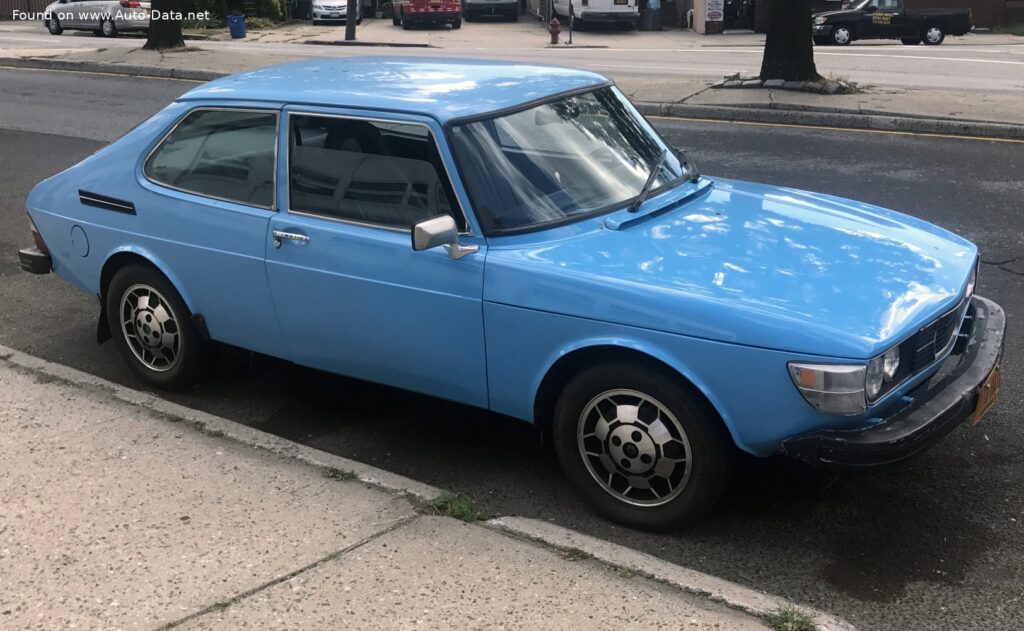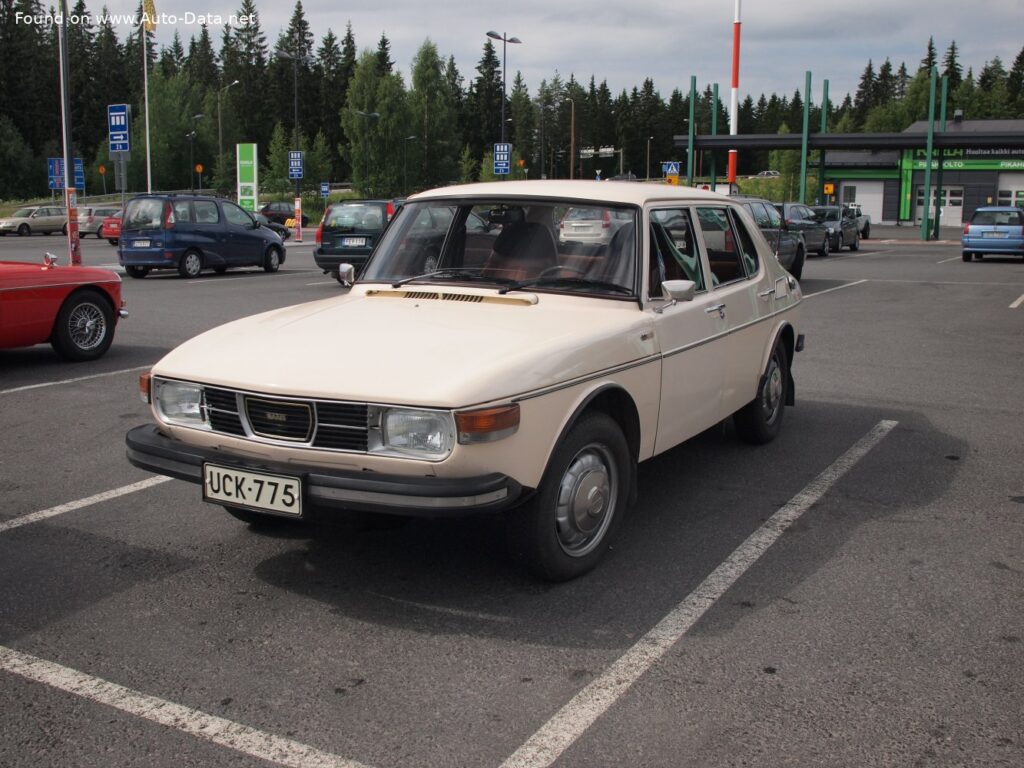
The Saab 99, particularly the 2.0 EMS variant produced between 1972 and 1974, represents a pivotal moment in the Swedish automaker’s history. This compact sedan was Saab’s first foray into higher volume production, moving away from the more specialized and limited-run models that characterized its earlier years. The 99 wasn’t just a new car for Saab; it was a statement of intent, demonstrating the company’s commitment to innovation in safety, aerodynamics, and driver-focused design. While not initially a major player in the US market, the Saab 99 established a loyal following among those seeking a distinctive and thoughtfully engineered automobile.
The Saab 99 2.0 EMS: A Landmark Vehicle
The 99 series, launched in 1967, was a radical departure for Saab, which had previously been known for its aircraft-inspired designs and relatively small production volumes. The 2.0 EMS (which stands for Electronic Management System, though it utilized a carburetor) was an important upgrade, offering increased power and refinement. It was positioned as a practical, yet sophisticated, family car, appealing to buyers who valued safety and a unique driving experience. The EMS version, with its 110 horsepower, represented a sweet spot in the range, balancing performance with fuel economy. The Saab 99 was a key model in establishing Saab’s reputation for quirky, innovative, and safe vehicles.
Engine & Performance
The heart of the Saab 99 2.0 EMS is its 1,985 cc (121.13 cubic inches) inline-four cylinder engine. This engine, designated the B20, produced 110 horsepower at 5,500 rpm and 167 Nm (123.17 lb.-ft.) of torque at 3,700 rpm. While the “EMS” designation suggests electronic fuel injection, this early iteration actually employed a sophisticated carburetor system. The engine’s transverse mounting, coupled with front-wheel drive, was a relatively uncommon configuration for the time, contributing to the car’s distinctive handling characteristics. The 0-60 mph acceleration time was approximately 11.4 seconds, and it could achieve a top speed of 170 km/h (105.63 mph). The power-to-weight ratio of 94.7 hp per tonne provided adequate performance for its intended market segment. The engine’s 9.2:1 compression ratio and DOHC valvetrain contributed to its relatively efficient operation.
Design & Features
The Saab 99 was a two-box sedan with a distinctive, aerodynamic profile. Its design prioritized practicality and visibility, with a large glass area and a relatively upright cabin. Safety was a paramount concern for Saab, and the 99 incorporated numerous features designed to protect its occupants. These included a reinforced safety cage, a collapsible steering column, and disc brakes on all four wheels – features that were ahead of their time in the early 1970s. The interior was functional and ergonomically designed, with a focus on driver comfort. The 99 offered seating for five passengers and featured a 45-liter (11.89 US gallons) fuel tank. The car’s relatively compact dimensions – 4,420 mm (174.02 inches) in length and 1,690 mm (66.54 inches) in width – made it easy to maneuver in urban environments. The Saab 99’s design, while understated, was instantly recognizable and contributed to its enduring appeal.
Technical Specifications
| Brand | Saab |
| Model | 99 |
| Generation | 99 |
| Type (Engine) | 2.0 EMS (110 Hp) |
| Start of production | 1972 |
| End of production | 1974 |
| Powertrain Architecture | Internal Combustion engine |
| Body type | Sedan |
| Seats | 5 |
| Doors | 4 |
| Fuel Type | Petrol (Gasoline) |
| Acceleration 0 – 100 km/h | 12 sec |
| Acceleration 0 – 62 mph | 12 sec |
| Acceleration 0 – 60 mph | 11.4 sec |
| Maximum speed | 170 km/h (105.63 mph) |
| Weight-to-power ratio | 10.6 kg/Hp, 94.7 Hp/tonne |
| Weight-to-torque ratio | 7 kg/Nm, 143.8 Nm/tonne |
| Power | 110 Hp @ 5500 rpm |
| Power per litre | 55.4 Hp/l |
| Torque | 167 Nm @ 3700 rpm (123.17 lb.-ft. @ 3700 rpm) |
| Engine layout | Front, Transverse |
| Engine Model/Code | B20 |
| Engine displacement | 1985 cm3 (121.13 cu. in.) |
| Number of cylinders | 4 |
| Engine configuration | Inline |
| Cylinder Bore | 90 mm (3.54 in.) |
| Piston Stroke | 78 mm (3.07 in.) |
| Compression ratio | 9.2:1 |
| Number of valves per cylinder | 2 |
| Fuel injection system | Carburettor |
| Engine aspiration | Naturally aspirated engine |
| Valvetrain | DOHC |
| Engine oil capacity | 3.5 l (3.7 US qt | 3.08 UK qt) |
| Coolant | 9.5 l (10.04 US qt | 8.36 UK qt) |
| Kerb Weight | 1161 kg (2559.57 lbs) |
| Fuel tank capacity | 45 l (11.89 US gal | 9.9 UK gal) |
| Length | 4420 mm (174.02 in.) |
| Width | 1690 mm (66.54 in.) |
| Height | 1435 mm (56.5 in.) |
| Wheelbase | 2477 mm (97.52 in.) |
| Front track | 1403 mm (55.24 in.) |
| Rear (Back) track | 1430 mm (56.3 in.) |
| Drivetrain Architecture | The Internal combustion engine (ICE) drives the front wheels of the vehicle. |
| Drive wheel | Front wheel drive |
| Number of gears and type of gearbox | 4 gears, manual transmission |
| Front brakes | Disc |
| Rear brakes | Disc |
| Steering type | Steering rack and pinion |
The Saab 99 2.0 EMS, while a relatively modest car by today’s standards, was a significant achievement for Saab. It laid the foundation for the company’s future success and cemented its reputation as a manufacturer of innovative, safe, and driver-focused automobiles. Its blend of practicality, performance, and distinctive styling continues to appeal to enthusiasts and collectors today, ensuring its place in automotive history.