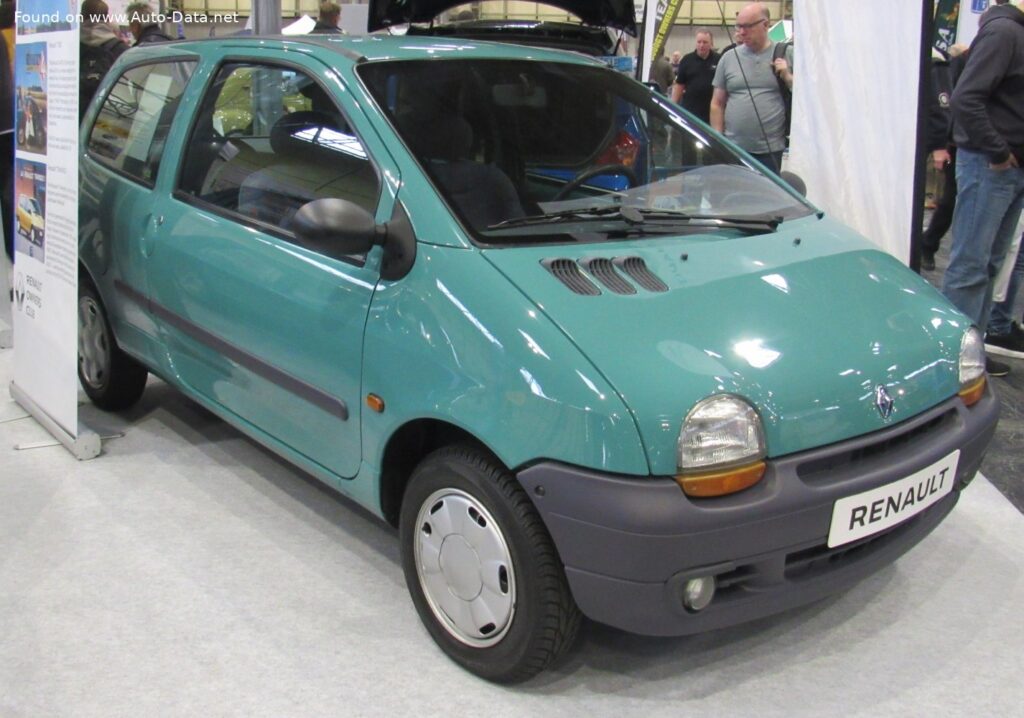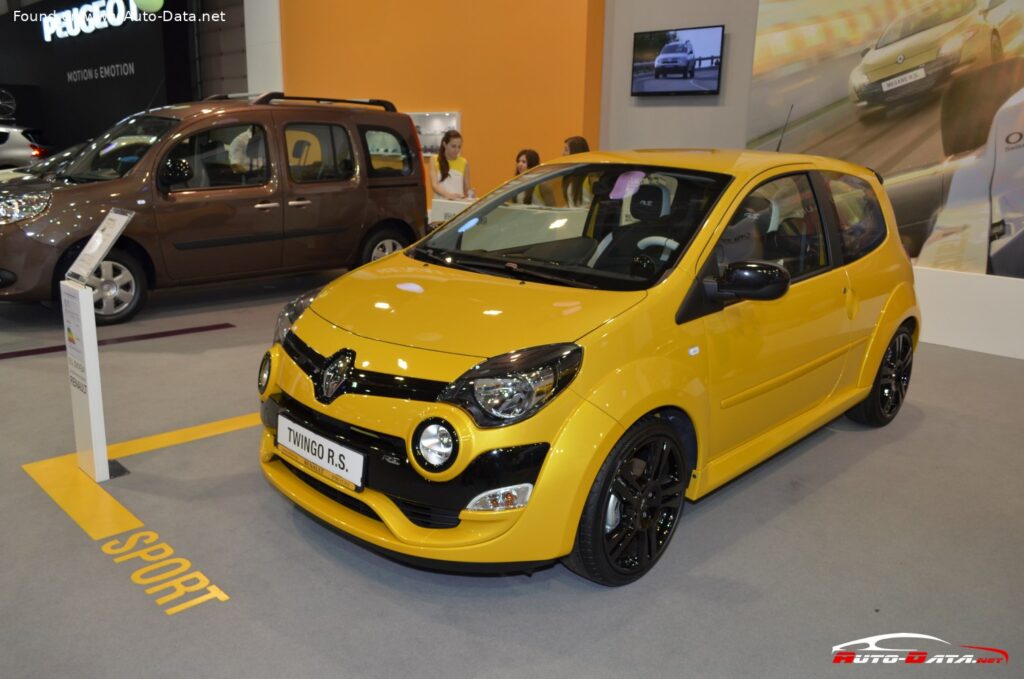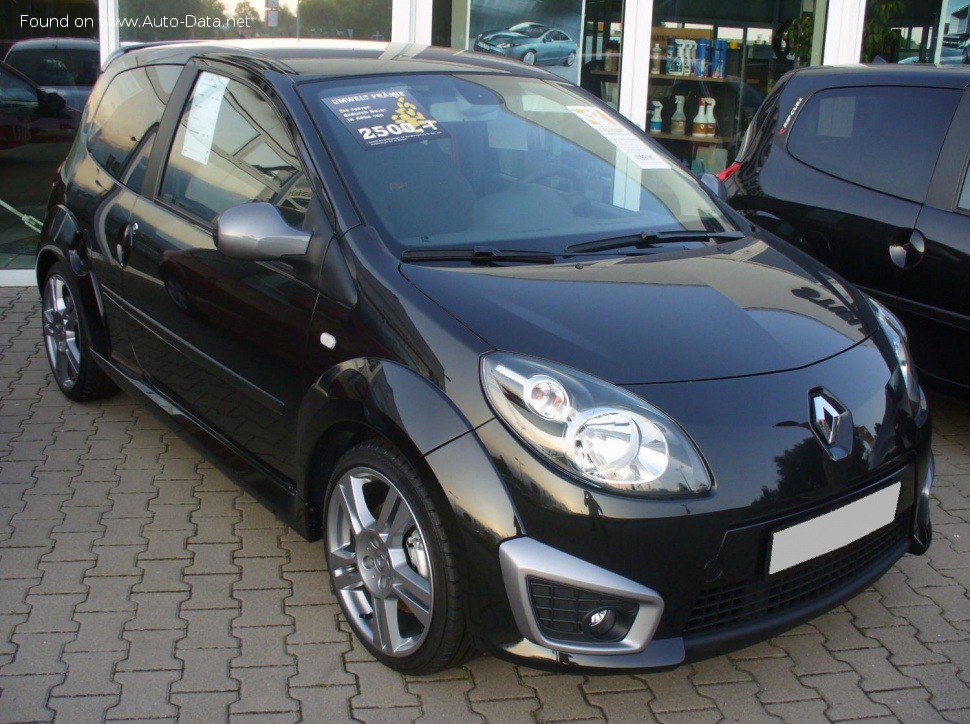
The Renault Twingo II 1.2, produced from 2007 to 2011, represents the second generation of Renault’s popular city car. Designed as a compact and affordable hatchback, the Twingo II primarily targeted the European market, offering a practical and economical transportation solution for urban environments. While not officially sold in the United States, the Twingo II exemplifies the European approach to small car design, prioritizing fuel efficiency, maneuverability, and ease of parking. This generation marked a significant evolution from the original Twingo, offering a more refined interior, improved safety features, and a wider range of engine options, including the 1.2-liter petrol engine discussed here.
Renault Twingo II 1.2: An Overview
The Twingo II was positioned as a direct competitor to vehicles like the Fiat Panda, Peugeot 107, and Citroën C1. Its three-door hatchback configuration and relatively small footprint made it ideal for navigating congested city streets. The 1.2-liter engine variant, producing 58 horsepower, was a popular choice for buyers seeking a balance between affordability and adequate performance for everyday driving. The Twingo II aimed to provide a comfortable and functional experience for drivers and passengers, despite its compact dimensions.
Engine & Performance
The Renault Twingo II 1.2 is powered by a 1.149-liter (70.12 cubic inches) inline four-cylinder petrol engine, designated the D7F. This naturally aspirated engine produces a maximum power output of 58 horsepower at 5250 rpm and 93 Nm (68.59 lb-ft) of torque at 2500 rpm. While not a performance-oriented engine, it provides sufficient power for urban and suburban driving. The engine features a multi-port fuel injection system and an overhead camshaft (OHC) valvetrain with two valves per cylinder. Acceleration from 0 to 100 km/h (0-62 mph) takes approximately 15 seconds, and it achieves a top speed of 150 km/h (93.21 mph). The engine’s fuel economy is a key selling point, achieving approximately 5.5 liters per 100 kilometers (42.8 US mpg) on a combined cycle. The weight-to-power ratio is 17.2 kg/Hp, and the weight-to-torque ratio is 10.8 kg/Nm.
Design & Features
The Twingo II boasts a distinctive and modern design for its time. Its rounded body shape and relatively large windows contribute to a spacious feel inside, despite its compact exterior dimensions. As a three-door hatchback, access to the rear seats requires folding the front seats forward. The interior is designed with practicality in mind, featuring durable materials and a functional layout. Safety features, while not as comprehensive as those found in larger vehicles, include an Anti-lock Braking System (ABS). The trunk offers 230 liters (8.12 cubic feet) of space with the rear seats up, expanding to 959 liters (33.87 cubic feet) when folded down. The hydraulic power steering and a turning circle of 9.85 meters (32.32 feet) make it exceptionally easy to maneuver in tight spaces. The vehicle rides on 14-inch wheels with 165/65 R14 tires.
Technical Specifications
| Brand | Renault |
| Model | Twingo |
| Generation | Twingo II |
| Type (Engine) | 1.2 (58 Hp) |
| Start of production | 2007 |
| End of production | 2011 |
| Powertrain Architecture | Internal Combustion engine |
| Body type | Hatchback |
| Seats | 4 |
| Doors | 3 |
| Fuel consumption (urban) | 7.1 l/100 km (33.1 US mpg) |
| Fuel consumption (extra urban) | 4.6 l/100 km (51.1 US mpg) |
| Fuel consumption (combined) | 5.5 l/100 km (42.8 US mpg) |
| Fuel Type | Petrol (Gasoline) |
| Acceleration 0 – 100 km/h | 15 sec |
| Acceleration 0 – 62 mph | 15 sec |
| Acceleration 0 – 60 mph | 14.3 sec |
| Maximum speed | 150 km/h (93.21 mph) |
| Emission standard | Euro 4 |
| Weight-to-power ratio | 17.2 kg/Hp |
| Weight-to-torque ratio | 10.8 kg/Nm |
| Power | 58 Hp @ 5250 rpm |
| Torque | 93 Nm @ 2500 rpm (68.59 lb.-ft. @ 2500 rpm) |
| Engine layout | Front, Transverse |
| Engine Model/Code | D7F |
| Engine displacement | 1149 cm3 (70.12 cu. in.) |
| Number of cylinders | 4 |
| Engine configuration | Inline |
| Cylinder Bore | 69 mm (2.72 in.) |
| Piston Stroke | 76.8 mm (3.02 in.) |
| Compression ratio | 9.6:1 |
| Number of valves per cylinder | 2 |
| Fuel injection system | Multi-port manifold injection |
| Engine aspiration | Naturally aspirated |
| Valvetrain | OHC |
| Engine oil capacity | 4 l (4.23 US qt | 3.52 UK qt) |
| Coolant capacity | 5.5 l (5.81 US qt | 4.84 UK qt) |
| Kerb Weight | 1000 kg (2204.62 lbs.) |
| Max. weight | 1345 kg (2965.22 lbs.) |
| Max load | 345 kg (760.59 lbs.) |
| Trunk (boot) space – minimum | 230 l (8.12 cu. ft.) |
| Trunk (boot) space – maximum | 959 l (33.87 cu. ft.) |
| Fuel tank capacity | 40 l (10.57 US gal | 8.8 UK gal) |
| Length | 3602 mm (141.81 in.) |
| Width | 1665 mm (65.55 in.) |
| Height | 1470 mm (57.87 in.) |
| Wheelbase | 2367 mm (93.19 in.) |
| Minimum turning circle | 9.85 m (32.32 ft.) |
| Drivetrain | Front wheel drive |
| Number of gears | 5 gears, manual transmission |
| Front suspension | Wishbone |
| Rear suspension | Coil spring |
| Front brakes | Disc |
| Rear brakes | Drum |
| Assisting systems | ABS (Anti-lock braking system) |
| Steering type | Steering rack and pinion |
| Power steering | Hydraulic |
| Tires size | 165/65 R14 |
| Wheel rims size | 14 |
The Renault Twingo II 1.2, while not a high-performance vehicle, offered a compelling package for buyers seeking an affordable, fuel-efficient, and maneuverable city car. Its practicality, combined with Renault’s reputation for reliability, made it a popular choice in the European market during its production run.