
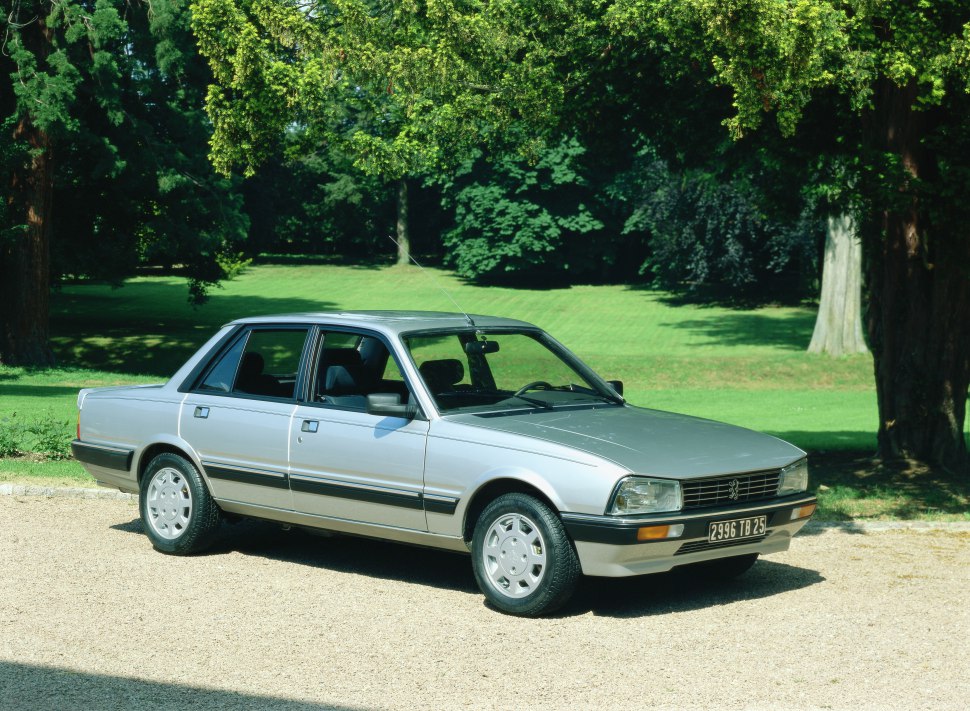
The Peugeot 505, specifically the 551A variant powered by the 2.2-liter engine producing 116 horsepower, represents a significant evolution in Peugeot’s large family car lineage. Introduced in 1981 and continuing through 1984 in this initial configuration, the 505 was designed to replace the aging Peugeot 504. It aimed to offer a more modern, comfortable, and technologically advanced experience while maintaining Peugeot’s reputation for robust engineering and distinctive styling. While never officially sold in the United States, the 505 achieved considerable success in Europe, South America, and Australia, becoming a popular choice for families and professionals seeking a reliable and sophisticated vehicle. The 505 marked a shift towards greater refinement and safety features compared to its predecessor, establishing a benchmark in its segment during its production run.
Peugeot 505 (551A) 2.2: A Detailed Overview
The 505 was a crucial model for Peugeot, representing a substantial investment in design and engineering. It was intended to compete with vehicles like the Mercedes-Benz W123, BMW E28 5 Series, and Ford Granada, offering a blend of French flair and practicality. The 551A designation refers to the early production models featuring the 2.2-liter engine. This engine was chosen for its balance of performance and fuel economy, making it suitable for a wide range of driving conditions. The 505’s design, penned by Pininfarina, was a departure from the more angular styling of the 504, adopting a more streamlined and contemporary aesthetic. The car’s success lay in its ability to combine comfort, durability, and a relatively affordable price point, making it a compelling option in a competitive market.
Engine & Performance
The heart of the Peugeot 505 (551A) 2.2 is the 851 ZDJ engine, a 2.2-liter naturally aspirated inline-four cylinder gasoline engine. This powerplant delivers 116 horsepower, providing adequate performance for comfortable cruising and everyday driving. While not a sports car, the 505 2.2 offered a respectable level of acceleration and a relaxed driving experience. The engine is characterized by its robust construction and relatively simple design, contributing to its reliability. It utilizes a single overhead camshaft and a two-barrel carburetor for fuel delivery. The engine’s torque output, while not exceptionally high, is sufficient for maintaining highway speeds and tackling moderate inclines. The powertrain is coupled with either a four-speed manual or a three-speed automatic transmission, allowing drivers to choose a configuration that suits their preferences. The 505’s suspension system, featuring independent front suspension and a torsion beam rear axle, contributes to a comfortable ride quality and predictable handling. The car’s braking system consists of disc brakes on the front wheels and drum brakes on the rear, providing adequate stopping power for its weight and performance.
Design & Features
The Peugeot 505 (551A) is a four-door sedan characterized by its elegant and understated design. Pininfarina’s influence is evident in the car’s clean lines, balanced proportions, and overall aesthetic appeal. The body features a relatively low-slung profile and a spacious interior. The interior of the 505 was designed with comfort and practicality in mind. It offered ample space for passengers and luggage, making it suitable for long journeys. The seats were typically upholstered in cloth or vinyl, and the dashboard featured a straightforward layout with clearly labeled controls. While not laden with advanced technology by modern standards, the 505 offered a range of features considered desirable for its time. These included power-assisted steering, central locking, and electric windows on higher-spec models. Safety features, while limited compared to contemporary vehicles, included seat belts and a robust body structure designed to absorb impact energy. The 505’s build quality was generally considered to be high, with attention paid to detail and durability. The car’s exterior styling was further enhanced by features such as chrome trim, distinctive headlights, and a prominent grille. The 505’s design represented a significant step forward for Peugeot, establishing a new benchmark for style and sophistication in the large family car segment.
Technical Specifications
| Brand | Peugeot |
| Model | 505 |
| Generation | 505 (551A) |
| Type (Engine) | 2.2 (116 Hp) |
| Start of production | 1981 |
| End of production | 1984 |
| Powertrain Architecture | Internal Combustion engine |
| Body type | Sedan |
| Fuel Type | Petrol (Gasoline) |
| Power | 116 Hp |
| Engine Model/Code | 851 ZDJ |
| Engine aspiration | Naturally aspirated engine |
| Engine oil capacity | 5.5 l / 5.81 US qt | 4.84 UK qt |
| Coolant capacity | 7.5 l / 7.93 US qt | 6.6 UK qt |
The Peugeot 505 (551A) 2.2, despite not being officially marketed in the United States, remains a respected and admired vehicle among automotive enthusiasts. Its blend of French design, robust engineering, and comfortable driving experience cemented its place as a significant player in the European and international automotive landscape. The 505’s legacy continues to endure, representing a high point in Peugeot’s history and a testament to the enduring appeal of well-engineered and stylish automobiles. Later iterations of the 505 would see the introduction of diesel engines, turbocharging, and further refinements to the design and features, but the 551A model remains a particularly cherished example of the original vision for this iconic vehicle.
