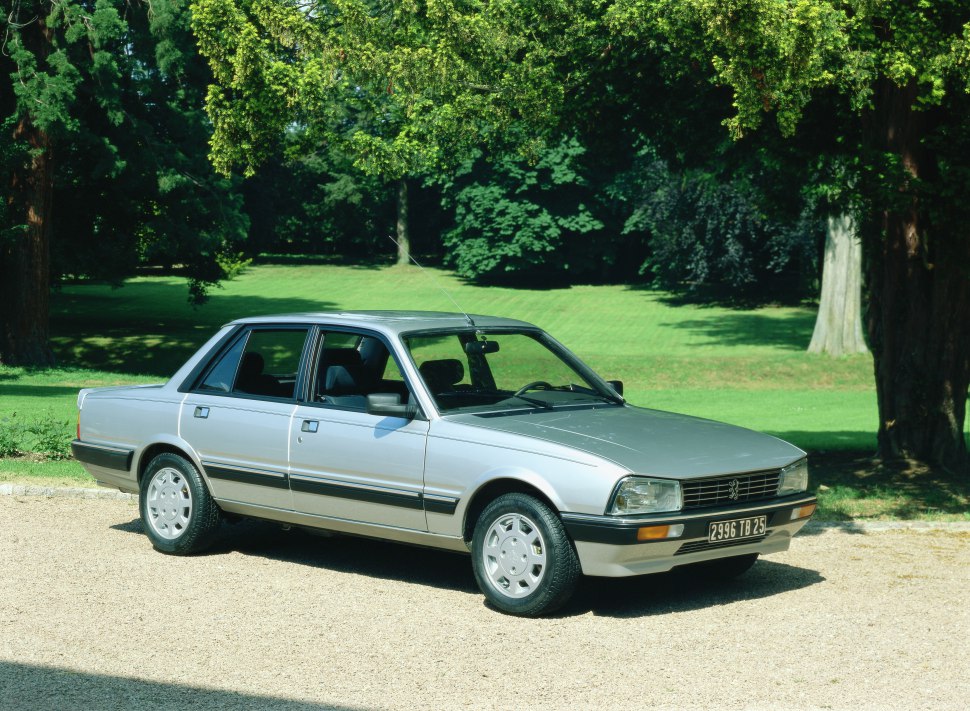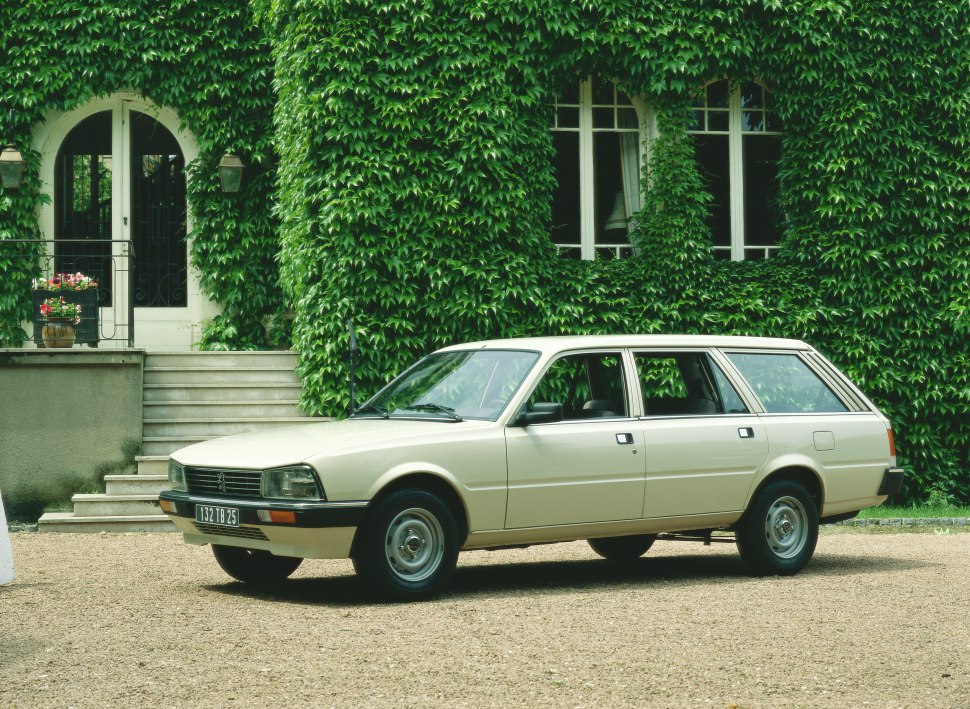
The Peugeot 505 Break (551D) 2.0, produced from 1988 to 1994, represents the station wagon variant of Peugeot’s executive car, the 505. While not widely sold in the United States, the 505 held a significant position in the European market as a comfortable, reliable, and stylish alternative to German and British offerings. The “Break” designation, common for Peugeot station wagons, signified its practicality and spaciousness. This model, equipped with a 2.0-liter engine producing 82 horsepower, aimed to balance fuel efficiency with adequate performance for long-distance touring, a common requirement for European drivers. The 505, in all its forms, was Peugeot’s last rear-wheel-drive passenger car, marking the end of an era for the French manufacturer.
Peugeot 505 Break (551D): A Detailed Overview
The 505 was introduced in 1978 as a replacement for the Peugeot 504, and quickly gained a reputation for its robust construction and refined driving experience. The Break version, introduced shortly after the sedan, catered to families and those needing increased cargo capacity. The 551D specifically denotes the later-production models with the 2.0-liter engine. The 505 was designed to compete with vehicles like the BMW 5 Series, Mercedes-Benz E-Class, and Volvo 240, offering a distinctly French approach to luxury and practicality. Its enduring appeal lies in its combination of classic styling, mechanical simplicity, and a loyal following among enthusiasts.
Engine & Performance
The heart of the 505 Break 2.0 is a naturally aspirated, 2.0-liter (2000 cm3 or 122.05 cubic inches) inline-four cylinder engine. This engine produced 82 horsepower, resulting in a power-to-liter ratio of 41 horsepower per liter. While not a performance powerhouse by modern standards, the engine delivered sufficient power for comfortable cruising and everyday driving. The engine utilized a carburetor fuel injection system, a common technology for the period, providing reliable fuel delivery. Power is sent to the rear wheels via a five-speed manual transmission, offering drivers full control over the vehicle’s performance. The rear-wheel-drive configuration contributed to balanced handling and a traditional driving feel. Acceleration was modest, but the engine’s torque characteristics made it well-suited for maintaining highway speeds. The 505 was not designed for rapid acceleration, but rather for relaxed and efficient long-distance travel.
Design & Features
The Peugeot 505 Break’s design is characterized by its clean lines, elegant proportions, and understated sophistication. The station wagon body style, or “estate” as it’s often called in Europe, maximized interior space and cargo capacity. The 505 Break featured five doors for easy access to both the passenger compartment and the expansive cargo area. The exterior styling incorporated design cues typical of the late 1980s, including a relatively flat roofline, rectangular headlights, and a prominent grille. Inside, the 505 Break offered a comfortable and well-appointed cabin, with seating for five passengers. Features included hydraulic power steering, providing a light and responsive steering feel. Safety features, while limited by the standards of the time, included front disc brakes and rear drum brakes. The suspension system, utilizing spring struts at both the front and rear, provided a comfortable ride quality, absorbing bumps and irregularities in the road surface. The 551D model benefitted from incremental improvements made throughout the 505’s production run, enhancing its overall refinement and reliability.
Legacy and Market Position
The Peugeot 505, and particularly the Break variant, enjoyed considerable success in Europe, where it was valued for its practicality, comfort, and distinctive style. It served as a popular choice for families, professionals, and those seeking a reliable and spacious vehicle for long journeys. The 505’s rear-wheel-drive layout and robust mechanicals appealed to drivers who appreciated a traditional driving experience. While never achieving significant sales volume in the United States, the 505 gained a cult following among enthusiasts who appreciated its unique character and French flair. Today, well-maintained examples of the 505 Break are increasingly sought after by collectors and classic car enthusiasts, recognizing its significance as a landmark vehicle in Peugeot’s history.
Technical Specifications
| Brand | Peugeot |
| Model | 505 |
| Generation | 505 Break (551D) |
| Type (Engine) | 2.0 (82 Hp) |
| Start of production | 1988 |
| End of production | 1994 |
| Powertrain Architecture | Internal Combustion engine |
| Body type | Station wagon (estate) |
| Doors | 5 |
| Fuel Type | Petrol (Gasoline) |
| Power | 82 Hp |
| Power per litre | 41 Hp/l |
| Engine displacement | 2000 cm3 |
| Engine displacement (US) | 122.05 cu. in. |
| Number of cylinders | 4 |
| Cylinder Bore | 88 mm |
| Cylinder Bore (US) | 3.46 in. |
| Fuel injection system | Carburettor |
| Engine aspiration | Naturally aspirated engine |
| Fuel tank capacity | 55 l |
| Fuel tank capacity (US) | 14.53 US gal |
| Fuel tank capacity (UK) | 12.1 UK gal |
| Drivetrain Architecture | The Internal combustion engine (ICE) drives the rear wheels of the vehicle. |
| Drive wheel | Rear wheel drive |
| Number of gears and type of gearbox | 5 gears, manual transmission |
| Front suspension | Spring Strut |
| Rear suspension | Spring Strut |
| Front brakes | Disc |
| Rear brakes | Drum |
| Power steering | Hydraulic Steering |