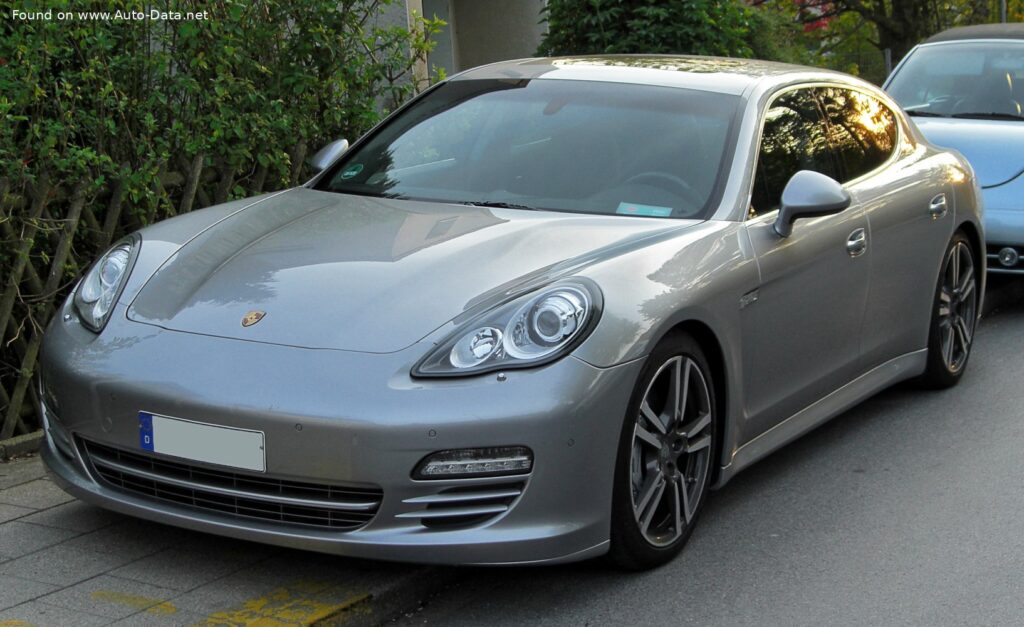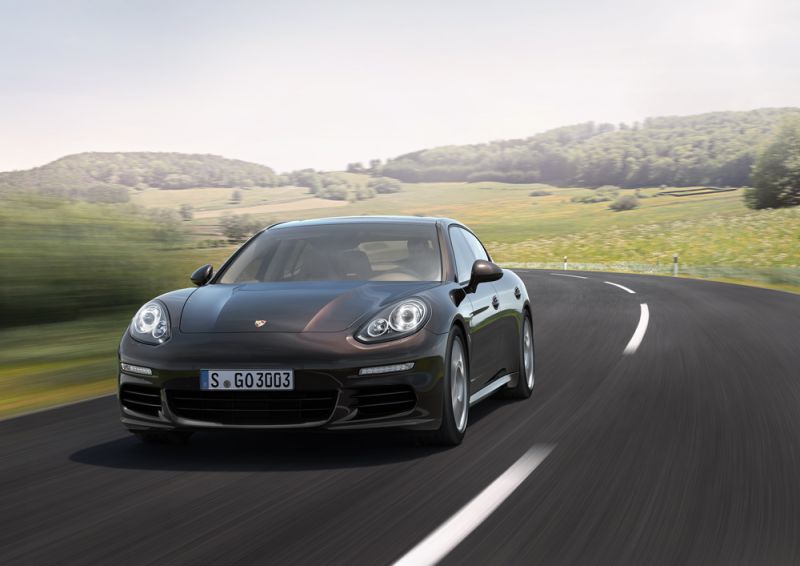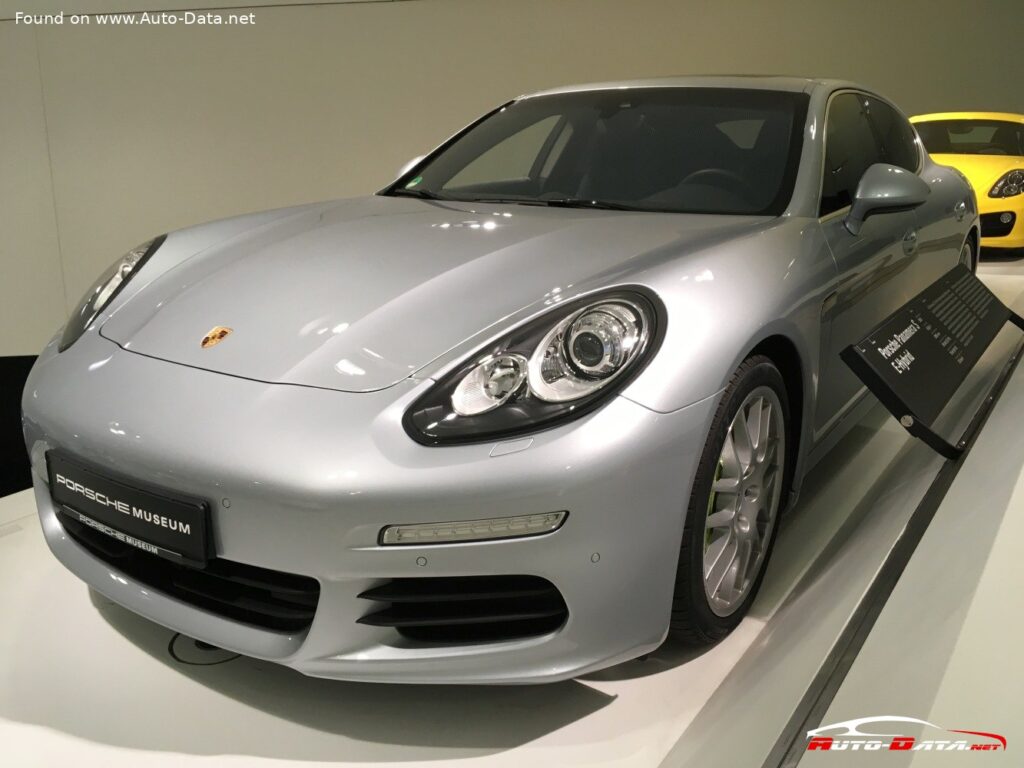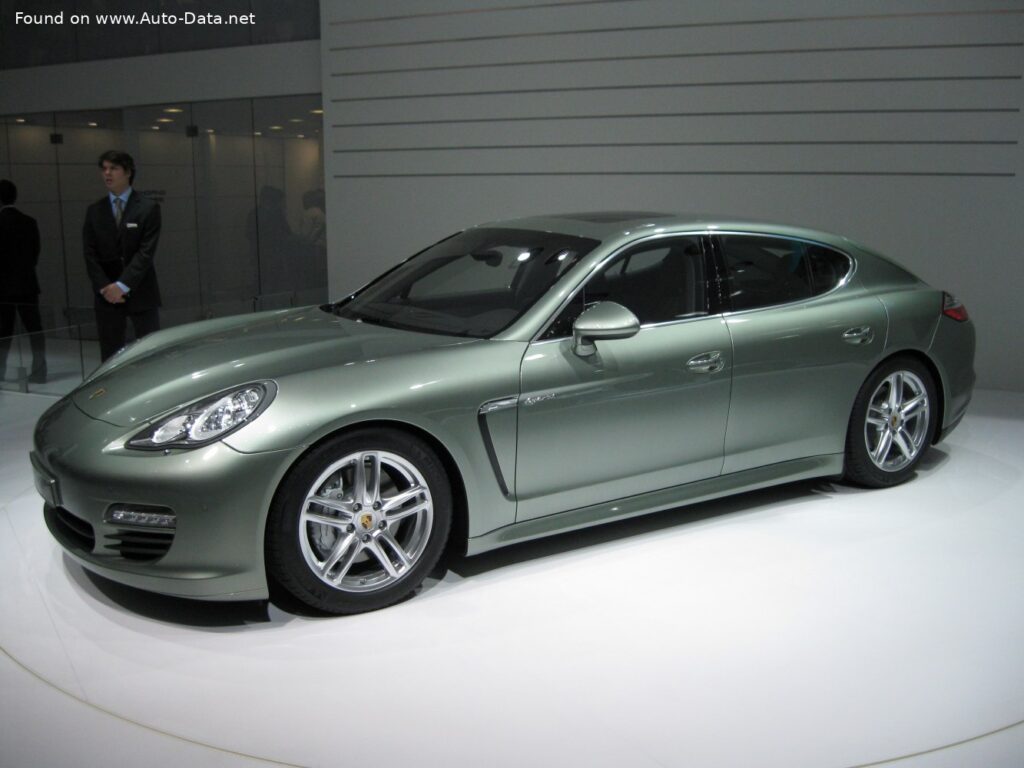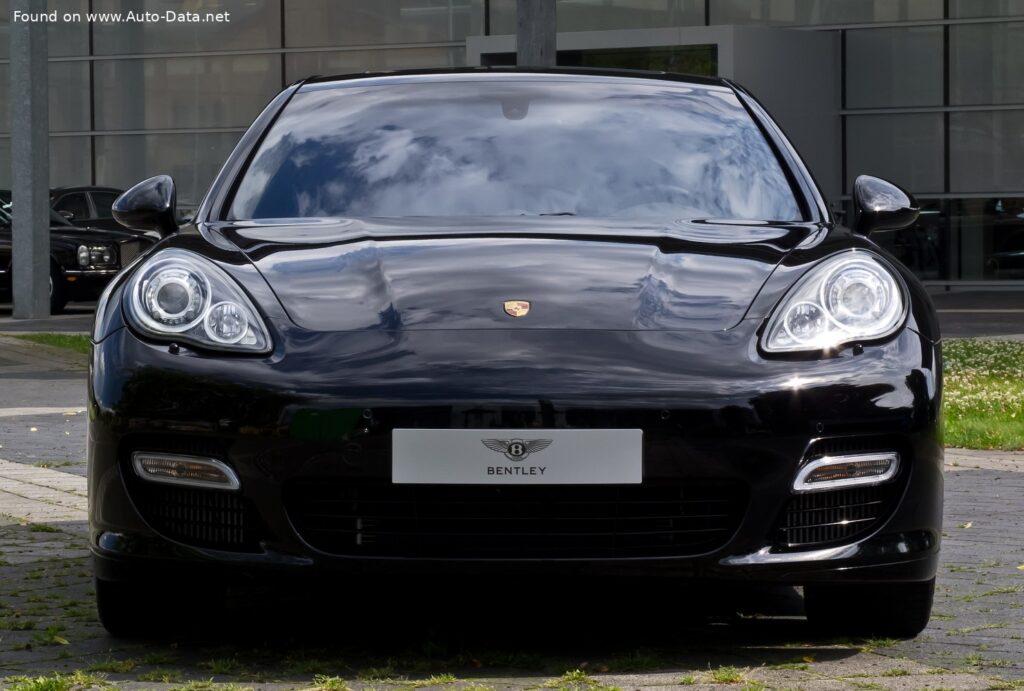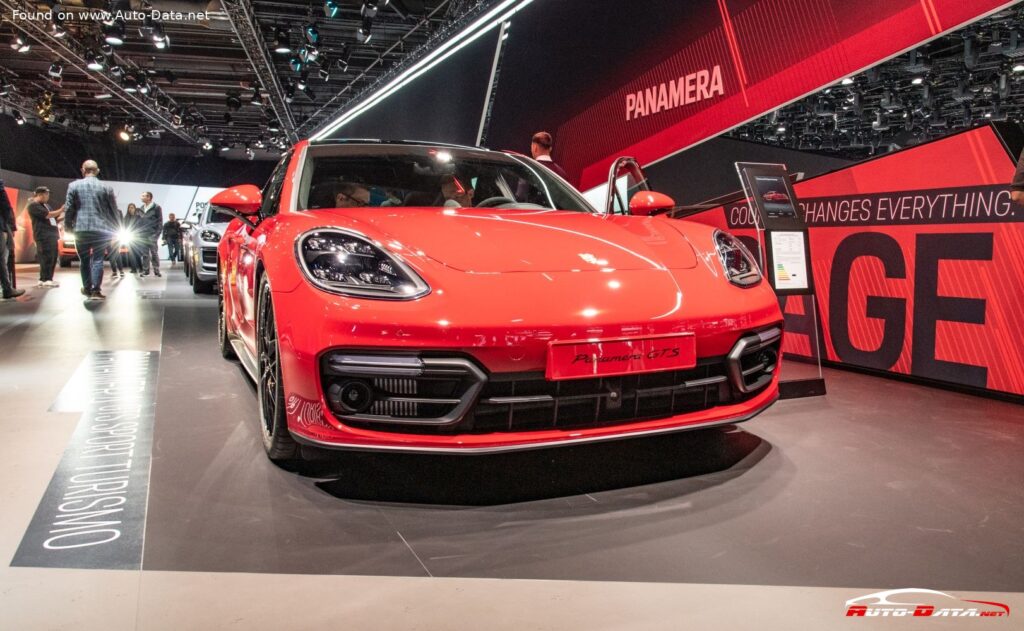
The Porsche Panamera (G2) Sport Turismo 4 3.0 V6 (330 Hp) PDK, produced from 2017 to 2018, represents Porsche’s foray into the luxury performance wagon segment. Building upon the success of the second-generation Panamera (G2) launched in 2016, the Sport Turismo variant expands practicality with a station wagon (estate) body style without sacrificing the driving dynamics Porsche is renowned for. This model specifically caters to buyers seeking a versatile vehicle capable of delivering both exhilarating performance and everyday usability. While the Panamera was always primarily a European market vehicle, its appeal and price point allowed for limited US sales, competing with high-end offerings from brands like Mercedes-Benz and Audi.
Porsche Panamera (G2) Sport Turismo: An Overview
The G2 generation Panamera marked a significant departure from its predecessor, adopting a more contemporary design language and a new platform. The Sport Turismo further refined this approach, offering increased cargo capacity and a subtly altered roofline that enhances both aesthetics and rear passenger headroom. The “4” designation indicates Porsche’s all-wheel-drive system, and the 3.0 V6 denotes the engine configuration and displacement. The PDK (Porsche Doppelkupplung) transmission is a seven-speed dual-clutch automated manual transmission, known for its rapid shifts and efficiency.
Engine & Performance
At the heart of the Panamera Sport Turismo 4 3.0 V6 lies a 2.995-liter twin-turbocharged V6 engine, producing 330 horsepower at 5400-6400 rpm and 450 Newton-meters (331.9 lb-ft) of torque between 1340 and 4900 rpm. This engine, part of Porsche’s EA839 family, utilizes direct fuel injection and an intercooler to optimize performance and efficiency. The engine’s longitudinal front-engine layout contributes to balanced handling. Coupled with the PDK transmission and all-wheel-drive system, the Sport Turismo achieves a 0-100 km/h (0-62 mph) acceleration time of 5.3 seconds, and a 0-60 mph time of approximately 5 seconds. Its top speed is electronically limited to 259 km/h (160.94 mph). The weight-to-power ratio of 5.7 kg/Hp and weight-to-torque ratio of 4.2 kg/Nm highlight the vehicle’s performance capabilities. Fuel economy is rated at 7.8-7.9 l/100 km combined (30.2-29.8 US mpg), with CO2 emissions ranging from 178-180 g/km, meeting Euro 6 emission standards.
Design & Features
The Panamera Sport Turismo 4 3.0 V6 boasts a sleek, wagon-inspired design. Its five-door configuration and spacious interior comfortably accommodate five passengers. The Sport Turismo’s defining feature is its extended roofline, which seamlessly integrates into the rear hatch, providing a generous 520 liters (18.36 cu ft) of cargo space, expandable to 1390 liters (49.09 cu ft) with the rear seats folded down. The vehicle’s dimensions – 5049 mm (198.78 in) in length, 1937 mm (76.26 in) in width, and 1428 mm (56.22 in) in height – position it as a large, luxurious vehicle. Standard features include a sophisticated infotainment system, premium leather upholstery, and a range of advanced driver-assistance systems, including ABS, and electric power steering. The drag coefficient of 0.29 contributes to aerodynamic efficiency. The vehicle’s kerb weight is 1880 kg (4144.69 lbs), with a maximum permissible weight of 2550 kg (5621.79 lbs).
Technical Specifications
| Brand | Porsche |
| Model | Panamera |
| Generation | Panamera (G2) Sport Turismo |
| Type (Engine) | 4 3.0 V6 (330 Hp) PDK |
| Start of production | 2017 |
| End of production | August, 2018 |
| Powertrain Architecture | Internal Combustion engine |
| Body type | Station wagon (estate) |
| Seats | 5 |
| Doors | 5 |
| Fuel consumption (economy) – urban | 9.9-10.0 l/100 km (23.8 – 23.5 US mpg) |
| Fuel consumption (economy) – extra urban | 6.6-6.7 l/100 km (35.6 – 35.1 US mpg) |
| Fuel consumption (economy) – combined | 7.8-7.9 l/100 km (30.2 – 29.8 US mpg) |
| CO2 emissions | 178-180 g/km |
| Fuel Type | Petrol (Gasoline) |
| Acceleration 0 – 100 km/h | 5.3 sec |
| Acceleration 0 – 62 mph | 5.3 sec |
| Acceleration 0 – 60 mph | 5 sec |
| Acceleration 0 – 200 km/h | 22.7 sec |
| Maximum speed | 259 km/h (160.94 mph) |
| Emission standard | Euro 6 |
| Weight-to-power ratio | 5.7 kg/Hp |
| Weight-to-torque ratio | 4.2 kg/Nm |
| Power | 330 Hp @ 5400-6400 rpm |
| Torque | 450 Nm @ 1340-4900 rpm (331.9 lb.-ft. @ 1340-4900 rpm) |
| Maximum engine speed | 6500 rpm |
| Engine layout | Front, Longitudinal |
| Engine displacement | 2995 cm3 (182.77 cu. in.) |
| Number of cylinders | 6 |
| Engine configuration | V-engine |
| Cylinder Bore | 84.5 mm (3.33 in.) |
| Piston Stroke | 89 mm (3.5 in.) |
| Compression ratio | 11.2:1 |
| Engine oil capacity | 7.2 l (7.61 US qt | 6.34 UK qt) |
| Kerb Weight | 1880 kg (4144.69 lbs.) |
| Max. weight | 2550 kg (5621.79 lbs.) |
| Max load | 670 kg (1477.1 lbs.) |
| Trunk (boot) space – minimum | 520 l (18.36 cu. ft.) |
| Trunk (boot) space – maximum | 1390 l (49.09 cu. ft.) |
| Fuel tank capacity | 75 l (19.81 US gal | 16.5 UK gal) |
| Length | 5049 mm (198.78 in.) |
| Width | 1937 mm (76.26 in.) |
| Height | 1428 mm (56.22 in.) |
| Wheelbase | 2950 mm (116.14 in.) |
| Drive wheel | All wheel drive (4×4) |
| Number of gears and type of gearbox | 8 gears, automatic transmission PDK |
The Porsche Panamera (G2) Sport Turismo 4 3.0 V6 PDK successfully blended the performance expected of the Porsche brand with the practicality of a wagon, offering a compelling option for discerning buyers seeking a versatile and luxurious grand tourer.