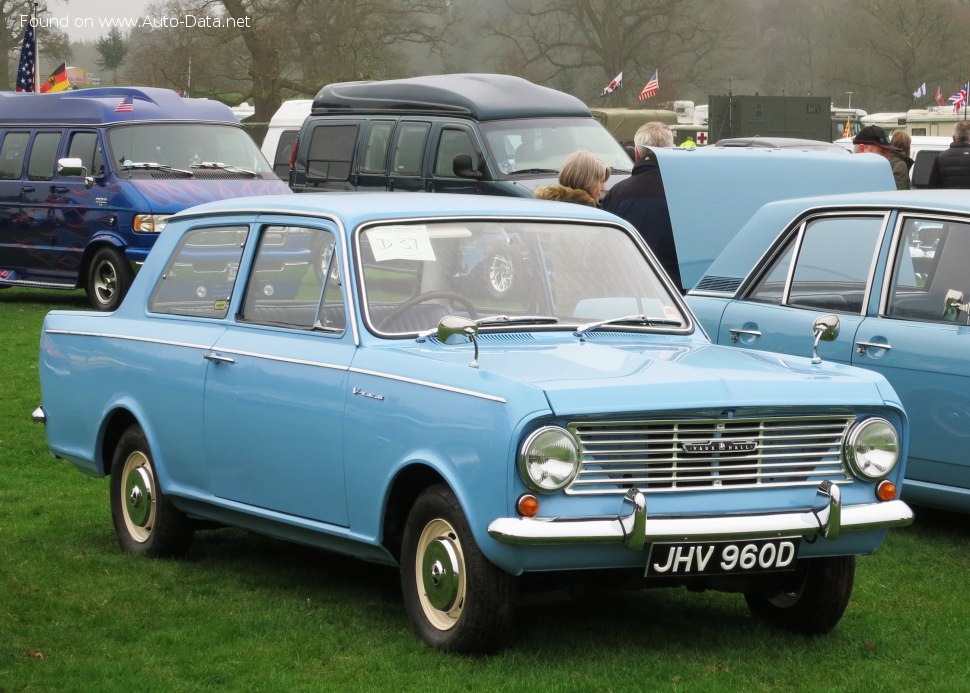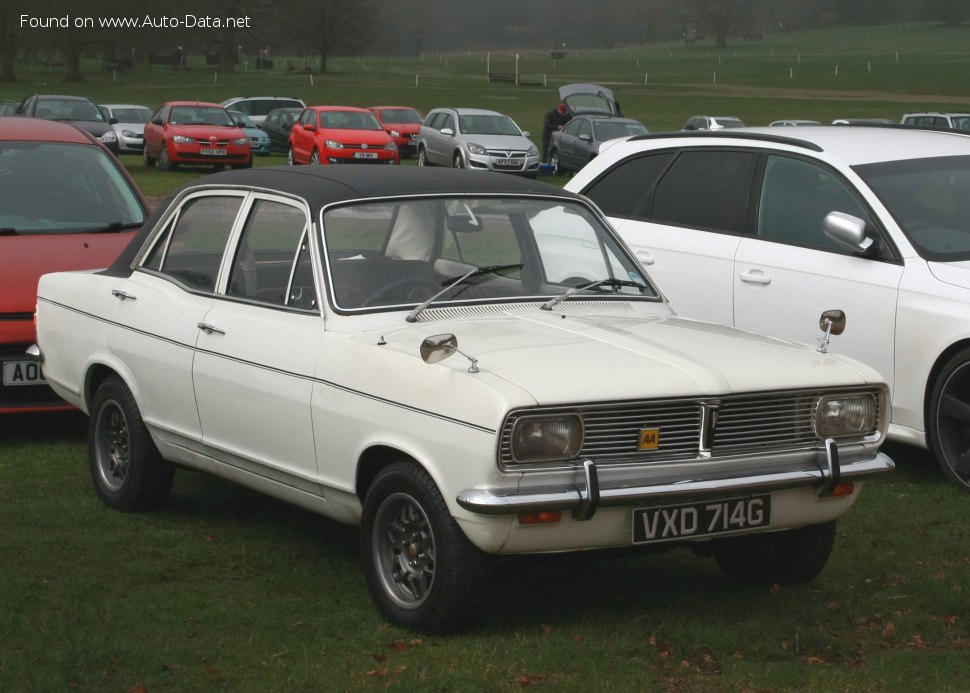
The Vauxhall Viva HB GT 2.0, produced between 1968 and 1970, represents a significant evolution of the Viva line, offering a sportier and more powerful option within the compact British car market. While the Vauxhall brand is not widely recognized in the United States, it was a major player in the UK automotive industry, eventually becoming part of General Motors. The Viva HB, and particularly the GT 2.0 variant, aimed to provide affordable motoring with a touch of performance and style, appealing to a growing segment of buyers seeking a practical yet engaging vehicle. This model occupied the small family car segment, competing with vehicles like the Ford Cortina and Hillman Imp.
Vauxhall Viva HB GT 2.0: A British Compact
The Viva HB was the second generation of the Viva, launched in 1966 as a replacement for the original Viva HA. The HB offered increased interior space, improved comfort, and a more modern design. The GT 2.0, introduced later in the HB’s production run, was the performance flagship of the range. It featured a larger engine and subtle styling enhancements to differentiate it from the standard models. The car was exclusively a two-door sedan, offering seating for four passengers. It was designed to be a practical and economical vehicle, but the GT 2.0 added a layer of driving enjoyment that set it apart.
Engine & Performance
The heart of the Viva HB GT 2.0 is its 2.0-liter inline-four cylinder engine, producing 114 horsepower at 5400 rpm and 172 Nm (126.86 lb.-ft.) of torque at 3400 rpm. This engine provided a noticeable performance boost compared to the smaller engines available in other Viva HB models. The power-to-weight ratio of 8.2 kg/Hp (121.4 Hp/tonne) and torque-to-weight ratio of 5.5 kg/Nm (183.2 Nm/tonne) contributed to a lively driving experience for its time. The engine utilizes a single overhead camshaft (SOHC) valvetrain and a compression ratio of 8.5:1. It’s a naturally aspirated engine, meaning it doesn’t employ forced induction like a turbocharger or supercharger. The engine requires 4.6 liters (4.86 US qt / 4.05 UK qt) of engine oil and 5.2 liters (5.49 US qt / 4.58 UK qt) of coolant. Power per liter is rated at 57.7 Hp/l. The engine’s power is delivered to the rear wheels via a four-speed manual transmission, providing the driver with direct control over gear selection.
Design & Features
The Vauxhall Viva HB GT 2.0 is a classic example of 1960s British automotive design. Its two-door sedan body style is characterized by clean lines, a relatively upright stance, and a modest chrome trim. The GT 2.0 received subtle styling cues to distinguish it from the standard Viva HB, such as a sporty grille and revised trim. The interior was functional and focused on providing comfortable seating for four passengers. While not lavishly equipped by modern standards, the Viva HB GT 2.0 offered essential features for its time, including basic instrumentation, comfortable seats, and a reasonably sized trunk with a capacity of 453 liters (16 cu. ft.). Safety features were limited compared to contemporary vehicles, reflecting the standards of the era. The steering is rack and pinion, offering responsive handling. The car’s relatively compact dimensions – 4094 mm (161.18 in.) in length, 1600 mm (62.99 in.) in width, and 1338 mm (52.68 in.) in height – made it easy to maneuver in urban environments.
Technical Specifications
| Brand | Vauxhall |
| Model | Viva |
| Generation | Viva HB |
| Type (Engine) | GT 2.0 (114 Hp) |
| Start of production | 1968 |
| End of production | 1970 |
| Powertrain Architecture | Internal Combustion engine |
| Body type | Sedan |
| Seats | 4 |
| Doors | 2 |
| Fuel Type | Petrol (Gasoline) |
| Weight-to-power ratio | 8.2 kg/Hp, 121.4 Hp/tonne |
| Weight-to-torque ratio | 5.5 kg/Nm, 183.2 Nm/tonne |
| Power | 114 Hp @ 5400 rpm |
| Power per litre | 57.7 Hp/l |
| Torque | 172 Nm @ 3400 rpm / 126.86 lb.-ft. @ 3400 rpm |
| Engine displacement | 1975 cm3 / 120.52 cu. in. |
| Number of cylinders | 4 |
| Engine configuration | Inline |
| Cylinder Bore | 95.25 mm / 3.75 in. |
| Piston Stroke | 69.24 mm / 2.73 in. |
| Compression ratio | 8.5:1 |
| Engine aspiration | Naturally aspirated engine |
| Valvetrain | SOHC |
| Engine oil capacity | 4.6 l / 4.86 US qt | 4.05 UK qt |
| Coolant | 5.2 l / 5.49 US qt | 4.58 UK qt |
| Kerb Weight | 939 kg / 2070.14 lbs |
| Trunk (boot) space – maximum | 453 l / 16 cu. ft |
| Fuel tank capacity | 36.37 l / 9.61 US gal | 8 UK gal |
| Length | 4094 mm / 161.18 in |
| Width | 1600 mm / 62.99 in |
| Height | 1338 mm / 52.68 in |
| Wheelbase | 2433 mm / 95.79 in |
| Front track | 1295 mm / 50.98 in |
| Rear (Back) track | 1295 mm / 50.98 in |
| Ride height (ground clearance) | 120 mm / 4.72 in |
| Minimum turning circle (turning diameter) | 9.7 m / 31.82 ft |
| Drivetrain Architecture | The Internal combustion engine (ICE) drives the rear wheels of the vehicle. |
| Drive wheel | Rear wheel drive |
| Number of gears and type of gearbox | 4 gears, manual transmission |
| Steering type | Steering rack and pinion |
The Vauxhall Viva HB GT 2.0, while not a high-volume seller, represents a charming and capable British compact car of its era. It offered a blend of practicality, affordability, and a touch of sporting flair, making it a popular choice for drivers seeking a reliable and enjoyable vehicle. Today, it is a sought-after classic car, appreciated by enthusiasts for its vintage appeal and historical significance.