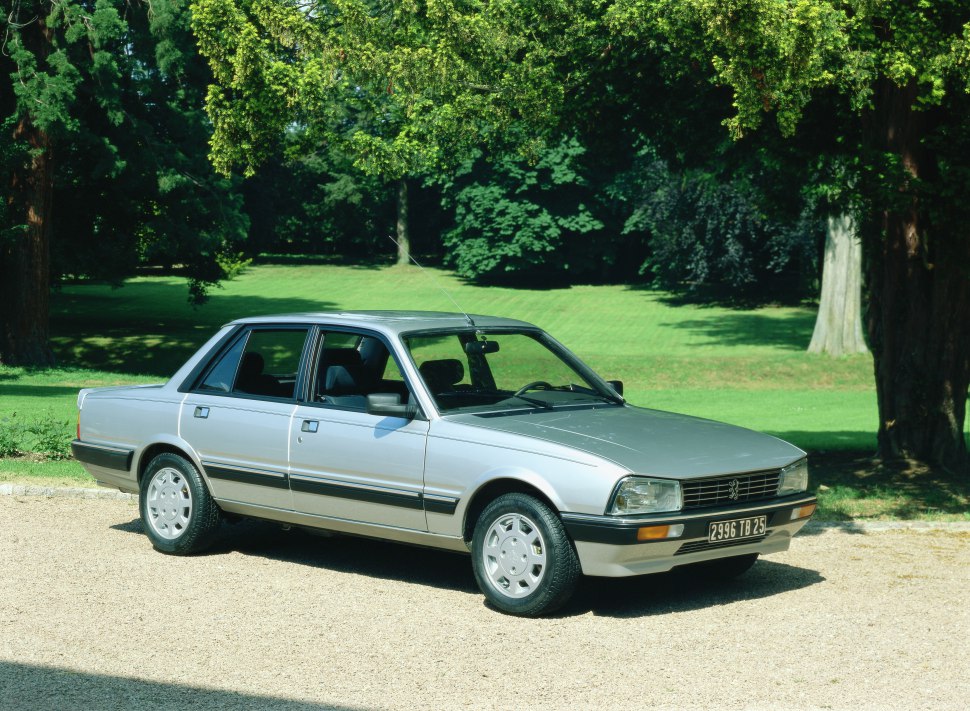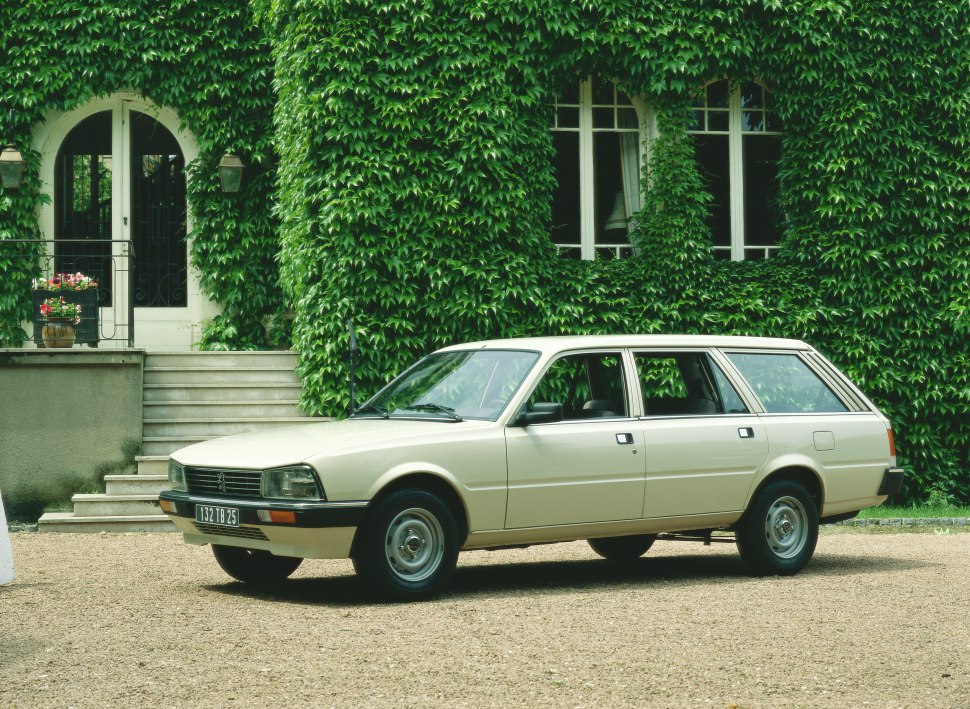
The Peugeot 505 Break (551D) 2.2 GTI, produced from 1985 to 1986, represents a refined iteration of Peugeot’s executive car line, specifically the station wagon (estate) variant. The 505, launched in 1978, was Peugeot’s replacement for the 504, and aimed to offer a more modern and comfortable driving experience while maintaining the brand’s reputation for robust engineering. The Break, or estate, body style provided increased practicality without sacrificing the 505’s inherent sophistication. The 2.2 GTI trim level signified a performance-oriented version, appealing to drivers seeking a blend of space, comfort, and spirited driving dynamics. While not officially sold in the United States, the 505 held a significant position in the European market as a competitor to vehicles like the Volvo 240, Audi 80 Avant, and BMW 5 Series Touring.
Peugeot 505 Break (551D) 2.2 GTI: A Detailed Overview
The 505 Break distinguished itself through its elegant Pininfarina-designed styling, a departure from the more angular designs of some contemporaries. The estate bodywork was seamlessly integrated, offering a generous cargo capacity and maintaining a balanced aesthetic. The GTI specification added subtle sporting cues, such as alloy wheels and revised interior trim, to differentiate it from more comfort-focused models. The 505, in general, was lauded for its comfortable ride, precise steering, and overall build quality, making it a popular choice for long-distance travel and family use in Europe.
Engine & Performance
The heart of the 505 Break 2.2 GTI is the 851B ZDJL 2.2-liter naturally aspirated inline-four cylinder gasoline engine. This engine produced 122 horsepower, providing a respectable level of performance for its time and body style. While not a high-output engine by modern standards, it delivered a smooth and tractable power delivery, well-suited to both city driving and highway cruising. The engine featured a single overhead camshaft and a Bosch fuel injection system, contributing to its efficiency and reliability.
Power was transmitted to the front wheels through either a five-speed manual or a three-speed automatic transmission. The manual gearbox allowed for greater driver control and engagement, while the automatic offered convenience, particularly in urban environments. The 505’s suspension, featuring independent front suspension with MacPherson struts and a torsion beam rear axle, provided a comfortable ride while maintaining good handling characteristics. The GTI trim often included stiffer suspension components and improved brakes compared to standard models, enhancing its dynamic capabilities. Performance figures for the 2.2 GTI Break were estimated to include a top speed of around 115 mph (185 km/h) and acceleration from 0 to 60 mph (0 to 97 km/h) in approximately 10.5 seconds. These figures were competitive within its segment during the mid-1980s.
Design & Features
The 505 Break’s design was a hallmark of its appeal. The Pininfarina styling resulted in a sleek and understated aesthetic, characterized by clean lines and a relatively low-slung profile for a station wagon. The estate bodywork extended the roofline to the rear, maximizing cargo space while maintaining a harmonious overall shape. The interior of the 505 Break was designed with comfort and practicality in mind. The cabin offered ample space for passengers and luggage, with comfortable seating and a well-laid-out dashboard.
The GTI trim level added several features to enhance the driving experience. These typically included upgraded upholstery, often featuring a sporty pattern, and additional instrumentation, such as a rev counter. Power steering and power-assisted brakes were standard equipment, contributing to ease of use. Safety features, while limited by the standards of the time, included seatbelts and a robust body structure. The 505 was considered a relatively safe vehicle for its era, benefiting from Peugeot’s commitment to engineering quality. The Break’s rear tailgate provided easy access to the cargo area, and the rear seats could be folded down to create an even larger loading space. The overall design philosophy of the 505 Break was to provide a sophisticated and practical vehicle that appealed to discerning buyers.
Technical Specifications
| Brand | Peugeot |
| Model | 505 |
| Generation | 505 Break (551D) |
| Type (Engine) | 2.2 GTI (122 Hp) |
| Start of production | 1985 |
| End of production | 1986 |
| Powertrain Architecture | Internal Combustion engine |
| Body type | Station wagon (estate) |
| Fuel Type | Petrol (Gasoline) |
| Power | 122 Hp |
| Engine Model/Code | 851B ZDJL |
| Engine aspiration | Naturally aspirated engine |
| Engine oil capacity | 5.5 l (5.81 US qt | 4.84 UK qt) |
| Coolant capacity | 7.5 l (7.93 US qt | 6.6 UK qt) |
The Peugeot 505 Break 2.2 GTI, while not a mainstream vehicle in the United States, remains a respected and admired car among enthusiasts. Its blend of elegant styling, comfortable ride, and robust engineering has ensured its enduring appeal. The Break variant, in particular, offered a practical and versatile option for families and individuals seeking a spacious and refined vehicle. The 505’s legacy continues to be celebrated by classic car owners and collectors who appreciate its timeless design and enduring quality.