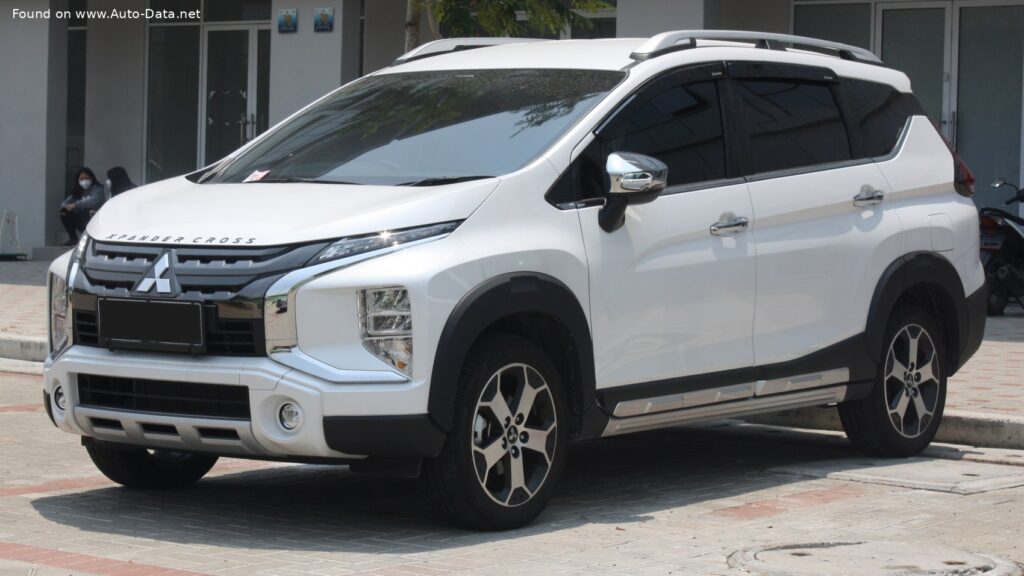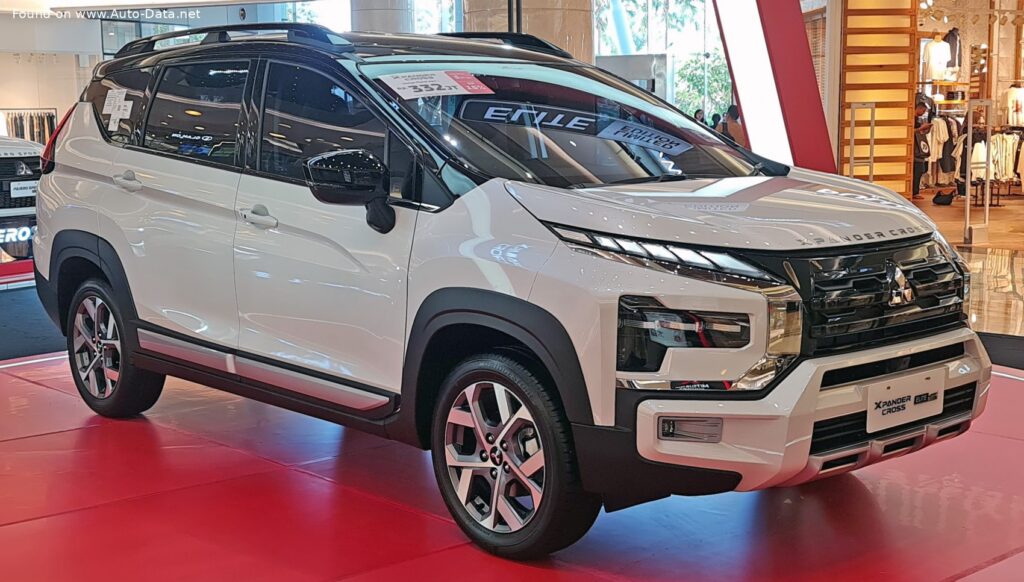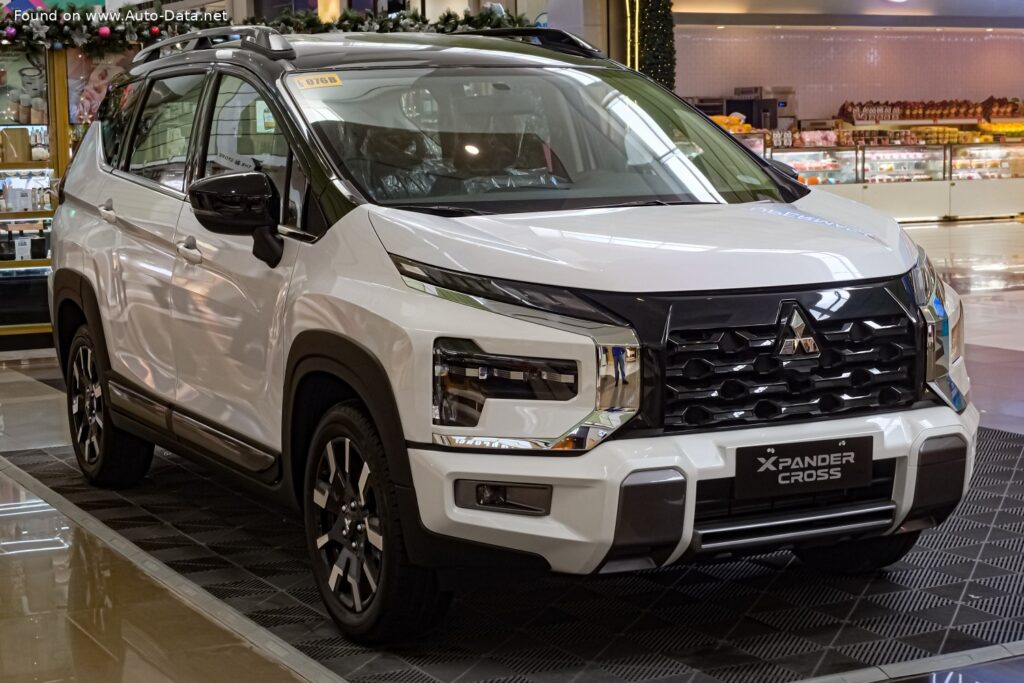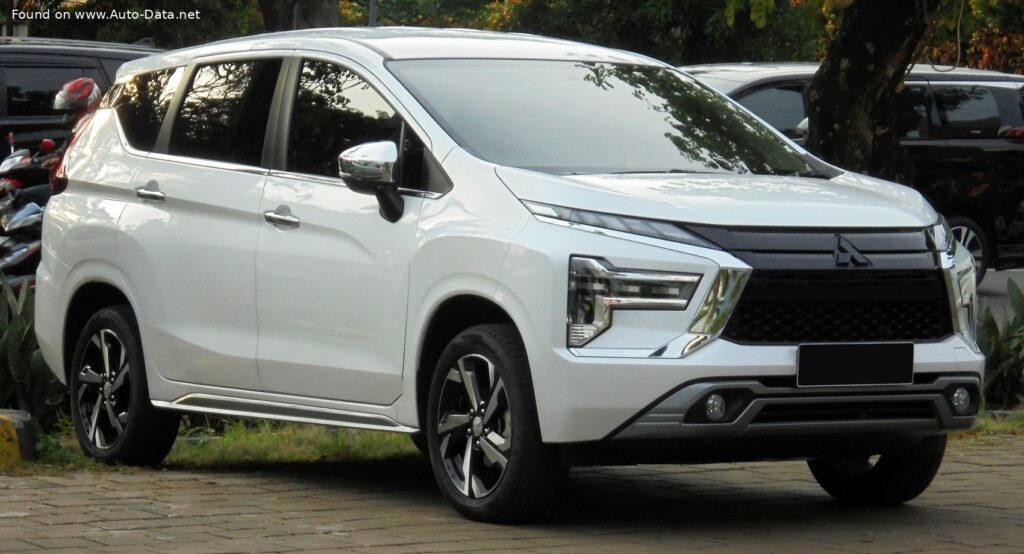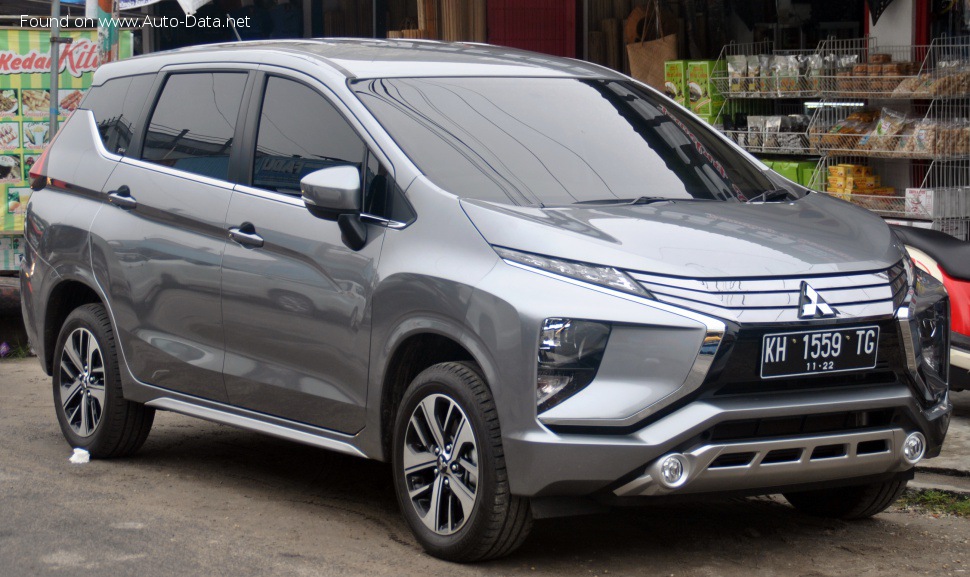
The Mitsubishi Xpander 1.5 MIVEC, produced from 2017 to 2021, is a compact multi-purpose vehicle (MPV) primarily designed for the Southeast Asian market. While not officially sold in the United States, the Xpander represents a significant vehicle in its class, offering a blend of affordability, practicality, and space – attributes highly valued by families in developing nations. It quickly became a popular choice in markets like Indonesia, the Philippines, and Thailand, competing with other affordable MPVs and small SUVs. The Xpander aimed to provide a more stylish and feature-rich alternative to basic, utilitarian MPVs traditionally found in the region.
Mitsubishi Xpander 1.5 MIVEC: An Overview
The Xpander filled a niche for Mitsubishi in a segment dominated by vehicles needing to cater to large families and often challenging road conditions. Its design language, while not overtly luxurious, aimed for a more modern and appealing aesthetic than its competitors. The vehicle’s seven-seat configuration, combined with its relatively compact footprint, made it a practical choice for urban environments and longer journeys alike. The 1.5 MIVEC engine, while not exceptionally powerful, was tuned for efficiency and reliability, key considerations for buyers in its target markets.
Engine & Performance
The Mitsubishi Xpander 1.5 MIVEC is powered by a 1.5-liter inline-four cylinder gasoline engine, designated the 4A91. This naturally aspirated engine produces 105 horsepower at 6000 rpm and 141 Nm (104 lb.-ft.) of torque at 4000 rpm. The engine features Mitsubishi’s MIVEC (Mitsubishi Innovative Valve timing Electronic Control) technology, which optimizes valve timing for improved fuel efficiency and power delivery across the rev range. The power-to-weight ratio is 17 kg/Hp, or approximately 59 Hp per tonne, while the torque-to-weight ratio is 12.6 kg/Nm, or 79.2 Nm per tonne. Power per liter is rated at 70 Hp/l. The engine is transversely mounted at the front of the vehicle and is coupled to a five-speed manual transmission, driving the front wheels. While not a performance-oriented vehicle, the Xpander’s powertrain provides adequate power for everyday driving and typical load-carrying scenarios. The focus was on providing a reliable and economical driving experience rather than outright speed.
Design & Features
The Mitsubishi Xpander boasts a distinctive exterior design characterized by its dynamic lines and bold front fascia. The vehicle’s MPV body style prioritizes interior space and passenger comfort. It features five doors and a seven-seat configuration, making it suitable for larger families. The Xpander’s interior is designed with practicality in mind, offering a comfortable and functional cabin. Features typically included air conditioning, a basic audio system, and power windows. Safety features, while not as comprehensive as those found in vehicles sold in developed markets, generally included ABS (Anti-lock Braking System). The Xpander’s ride height of 200 mm (7.87 inches) provides adequate ground clearance for navigating uneven road surfaces, a common requirement in many of its target markets. The vehicle’s dimensions are 4475 mm (176.18 inches) in length, 1750 mm (68.9 inches) in width, and 1695 mm (66.73 inches) in height, with a wheelbase of 2775 mm (109.25 inches). The minimum turning circle is 10.4 meters (34.12 feet).
Technical Specifications
| Brand | Mitsubishi |
| Model | Xpander |
| Generation | Xpander |
| Type (Engine) | 1.5 MIVEC (105 Hp) |
| Start of production | August, 2017 |
| End of production | November, 2021 |
| Powertrain Architecture | Internal Combustion engine |
| Body type | MPV |
| Seats | 7 |
| Doors | 5 |
| Fuel Type | Petrol (Gasoline) |
| Weight-to-power ratio | 17 kg/Hp |
| Weight-to-torque ratio | 12.6 kg/Nm |
| Power | 105 Hp @ 6000 rpm |
| Power per litre | 70 Hp/l |
| Torque | 141 Nm @ 4000 rpm / 104 lb.-ft. @ 4000 rpm |
| Engine layout | Front, Transverse |
| Engine Model/Code | 4A91 |
| Engine displacement | 1499 cm3 / 91.47 cu. in. |
| Number of cylinders | 4 |
| Engine configuration | Inline |
| Cylinder Bore | 75 mm / 2.95 in. |
| Piston Stroke | 84.8 mm / 3.34 in. |
| Number of valves per cylinder | 4 |
| Fuel injection system | Multi-port manifold injection |
| Engine aspiration | Naturally aspirated engine |
| Valvetrain | DOHC-VVT |
| Engine oil capacity | 3.8 l / 4.02 US qt | 3.34 UK qt |
| Coolant | 5 l / 5.28 US qt | 4.4 UK qt |
| Kerb Weight | 1780 kg / 3924.23 lbs. |
| Fuel tank capacity | 45 l / 11.89 US gal | 9.9 UK gal |
| Length | 4475 mm / 176.18 in. |
| Width | 1750 mm / 68.9 in. |
| Height | 1695 mm / 66.73 in. |
| Wheelbase | 2775 mm / 109.25 in. |
| Ride height (ground clearance) | 200 mm / 7.87 in. |
| Minimum turning circle (turning diameter) | 10.4 m / 34.12 ft. |
| Drivetrain Architecture | The Internal combustion engine (ICE) drives the front wheels of the vehicle. |
| Drive wheel | Front wheel drive |
| Number of gears and type of gearbox | 5 gears, manual transmission |
| Front suspension | Independent type McPherson |
| Rear suspension | Torsion |
| Front brakes | Disc |
| Rear brakes | Drum |
| Assisting systems | ABS (Anti-lock braking system) |
| Tires size | 185/65 R15 |
| Wheel rims size | 15 |
The Mitsubishi Xpander 1.5 MIVEC, while not a vehicle commonly found in the United States, represents a successful and important model for Mitsubishi in Southeast Asia. Its combination of practicality, affordability, and relatively modern features made it a popular choice for families seeking a versatile and reliable MPV. The Xpander’s success demonstrates Mitsubishi’s ability to adapt to the specific needs and preferences of different markets around the world.