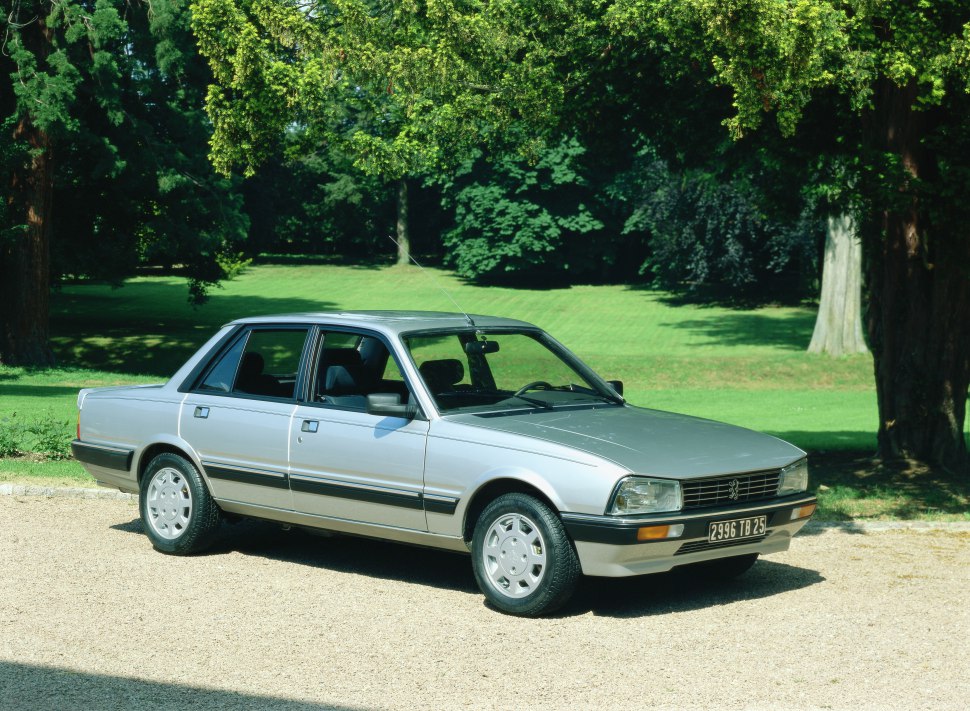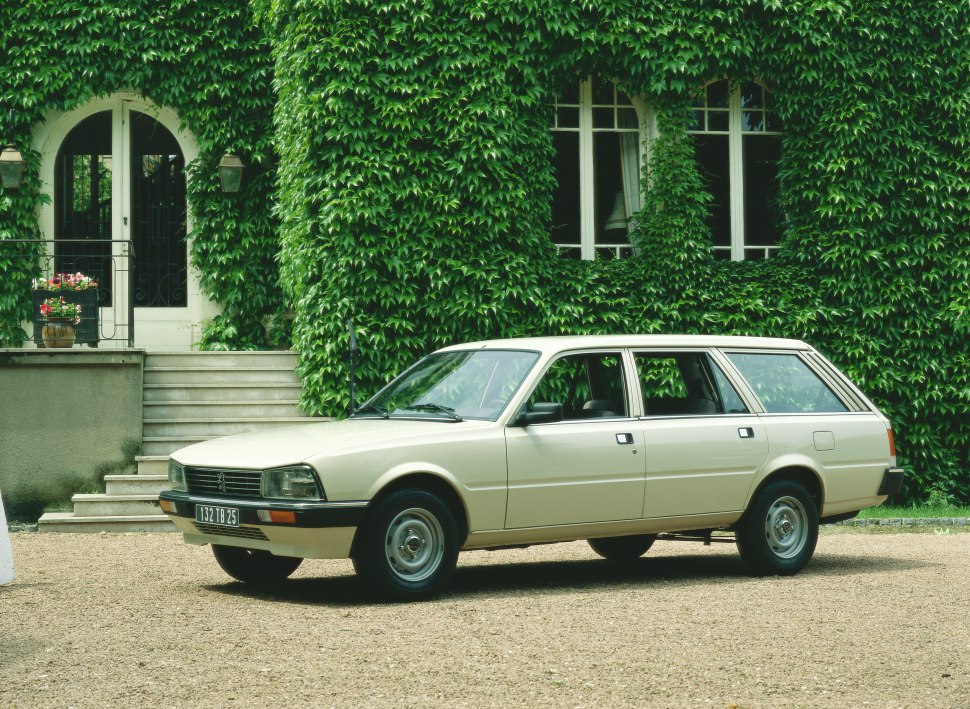
The Peugeot 505 Break (551D) 2.3 Turbo Diesel, produced between 1982 and 1986, represents a significant offering from Peugeot in the upper-midsize, executive car segment. As a station wagon (estate) variant of the 505, it catered to buyers seeking a blend of practicality, comfort, and the fuel efficiency offered by diesel technology. While the 505 itself was never officially sold in the United States, it enjoyed considerable success in Europe, particularly in France, and gained a reputation for robust engineering and a comfortable ride. The Break, or estate, body style further enhanced its appeal to families and those requiring substantial cargo space. This model, specifically the 2.3 Turbo Diesel, aimed to provide a balance between performance and economy, appealing to drivers covering long distances.
Peugeot 505 Break: A European Touring Car
The Peugeot 505 was designed as a successor to the popular Peugeot 504, aiming to modernize the brand’s offering in a competitive market. The 505, launched in 1978, represented a significant step forward in terms of design, technology, and refinement. The Break variant, introduced shortly after the sedan, expanded the 505’s appeal by providing a more versatile body style. The 2.3 Turbo Diesel engine was a key component of the 505’s lineup, offering a fuel-efficient alternative to the gasoline engines, particularly attractive in Europe where diesel fuel was often cheaper and offered better mileage. The 505, in general, was known for its independent suspension, providing a comfortable and controlled ride, and its relatively spacious interior. It competed with vehicles like the Mercedes-Benz W123, BMW E28, and Volvo 240, all of which were highly regarded for their build quality and reliability.
Engine & Performance
The heart of the 505 Break 2.3 Turbo Diesel is the 147 XD2S engine, a 2.3-liter naturally aspirated diesel powerplant. This engine produces 80 horsepower, a figure that, while modest by modern standards, was considered adequate for comfortable cruising and hauling loads in the early 1980s. The engine’s design prioritized fuel efficiency and durability over outright performance. The XD2S engine is known for its indirect injection system, which contributes to quieter operation and reduced emissions compared to earlier diesel designs. Torque figures, while not explicitly stated in the provided data, were substantial for a diesel engine of this displacement, providing good pulling power for a loaded vehicle. The engine is coupled with a manual transmission, typical for European cars of this era, offering the driver full control over gear selection. The 505 Break’s performance was geared towards long-distance touring rather than spirited acceleration. It was designed to provide a relaxed and comfortable driving experience, even when fully loaded with passengers and luggage. The turbocharger, while present in the model designation, is a point of clarification; this specific variant is *not* turbocharged, despite the name. It’s a naturally aspirated diesel.
Design & Features
The Peugeot 505 Break’s design is characterized by its clean lines and functional aesthetic. The station wagon body style provides a large cargo area, accessible through a rear tailgate. The interior of the 505 Break was designed with practicality and comfort in mind. The seats were typically upholstered in durable cloth or vinyl, and the dashboard layout was straightforward and functional. Features such as power windows and central locking were available on higher-spec models, but the 505 Break generally prioritized simplicity and reliability over lavish features. Safety features, while limited by the standards of the time, included seatbelts and a robust body structure. The 505’s independent suspension system, featuring MacPherson struts at the front and a semi-trailing arm setup at the rear, contributed to a comfortable ride and good handling characteristics. The exterior styling of the Break variant retained the elegant proportions of the sedan, with the extended roofline seamlessly integrated into the overall design. The 505 Break was available in a range of colors, reflecting the tastes of the European market. The vehicle’s design was a departure from the more angular styling of some contemporary cars, opting for a more rounded and flowing aesthetic.
Technical Specifications
| Brand | Peugeot |
| Model | 505 |
| Generation | 505 Break (551D) |
| Type (Engine) | 2.3 Turbo Diesel (80 Hp) |
| Start of production | 1982 |
| End of production | 1986 |
| Powertrain Architecture | Internal Combustion engine |
| Body type | Station wagon (estate) |
| Fuel Type | Diesel |
| Power | 80 Hp |
| Engine Model/Code | 147 XD2S |
| Engine aspiration | Naturally aspirated engine |
| Engine oil capacity | 5 l (5.28 US qt | 4.4 UK qt) |
| Coolant capacity | 10 l (10.57 US qt | 8.8 UK qt) |
The Peugeot 505 Break 2.3 Turbo Diesel, despite its name suggesting a turbocharged engine, offered a practical and reliable solution for European drivers seeking a spacious and fuel-efficient vehicle. Its robust construction, comfortable ride, and ample cargo capacity made it a popular choice for families and those requiring a versatile vehicle for both everyday use and long-distance travel. While never officially available in the United States, the 505 Break remains a respected example of Peugeot’s engineering prowess and design sensibility during the 1980s. Its legacy continues to be appreciated by enthusiasts who value its blend of practicality, comfort, and durability.