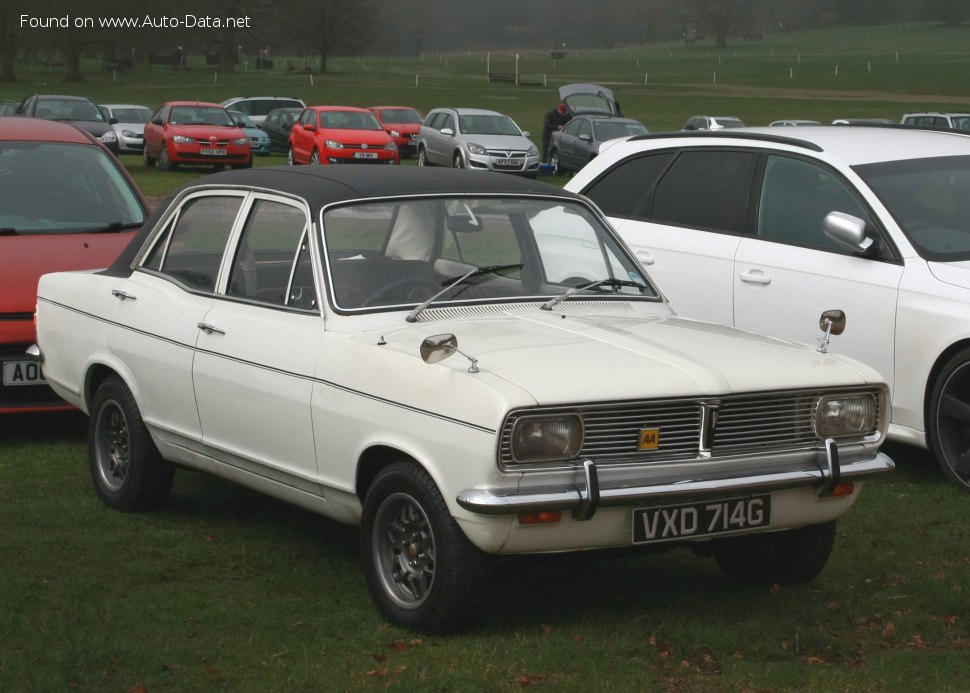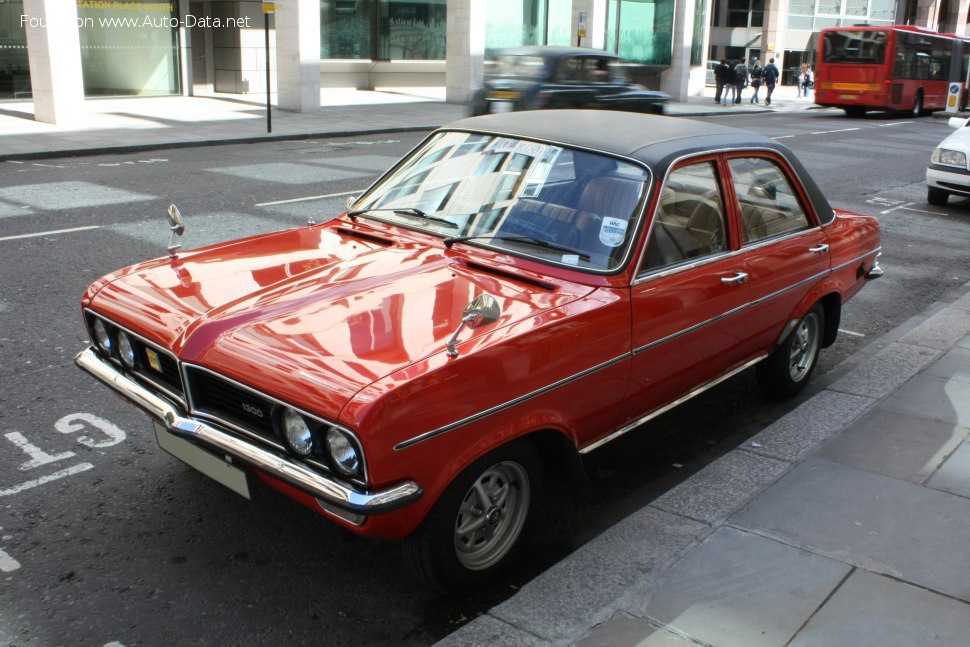
The Vauxhall Viva HC, produced between 1975 and 1979, represents the third generation of the Viva, a small family car built by Vauxhall, then a prominent British manufacturer, and later part of General Motors. The HC designation signified a significant redesign over its predecessors, aiming to modernize the Viva and offer a more competitive package in the increasingly crowded European small car market. While never officially sold in the United States, the Viva HC provides a fascinating case study of British automotive engineering during the 1970s, a period marked by economic challenges and evolving consumer preferences. The 1300 model, powered by a 1.3-liter engine producing 58 horsepower, was a mainstay of the HC range, offering a balance of affordability and practicality for British families.
Vauxhall Viva HC: A British Compact
The Viva HC was intended to address criticisms leveled at the earlier Viva models, particularly regarding their styling and perceived lack of modernity. The HC featured a more angular and contemporary design, influenced by contemporary trends in European automotive design. It was available in both two-door and four-door saloon (sedan) body styles, catering to different customer needs. The car’s relatively compact size made it well-suited to the narrow streets and limited parking spaces common in British towns and cities. The HC aimed to provide a comfortable and reliable mode of transport for everyday use, focusing on practicality rather than outright performance.
Origins and Market Position
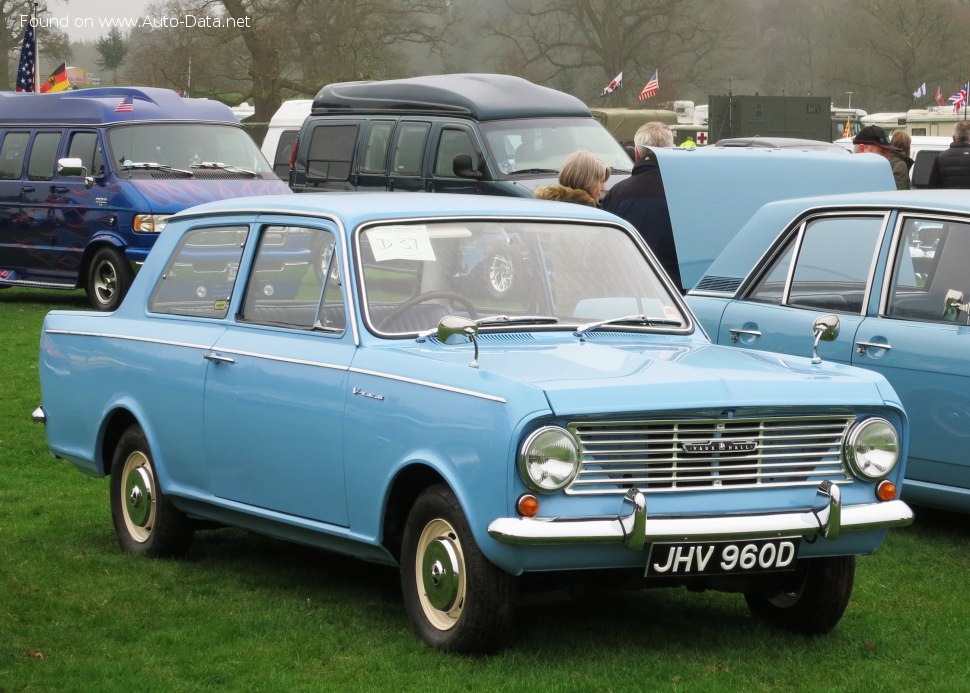
Vauxhall, prior to its integration into General Motors, had a long history of producing affordable and dependable vehicles for the British market. The Viva line was introduced in 1963 as a direct competitor to the Ford Anglia and other small British cars. The HC generation was a crucial update, designed to keep the Viva competitive against newer rivals like the Austin Allegro and the increasingly popular imports from Europe and Japan. The British automotive industry in the 1970s was facing significant challenges, including industrial unrest and increasing competition. The Viva HC, despite its improvements, ultimately struggled to maintain market share in the face of these pressures.
Engine & Performance
The Vauxhall Viva HC 1300 was powered by a 1296cc, naturally aspirated four-cylinder engine. This engine, while modest in output by modern standards, was considered adequate for the car’s size and intended purpose. Producing 58 horsepower, the engine provided sufficient power for comfortable cruising and everyday driving. The engine was paired with a four-speed manual gearbox, although a three-speed automatic transmission was also available as an option. Performance figures were typical for the era; acceleration was not a priority, and the focus was on fuel economy and reliability. The engine utilized a conventional overhead valve configuration and a single carburetor. The rear-wheel-drive layout was standard for British cars of this period, providing predictable handling characteristics. While not a sporty vehicle, the Viva HC 1300 offered a reasonably refined driving experience for its price point.
Powertrain Details
The engine’s relatively simple design contributed to its reliability and ease of maintenance. The use of a naturally aspirated engine meant that there was no turbocharging or other forced induction systems to complicate matters. The engine’s modest power output also meant that it was not subjected to the same stresses as higher-performance engines. The rear-wheel-drive configuration, while becoming less common in other parts of the world, was well-understood by British mechanics and offered a relatively straightforward layout for repairs. The engine’s fuel system was a basic carburetor setup, requiring periodic adjustment and maintenance to ensure optimal performance.
Design & Features
The Viva HC’s design represented a significant departure from the rounded styling of the previous Viva models. The HC adopted a more angular and boxy shape, reflecting the design trends of the 1970s. The car featured a relatively spacious interior for its size, offering comfortable seating for four adults. The dashboard was functional and straightforward, with clearly labeled controls. Safety features were limited by the standards of the time, but the HC did include features such as seat belts and a collapsible steering column. The car’s suspension system was designed to provide a comfortable ride, absorbing bumps and imperfections in the road surface. The exterior trim was relatively simple, with chrome accents adding a touch of elegance. The availability of both two-door and four-door body styles allowed customers to choose the configuration that best suited their needs. The car’s overall design emphasized practicality and affordability, making it an attractive option for budget-conscious buyers.
Interior and Practicality
The interior of the Viva HC was designed with practicality in mind. The seats were upholstered in durable fabrics, and the floor was covered in a hard-wearing carpet. The car offered a reasonable amount of luggage space for its size, although it was not particularly generous. The interior trim was relatively simple, with a focus on functionality rather than luxury. The car’s ventilation system was adequate, providing fresh air to the cabin. The Viva HC was not designed to be a luxury car, but it did offer a comfortable and practical interior for everyday use.
Technical Specifications
| Brand | Vauxhall |
| Model | Viva |
| Generation | Viva HC |
| Type (Engine) | 1300 (58 Hp) |
| Start of production | 1975 |
| End of production | 1979 |
| Powertrain Architecture | Internal Combustion engine |
| Body type | Sedan |
| Seats | 4 |
| Doors | 2-4 |
| Fuel Type | Petrol (Gasoline) |
| Power | 58 Hp |
| Engine aspiration | Naturally aspirated engine |
| Engine oil capacity | 2.8 l / 2.96 US qt / 2.46 UK qt |
| Coolant capacity | 5.8 l / 6.13 US qt / 5.1 UK qt |
| Drivetrain Architecture | Rear wheel drive |