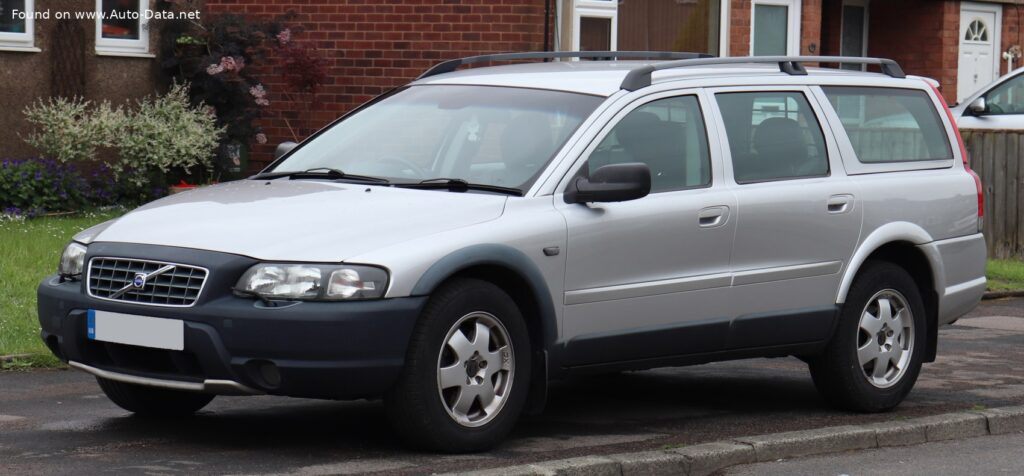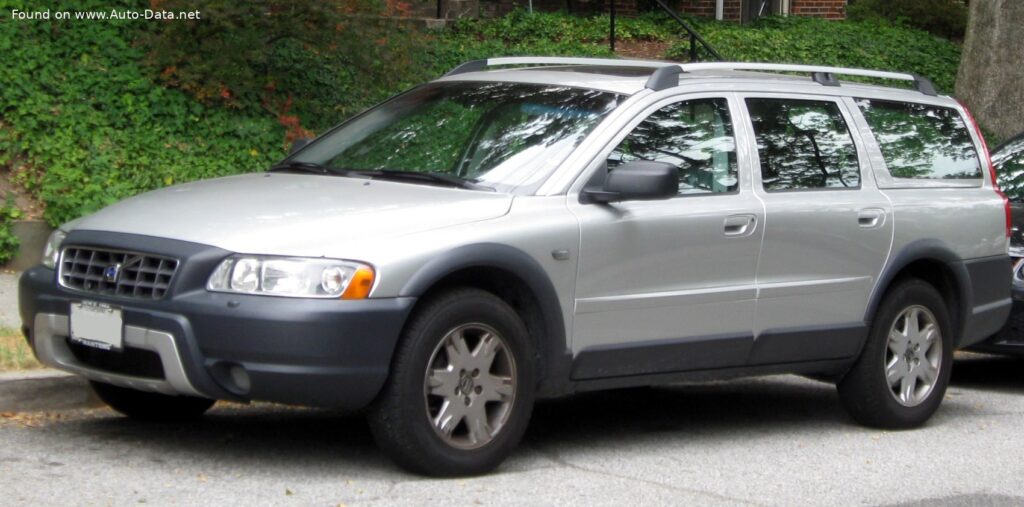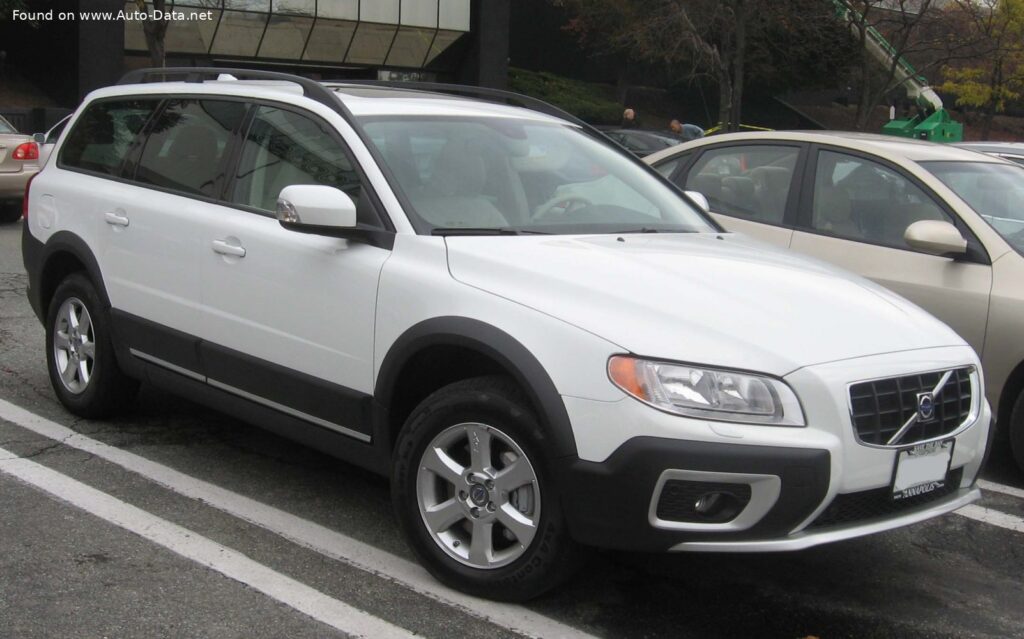
The Volvo XC70 II 3.2 (243 Hp) AWD Geartronic is a station wagon, or estate as it’s known in Europe, produced by the Swedish manufacturer Volvo between 2010 and 2013. Representing the second generation of the XC70, this model occupied a niche market segment – a raised, all-wheel-drive wagon aimed at buyers desiring the practicality of a wagon combined with some of the capability of an SUV. While not officially sold in the United States during its production run, the XC70, in its various iterations, was a popular alternative to traditional SUVs for those prioritizing fuel efficiency and driving dynamics. The XC70 II built upon the foundations of the first generation, offering improved refinement, safety features, and a more contemporary design.
Volvo XC70 II: An Overview
The XC70 II was positioned as a premium crossover wagon, competing with vehicles like the Audi A6 allroad and the Subaru Outback. It distinguished itself through its robust build quality, comfortable ride, and focus on safety – hallmarks of the Volvo brand. The “II” designation signifies the second generation of the XC70, which brought significant updates to the original model launched in 2000. These updates included revised styling, enhanced interior features, and improvements to the chassis and suspension. The 3.2-liter engine variant, discussed here, was a key offering in many European markets, providing a balance of performance and fuel economy.
Engine & Performance
The Volvo XC70 II 3.2 was powered by a 3.2-liter inline-six cylinder naturally aspirated gasoline engine, designated the B6324S5. This engine produced 243 horsepower at 6,400 rpm and 320 Nm (236.02 lb.-ft.) of torque at 3,200 rpm. The engine featured direct fuel injection, contributing to its efficiency and responsiveness. Power was delivered to all four wheels via a six-speed automatic transmission (Geartronic), providing smooth and efficient gear changes. Acceleration from 0 to 100 km/h (0-62 mph) took approximately 9 seconds, while the 0-60 mph sprint was achieved in 8.6 seconds. The vehicle had a maximum speed of 215 km/h (133.59 mph). The engine’s power-to-weight ratio was 7.6 kg/Hp, and its torque-to-weight ratio was 5.8 kg/Nm, indicating a reasonably efficient powertrain.
Design & Features
The XC70 II maintained the classic Volvo wagon profile, characterized by its long roofline and practical cargo area. However, it featured several design cues that distinguished it from the standard Volvo V70 wagon. These included increased ground clearance, rugged body cladding, and distinctive alloy wheel designs. The interior was designed with comfort and practicality in mind, offering seating for five passengers and a spacious cargo area of 575 liters (20.31 cu. ft.) with the rear seats up. Safety was a paramount concern for Volvo, and the XC70 II was equipped with a comprehensive suite of safety features, including ABS (Anti-lock Braking System), and a robust chassis designed to protect occupants in the event of a collision. The vehicle’s dimensions included a length of 4838 mm (190.47 in.), a width of 1870 mm (73.62 in.), and a height of 1604 mm (63.15 in.).
Technical Specifications
| Brand | Volvo |
| Model | XC70 |
| Generation | XC70 II |
| Type (Engine) | 3.2 (243 Hp) AWD Geartronic |
| Start of production | 2010 |
| End of production | 2013 |
| Powertrain Architecture | Internal Combustion engine |
| Body type | Station wagon (estate), Crossover |
| Seats | 5 |
| Doors | 5 |
| Fuel consumption (urban) | 14 l/100 km (16.8 US mpg, 20.2 UK mpg, 7.1 km/l) |
| Fuel consumption (extra urban) | 7.8 l/100 km (30.2 US mpg, 36.2 UK mpg, 12.8 km/l) |
| Fuel consumption (combined) | 10.1 l/100 km (23.3 US mpg, 28 UK mpg, 9.9 km/l) |
| CO2 emissions | 234 g/km |
| Fuel Type | Petrol (Gasoline) |
| Acceleration 0 – 100 km/h | 9 sec |
| Acceleration 0 – 62 mph | 9 sec |
| Acceleration 0 – 60 mph | 8.6 sec |
| Maximum speed | 215 km/h (133.59 mph) |
| Power | 243 Hp @ 6400 rpm |
| Torque | 320 Nm @ 3200 rpm (236.02 lb.-ft. @ 3200 rpm) |
| Engine layout | Front, Transverse |
| Engine Model/Code | B6324S5 |
| Engine displacement | 3192 cm3 (194.79 cu. in.) |
| Number of cylinders | 6 |
| Engine configuration | Inline |
| Cylinder Bore | 84 mm (3.31 in.) |
| Piston Stroke | 96 mm (3.78 in.) |
| Compression ratio | 10.8:1 |
| Number of valves per cylinder | 4 |
| Fuel injection system | Direct injection |
| Engine oil capacity | 6.8 l (7.19 US qt | 5.98 UK qt) |
| Coolant | 8.9 l (9.4 US qt | 7.83 UK qt) |
| Kerb Weight | 1844 kg (4065.32 lbs.) |
| Max. weight | 2410 kg (5313.14 lbs.) |
| Max load | 566 kg (1247.82 lbs.) |
| Trunk (boot) space – minimum | 575 l (20.31 cu. ft.) |
| Fuel tank capacity | 70 l (18.49 US gal | 15.4 UK gal) |
| Max. roof load | 100 kg (220.46 lbs.) |
| Permitted trailer load with brakes (12%) | 1800 kg (3968.32 lbs.) |
| Permitted trailer load without brakes | 750 kg (1653.47 lbs.) |
| Length | 4838 mm (190.47 in.) |
| Width | 1870 mm (73.62 in.) |
| Height | 1604 mm (63.15 in.) |
| Wheelbase | 2815 mm (110.83 in.) |
| Front track | 1614 mm (63.54 in.) |
| Rear (Back) track | 1580 mm (62.2 in.) |
| Minimum turning circle (turning diameter) | 12 m (39.37 ft.) |
| Drive wheel | All wheel drive (4×4) |
| Number of gears and type of gearbox | 6 gears, automatic transmission |
| Front suspension | Independent, type McPherson with coil spring and anti-roll bar |
| Rear suspension | Independent coil spring |
| Front brakes | Ventilated discs |
| Rear brakes | Disc |
The Volvo XC70 II 3.2 AWD Geartronic represented a compelling option for buyers seeking a versatile and safe vehicle. Its blend of wagon practicality, all-wheel-drive capability, and Volvo’s renowned safety features made it a popular choice in European markets.