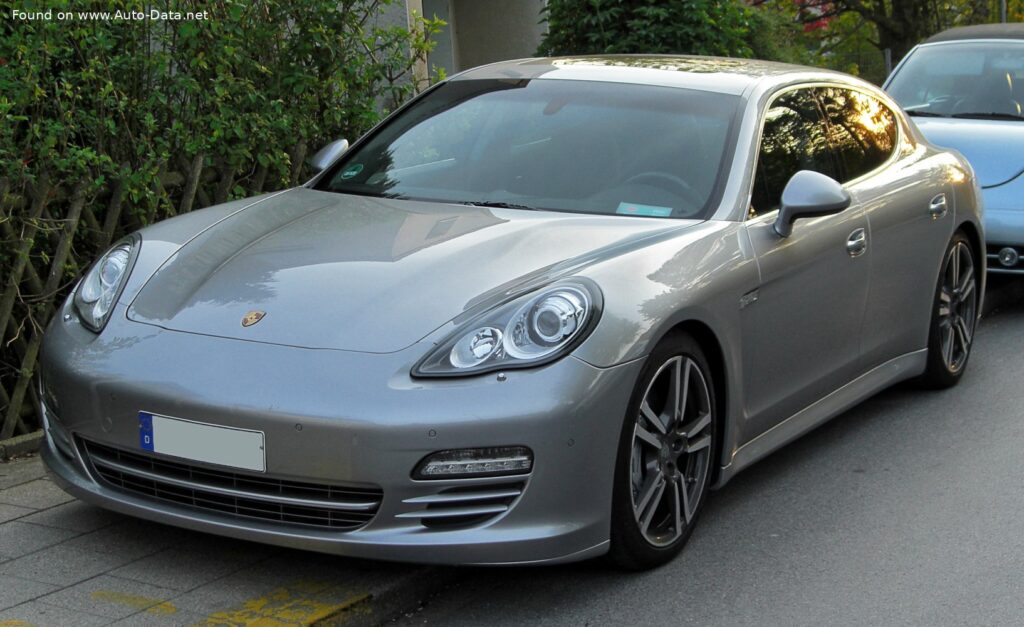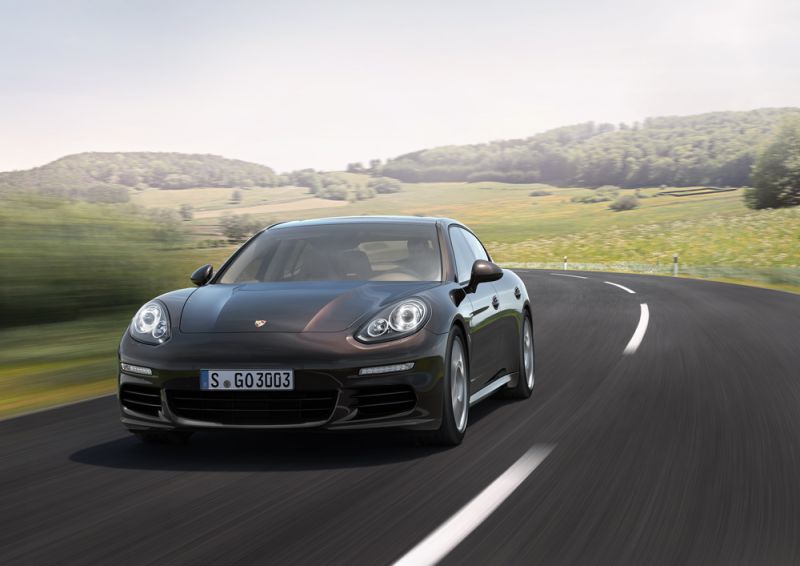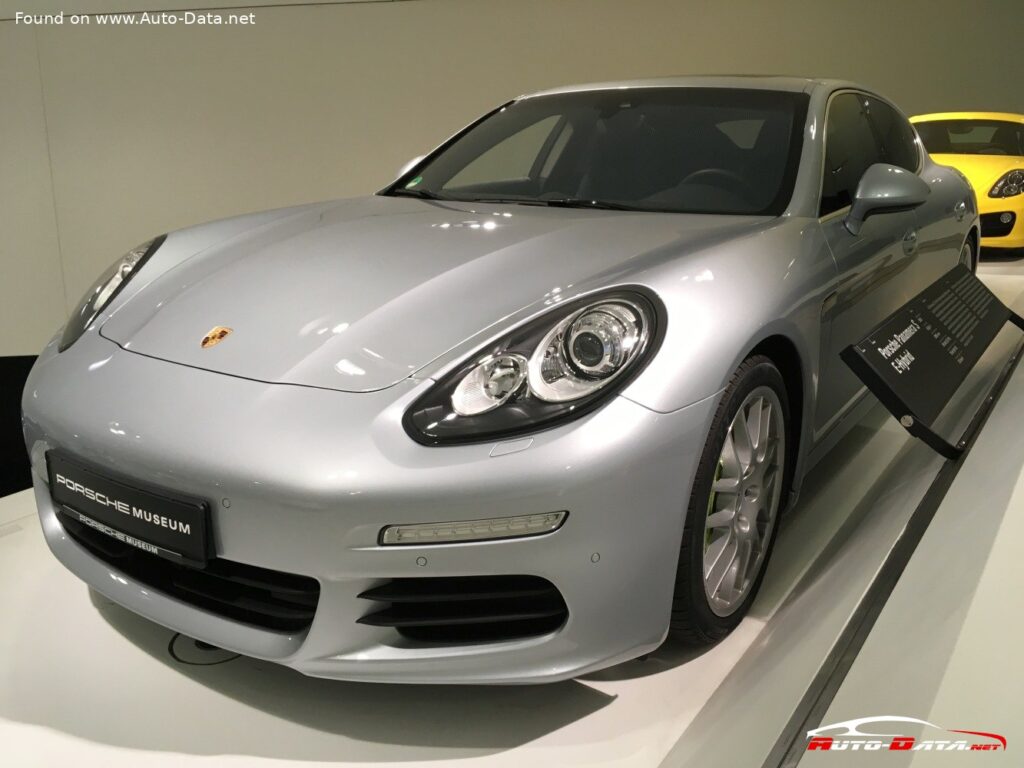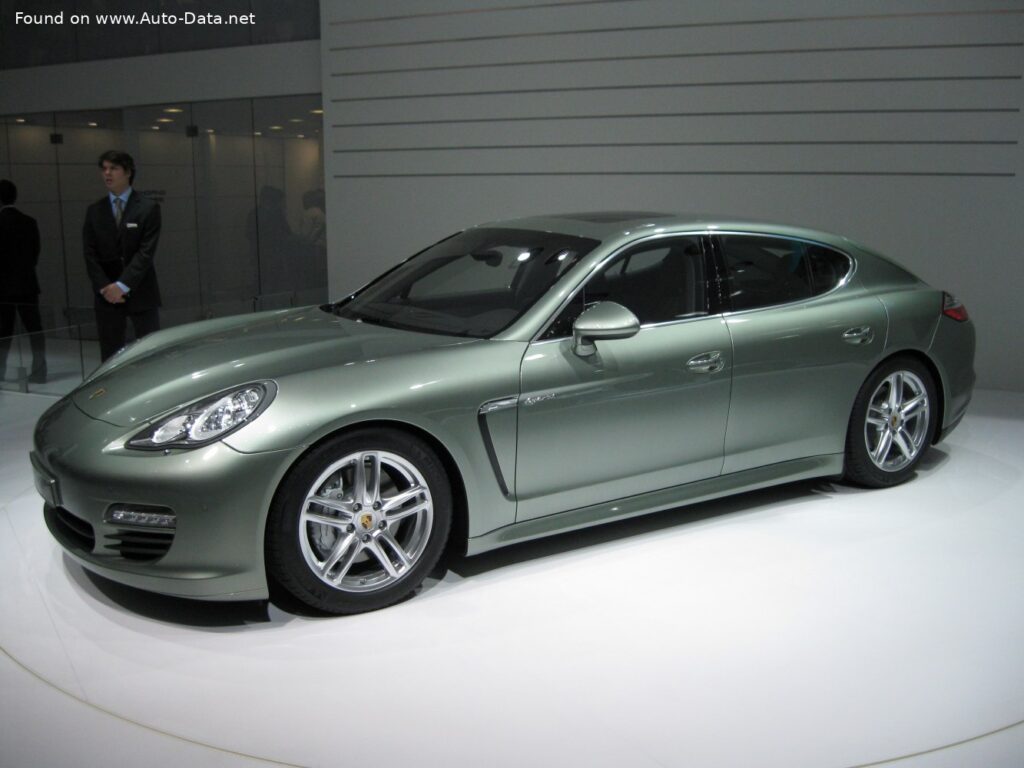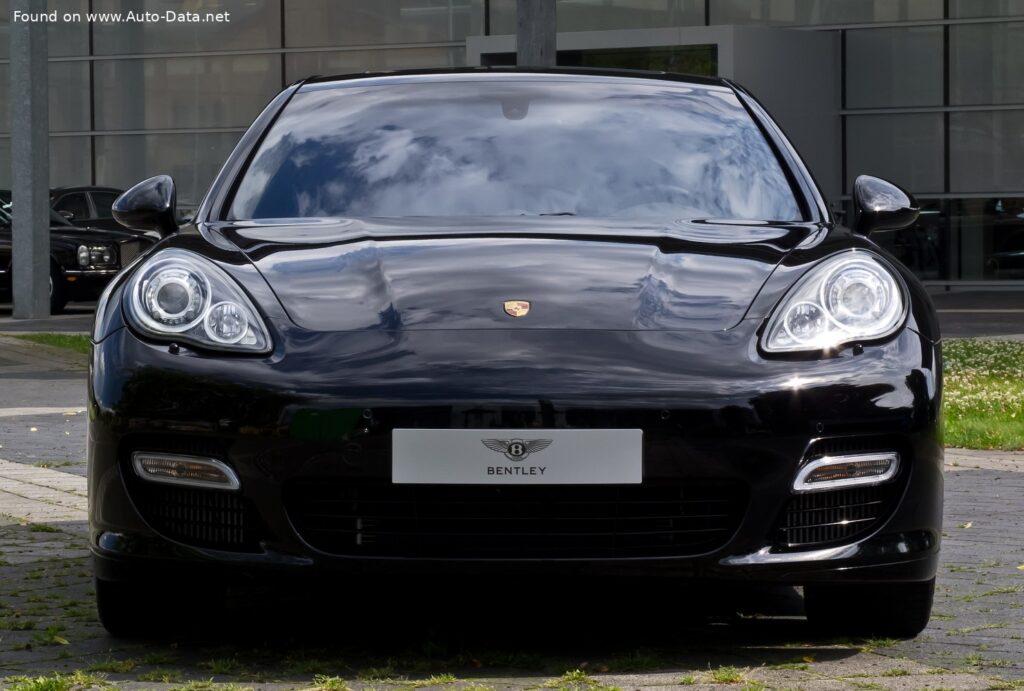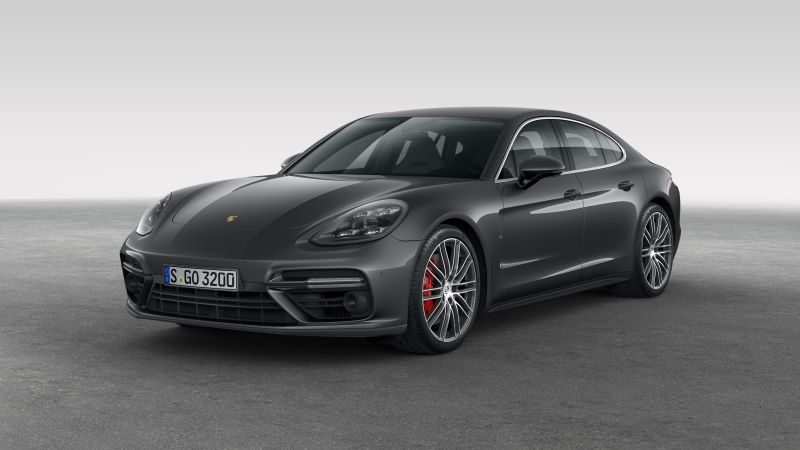
The Porsche Panamera (G2) Turbo S 4.0 V8 (680 Hp) E-Hybrid PDK OPF represents the pinnacle of performance and technology within the second generation of the Panamera line, produced from 2019 to 2020. Positioned in the luxury grand touring segment, the Panamera G2 aimed to blend the everyday usability of a large sedan with the dynamic capabilities expected of a Porsche. This particular variant, the Turbo S E-Hybrid, combines a potent twin-turbocharged V8 engine with an electric motor, creating a plug-in hybrid powertrain focused on both exhilarating performance and improved efficiency. It’s a flagship model designed to compete with high-performance luxury vehicles from brands like Mercedes-Benz and BMW.
Porsche Panamera (G2) Turbo S E-Hybrid: A Technical Overview
Engine & Performance
At the heart of the Panamera Turbo S E-Hybrid lies a 4.0-liter twin-turbocharged V8 engine, designated EA825 / MCV.DA. This engine produces 550 horsepower at 5,750-6,000 rpm and 770 Nm (567.92 lb-ft) of torque between 1,960 and 4,500 rpm. Coupled with a 136 horsepower electric motor, powered by a 14.1 kWh lithium-ion battery, the combined system output reaches an impressive 680 horsepower at 5,750-6,000 rpm and a substantial 850 Nm (626.93 lb-ft) of torque from 1,400 to 5,500 rpm. Power is delivered to all four wheels via Porsche’s eight-speed PDK (Porsche Doppelkupplung) dual-clutch automatic transmission. This drivetrain configuration allows for a 0-60 mph acceleration time of just 3.2 seconds, and a 0-100 km/h time of 3.4 seconds, with a top speed of 310 km/h (192.63 mph). The electric motor is strategically positioned between the combustion engine and the transmission, contributing to a seamless power delivery and enhanced responsiveness. The vehicle offers an all-electric range of 25-50 km (15.53 – 31.07 miles) based on the NEDC standard.
Design & Features
The Panamera G2 maintains the distinctive liftback body style introduced with the first generation, offering a unique blend of coupe-like aesthetics and the practicality of a hatchback. The five-door configuration provides easy access to both front and rear seats. The Turbo S E-Hybrid model features subtle visual cues that distinguish it from other Panamera variants, including unique exterior trim and wheel designs. Inside, the cabin is characterized by a luxurious and technologically advanced environment. Key features include a high-resolution touchscreen infotainment system, advanced driver-assistance systems (ADAS) such as adaptive cruise control, lane keeping assist, and Porsche Active Suspension Management (PASM). The interior prioritizes comfort and connectivity, with premium materials and a focus on creating a refined driving experience. Safety features are comprehensive, including multiple airbags, anti-lock brakes (ABS), and electronic stability control. The battery pack is located under the trunk floor, minimizing impact on passenger space, although trunk capacity is reduced compared to non-hybrid models, offering 405 liters (14.3 cu. ft.) minimum and 1245 liters (43.97 cu. ft.) maximum.
Technology and Hybrid System
The Panamera Turbo S E-Hybrid showcases Porsche’s commitment to hybrid technology. The plug-in hybrid system allows for zero-emission driving over shorter distances, reducing the vehicle’s environmental impact. The system intelligently manages the interplay between the V8 engine and the electric motor, optimizing for performance or efficiency depending on driving conditions. The vehicle supports various driving modes, including E-Power (all-electric), Hybrid Auto, Hybrid Sport, and Sport Plus, allowing the driver to tailor the powertrain’s behavior to their preferences. The battery can be charged via an external power source, offering convenient replenishment of the electric range. Energy consumption is rated at 40 kWh/100 km (64.37 kWh/100 mi) on the WLTP cycle, equating to 52 MPGe. The vehicle also incorporates a Start & Stop system and a particulate filter to further reduce emissions, meeting Euro 6d-TEMP-EVAP-ISC emission standards.
Technical Specifications
| Brand | Porsche |
| Model | Panamera |
| Generation | Panamera (G2) |
| Type | Turbo S 4.0 V8 (680 Hp) E-Hybrid PDK OPF |
| Start of production | January, 2019 |
| End of production | 2020 |
| Powertrain Architecture | PHEV (Plug-in Hybrid Electric Vehicle) |
| Body type | Liftback |
| Seats | 4 |
| Doors | 5 |
| Combined fuel consumption (WLTP) | 3.5 l/100 km (67.2 US mpg, 80.7 UK mpg, 28.6 km/l) |
| CO2 emissions (WLTP) | 80 g/km |
| Fuel consumption (NEDC) – combined | 3.3 l/100 km (71.3 US mpg, 85.6 UK mpg, 30.3 km/l) |
| CO2 emissions (NEDC) | 74 g/km |
| Fuel Type | Petrol / electricity |
| Acceleration 0 – 100 km/h | 3.4 sec |
| Acceleration 0 – 62 mph | 3.4 sec |
| Acceleration 0 – 60 mph | 3.2 sec |
| Acceleration 0 – 200 km/h | 11.7 sec |
| Maximum speed | 310 km/h (192.63 mph) |
| Emission standard | Euro 6d-TEMP-EVAP-ISC |
| Weight-to-power ratio | 3.4 kg/Hp, 294.4 Hp/tonne |
| Weight-to-torque ratio | 2.7 kg/Nm, 368 Nm/tonne |
| Gross battery capacity | 14.1 kWh |
| Battery voltage | 382 V |
| Battery technology | Lithium-ion (Li-Ion) |
| Battery location | Under the trunk |
| All-electric range (NEDC) | 25-50 km (15.53 – 31.07 mi) |
| Average Energy consumption (WLTP) | 40 kWh/100 km (64.37 kWh/100 mi, 52 MPGe, 2.5 km/kWh, 1.6 mi/kWh) |
| Average Energy consumption (NEDC) | 16 kWh/100 km (25.75 kWh/100 mi, 131 MPGe, 6.3 km/kWh, 3.9 mi/kWh) |
| Max speed (electric) | 140 km/h (86.99 mph) |
| Electric motor power | 136 Hp @ 2800 rpm (295.02 lb.-ft. @ 100-2300 rpm) |
| Electric motor Torque | 400 Nm @ 100-2300 rpm |
| Electric motor location | Between the combustion engine and the transmission |
| System power | 680 Hp @ 5750-6000 rpm |
| System torque | 850 Nm @ 1400-5500 rpm (626.93 lb.-ft. @ 1400-5500 rpm) |
| Power | 550 Hp @ 5750-6000 rpm |
| Torque | 770 Nm @ 1960-4500 rpm (567.92 lb.-ft. @ 1960-4500 rpm) |
| Maximum engine speed | 6800 rpm |
| Engine layout | Front, Longitudinal |
| Engine displacement | 3996 cm3 (243.85 cu. in.) |
| Number of cylinders | 8 |
| Engine configuration | V-engine |
| Cylinder Bore | 86 mm (3.39 in.) |
| Piston Stroke | 86 mm (3.39 in.) |
| Compression ratio | 10.1:1 |
| Kerb Weight | 2310 kg (5092.68 lbs.) |
| Max. weight | 2795 kg (6161.92 lbs.) |
| Max load | 485 kg (1069.24 lbs.) |
| Trunk (boot) space – minimum | 405 l (14.3 cu. ft.) |
| Trunk (boot) space – maximum | 1245 l (43.97 cu. ft.) |
| Fuel tank capacity | 80 l (21.13 US gal | 17.6 UK gal) |
| Length | 5049 mm (198.78 in.) |
| Width | 1937 mm (76.26 in.) |
| Height | 1427 mm (56.18 in.) |
| Wheelbase | 2950 mm (116.14 in.) |