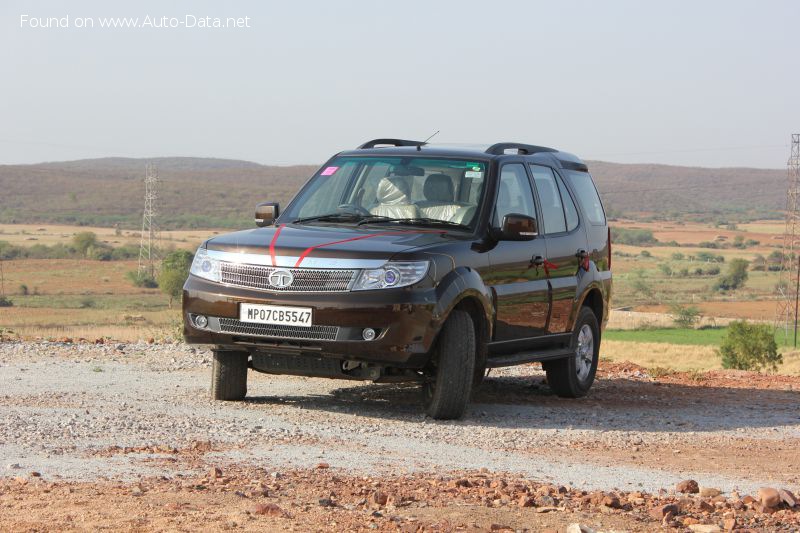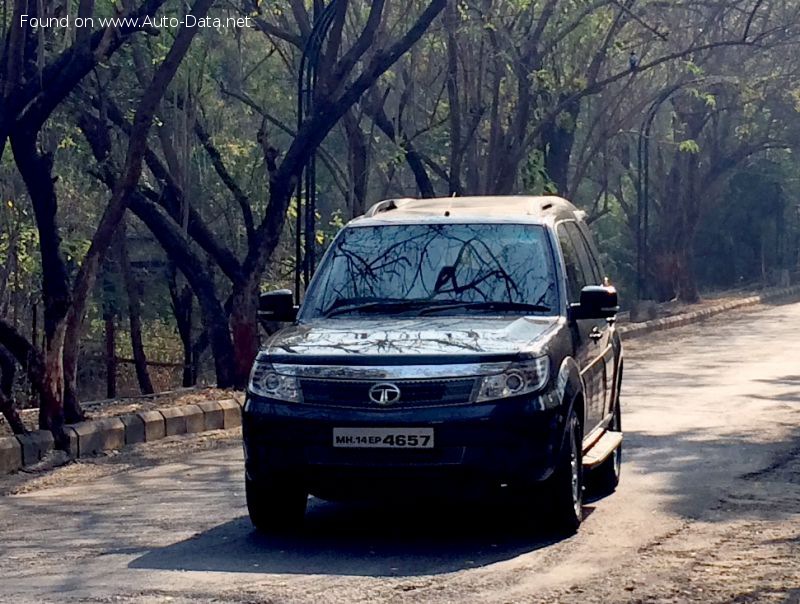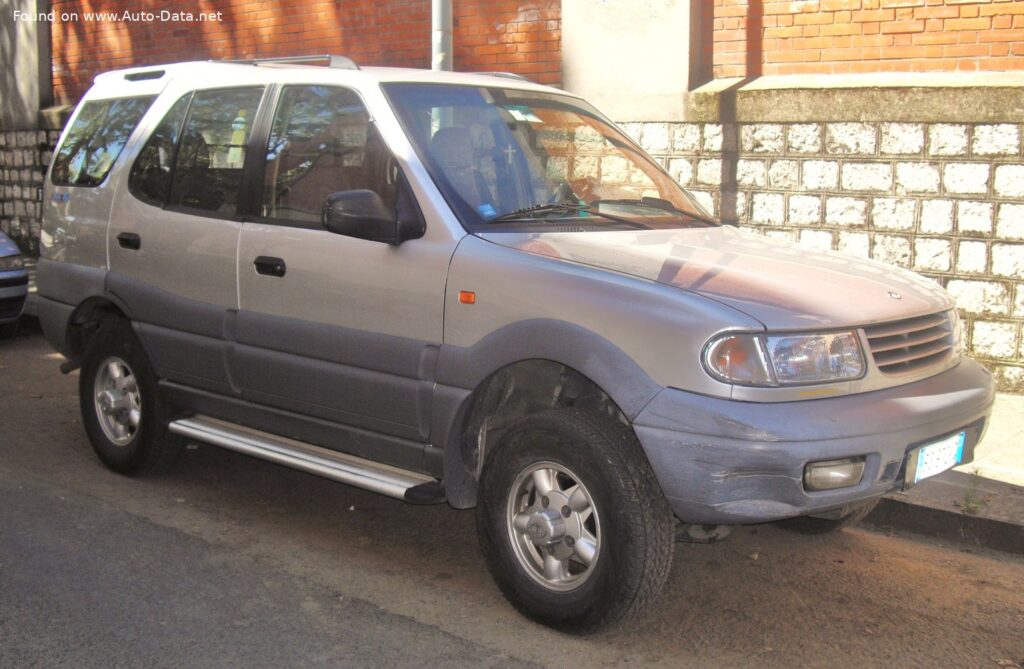
The Tata Safari I 1.9 TD (90 Hp) is a significant vehicle in the history of the Indian automotive industry, representing a pivotal moment for Tata Motors and the burgeoning SUV market in India. Produced from 1998 to 2005, the Safari I was not initially intended for export to North America or Europe, but it played a crucial role in establishing Tata as a major automotive manufacturer within its domestic market and select international regions. It was a landmark vehicle, being one of the first domestically designed and produced SUVs in India, offering a blend of rugged capability and relatively affordable pricing. This article details the technical specifications and historical context of this important vehicle.
The Tata Safari I: A Pioneer in the Indian SUV Segment
The Tata Safari I emerged during a period of economic liberalization in India, creating a demand for more versatile and robust vehicles. Prior to the Safari, the Indian market was largely dominated by smaller, more economical cars. The Safari filled a niche for a vehicle capable of handling the diverse and often challenging road conditions prevalent throughout India. It was based on the TataTelcoline platform, sharing components with the Tata Sierra, but offering a more practical and spacious interior. The 1.9 TD variant, powered by a turbocharged diesel engine, became particularly popular due to its fuel efficiency and torque, making it suitable for both urban and rural environments.
Engine & Performance
The heart of the Tata Safari I 1.9 TD is a 1.9-liter inline-four cylinder diesel engine. This engine, producing 90 horsepower at 4300 rpm and 186 Nm (137.19 lb.-ft.) of torque at 2500 rpm, utilized precombustion chamber injection and a turbocharger to enhance performance. While not a powerhouse by modern standards, the engine provided adequate power for its intended purpose, offering a reasonable balance between fuel economy and capability. The engine’s power-to-weight ratio stood at 22.7 kg/Hp, and a torque-to-weight ratio of 11 kg/Nm. Acceleration from 0 to 100 km/h (0-62 mph) took approximately 26 seconds, and 0 to 60 mph was achieved in around 24.7 seconds. The Safari I had a maximum speed of 140 km/h (86.99 mph). Fuel consumption was rated at 13.3 l/100 km (17.7 US mpg) in urban settings and 9.5 l/100 km (24.8 US mpg) on the open road.
Design & Features
The Tata Safari I was a five-door SUV with a body-on-frame construction, providing a robust and durable platform. Its design, while somewhat boxy by contemporary standards, was functional and reflected the vehicle’s intended purpose. The Safari I offered seating for five passengers and a reasonably spacious cargo area. Key features included a manual five-speed transmission and a four-wheel-drive system, making it capable of tackling off-road conditions. Safety features for the time included hydraulic power steering and an Anti-lock Braking System (ABS), although these were not standard on all models. The vehicle’s dimensions were substantial for the Indian market, measuring 4650 mm (183.07 in) in length, 1810 mm (71.26 in) in width, and 1920 mm (75.59 in) in height, with a wheelbase of 2650 mm (104.33 in). The curb weight was 2040 kg (4497.43 lbs), with a maximum permissible weight of 2670 kg (5886.34 lbs) and a maximum load capacity of 630 kg (1388.91 lbs).
Technical Specifications
| Brand | Tata |
| Model | Safari |
| Generation | Safari I |
| Type (Engine) | 1.9 TD (90 Hp) |
| Start of production | 1998 |
| End of production | 2005 |
| Powertrain Architecture | Internal Combustion engine |
| Body type | SUV |
| Seats | 5 |
| Doors | 5 |
| Fuel consumption (urban) | 13.3 l/100 km (17.7 US mpg, 21.2 UK mpg, 7.5 km/l) |
| Fuel consumption (extra urban) | 9.5 l/100 km (24.8 US mpg, 29.7 UK mpg, 10.5 km/l) |
| Fuel Type | Diesel |
| Acceleration 0 – 100 km/h | 26 sec |
| Acceleration 0 – 62 mph | 26 sec |
| Acceleration 0 – 60 mph | 24.7 sec |
| Maximum speed | 140 km/h (86.99 mph) |
| Weight-to-power ratio | 22.7 kg/Hp |
| Weight-to-torque ratio | 11 kg/Nm |
| Power | 90 Hp @ 4300 rpm |
| Power per litre | 46.2 Hp/l |
| Torque | 186 Nm @ 2500 rpm (137.19 lb.-ft. @ 2500 rpm) |
| Engine layout | Front, Longitudinal |
| Engine displacement | 1948 cm3 (118.87 cu. in.) |
| Number of cylinders | 4 |
| Engine configuration | Inline |
| Cylinder Bore | 83 mm (3.27 in.) |
| Piston Stroke | 90 mm (3.54 in.) |
| Compression ratio | 21:1 |
| Number of valves per cylinder | 2 |
| Fuel injection system | Precombustion chamber injection |
| Engine aspiration | Turbocharger |
| Valvetrain | OHC |
| Kerb Weight | 2040 kg (4497.43 lbs.) |
| Max. weight | 2670 kg (5886.34 lbs.) |
| Max load | 630 kg (1388.91 lbs.) |
| Fuel tank capacity | 65 l (17.17 US gal | 14.3 UK gal) |
| Length | 4650 mm (183.07 in.) |
| Width | 1810 mm (71.26 in.) |
| Height | 1920 mm (75.59 in.) |
| Wheelbase | 2650 mm (104.33 in.) |
| Front track | 1500 mm (59.06 in.) |
| Rear track | 1470 mm (57.87 in.) |
| Drive wheel | All wheel drive (4×4) |
| Number of gears | 5 gears, manual transmission |
| Front suspension | Coil spring |
| Rear suspension | Coil spring |
| Front brakes | Disc |
| Rear brakes | Drum |
| Assisting systems | ABS (Anti-lock braking system) |
| Power steering | Hydraulic Steering |
| Tires size | 235/75 R15 |
The Tata Safari I 1.9 TD, while not a vehicle widely recognized in North American or European markets, holds a significant place in the automotive history of India. It represented a bold step for Tata Motors, demonstrating their ability to design and manufacture a competitive SUV that catered to the specific needs of the Indian consumer. Its robust construction, four-wheel-drive capability, and relatively affordable price point made it a popular choice for families and adventurers alike, paving the way for future generations of Tata SUVs.