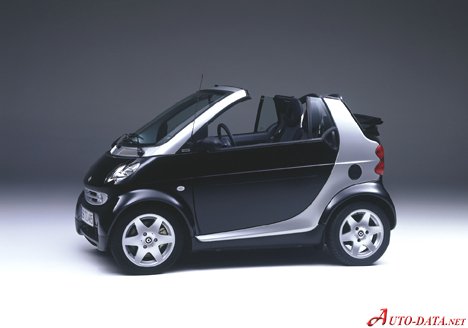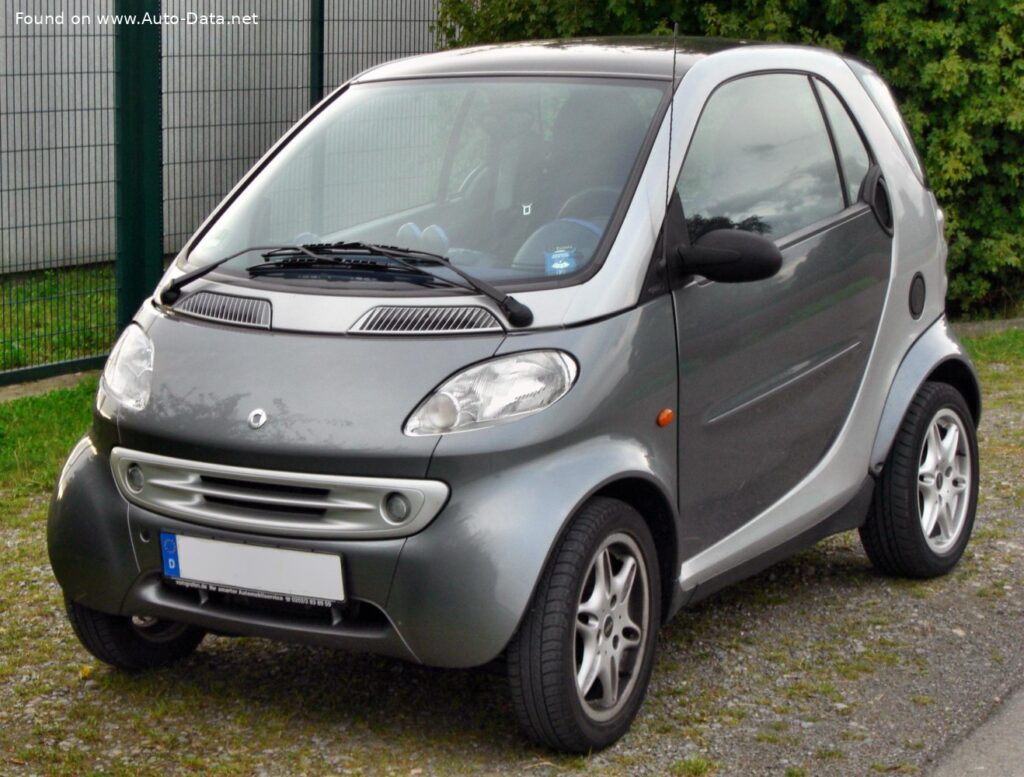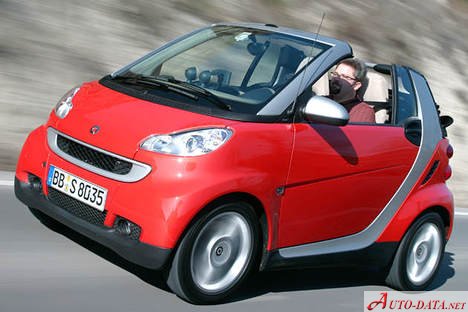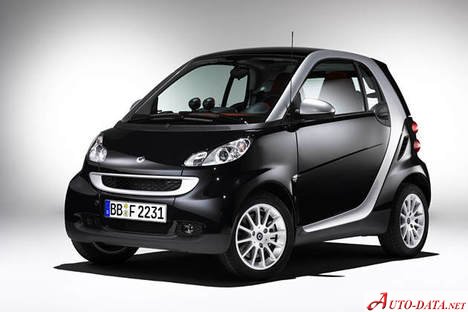
The Smart Fortwo II coupe (C451), produced from 2007 to 2014, represents the second generation of the iconic city car. Designed primarily for European urban environments, the Fortwo aimed to revolutionize personal transportation with its incredibly compact size and fuel efficiency. While never officially sold in large numbers in the United States, the C451 found a niche following among those seeking a uniquely maneuverable and economical vehicle. The Fortwo’s defining characteristic is its two-seat configuration and diminutive footprint, making it exceptionally easy to park and navigate congested city streets. This generation saw improvements in safety, build quality, and engine refinement compared to its predecessor.
Smart Fortwo II Coupe (C451): A Detailed Overview
The C451 Fortwo was a significant step forward for Smart, building upon the foundation laid by the original Fortwo (C450). It retained the core concept of a microcar but with a more sophisticated design and a wider range of available options. The vehicle’s rear-wheel-drive layout, coupled with its short wheelbase, contributed to its nimble handling. The 1.0-liter engine, while modest in power, was optimized for fuel economy, making the Fortwo an attractive option for environmentally conscious drivers. The C451 was available in various trim levels and special editions, catering to different tastes and budgets.
Engine & Performance
The 1.0i variant of the Smart Fortwo II coupe (C451) is powered by a naturally aspirated three-cylinder engine, designated M 132.910, displacing 999 cubic centimeters (60.96 cubic inches). This engine produces 71 horsepower (Hp) and boasts a power-to-weight ratio of 10.6 kg/Hp. The engine’s relatively small displacement and efficient design contribute to its impressive fuel economy figures. Fuel consumption is rated at 6.1 liters per 100 kilometers (38.6 US mpg) in urban conditions, 4.0 l/100 km (58.8 US mpg) on the extra-urban cycle, and a combined 4.7 l/100 km (50 US mpg). The engine is mated to a five-speed manual transmission, delivering power to the rear wheels. While not designed for high-speed performance, the Fortwo can achieve a maximum speed of 145 kilometers per hour (90.1 mph). The engine requires 3.7 liters (3.91 US qt) of engine oil, adhering to specific manufacturer specifications.
Design & Features
The Smart Fortwo II coupe (C451) is a two-door, two-seat coupe characterized by its exceptionally compact dimensions. It measures 2695 mm (106.1 inches) in length, 1559 mm (61.38 inches) in width, and 1542 mm (60.71 inches) in height. The vehicle’s wheelbase is 1867 mm (73.5 inches). The body structure is designed with safety in mind, incorporating a tridion safety cell – a high-strength steel frame that provides occupant protection in the event of a collision. The interior, while minimalist, is functional and offers basic amenities. Trunk space ranges from a minimum of 220 liters (7.77 cubic feet) to a maximum of 340 liters (12.01 cubic feet) with the rear seats folded down. The Fortwo features disc brakes on all four wheels and is equipped with an Anti-lock Braking System (ABS) for enhanced stopping power. Tire sizes typically range from 155/60 R15 to 175/55 R15. The C451’s design prioritized practicality and maneuverability over outright luxury or performance.
Technical Specifications
| Brand | Smart |
| Model | Fortwo |
| Generation | Fortwo II coupe (C451) |
| Type (Engine) | 1.0i (71 Hp) |
| Start of production | 2007 |
| End of production | 2014 |
| Powertrain Architecture | Internal Combustion engine |
| Body type | Coupe |
| Seats | 2 |
| Doors | 2 |
| Fuel consumption (urban) | 6.1 l/100 km (38.6 US mpg) |
| Fuel consumption (extra urban) | 4 l/100 km (58.8 US mpg) |
| Fuel consumption (combined) | 4.7 l/100 km (50 US mpg) |
| Fuel Type | Petrol (Gasoline) |
| Maximum speed | 145 km/h (90.1 mph) |
| Emission standard | Euro 4 |
| Weight-to-power ratio | 10.6 kg/Hp |
| Power | 71 Hp |
| Power per litre | 71.1 Hp/l |
| Engine Model/Code | M 132.910 |
| Engine displacement | 999 cm3 (60.96 cu. in.) |
| Engine aspiration | Naturally aspirated |
| Engine oil capacity | 3.7 l (3.91 US qt | 3.26 UK qt) |
| Kerb Weight | 750 kg (1653.47 lbs.) |
| Max. weight | 1020 kg (2248.72 lbs.) |
| Max load | 270 kg (595.25 lbs.) |
| Trunk (boot) space – minimum | 220 l (7.77 cu. ft.) |
| Trunk (boot) space – maximum | 340 l (12.01 cu. ft.) |
| Fuel tank capacity | 33 l (8.72 US gal | 7.26 UK gal) |
| Length | 2695 mm (106.1 in.) |
| Width | 1559 mm (61.38 in.) |
| Height | 1542 mm (60.71 in.) |
| Wheelbase | 1867 mm (73.5 in.) |
| Drivetrain Architecture | Rear wheel drive |
| Number of gears | 5 gears, manual transmission |
| Front brakes | Disc |
| Rear brakes | Disc |
| Assisting systems | ABS (Anti-lock braking system) |
| Tires size | 155/60 R15; 175/55 R15 |
The Smart Fortwo II coupe (C451) 1.0i (71 Hp) remains a unique and intriguing vehicle, representing a bold attempt to redefine urban mobility. Its compact size, fuel efficiency, and distinctive design continue to appeal to a niche market, even after its production ceased in 2014. While its limited practicality and modest performance may not suit all drivers, the Fortwo offers a compelling alternative for those prioritizing maneuverability and economy in a crowded urban landscape.