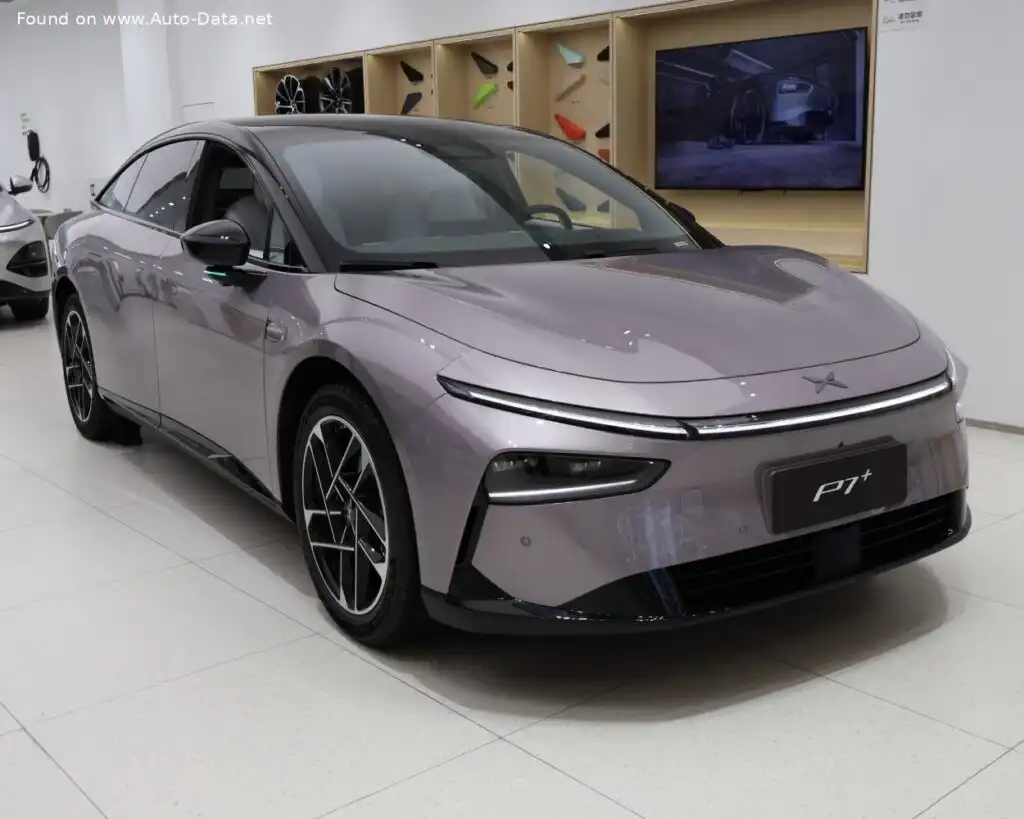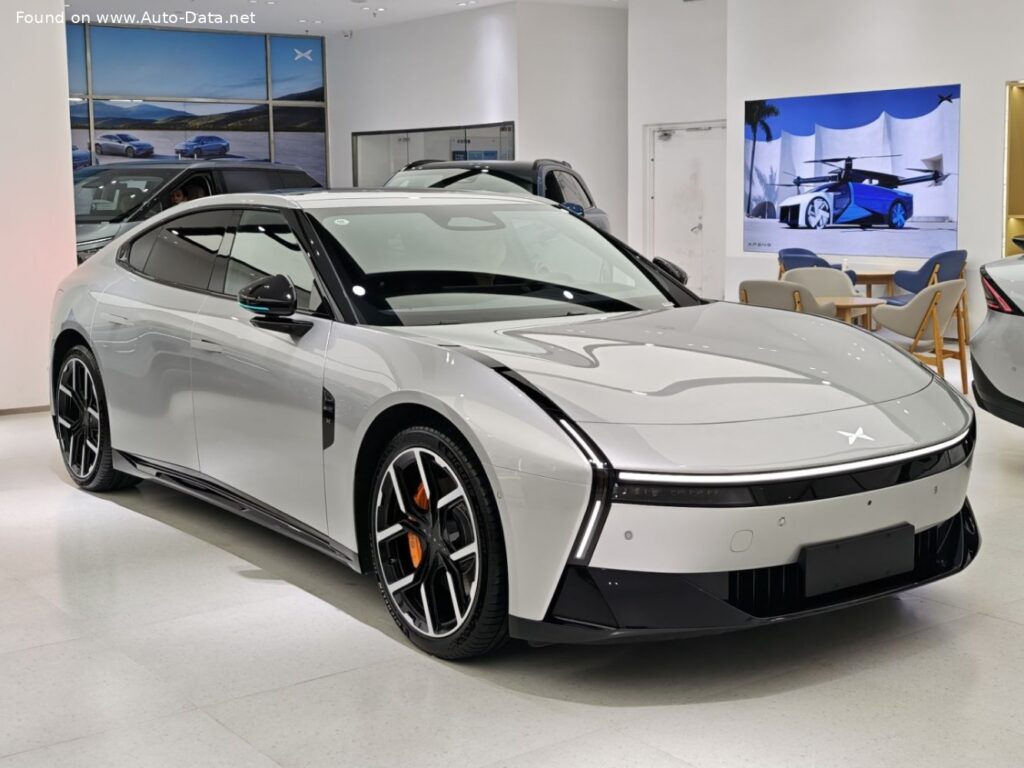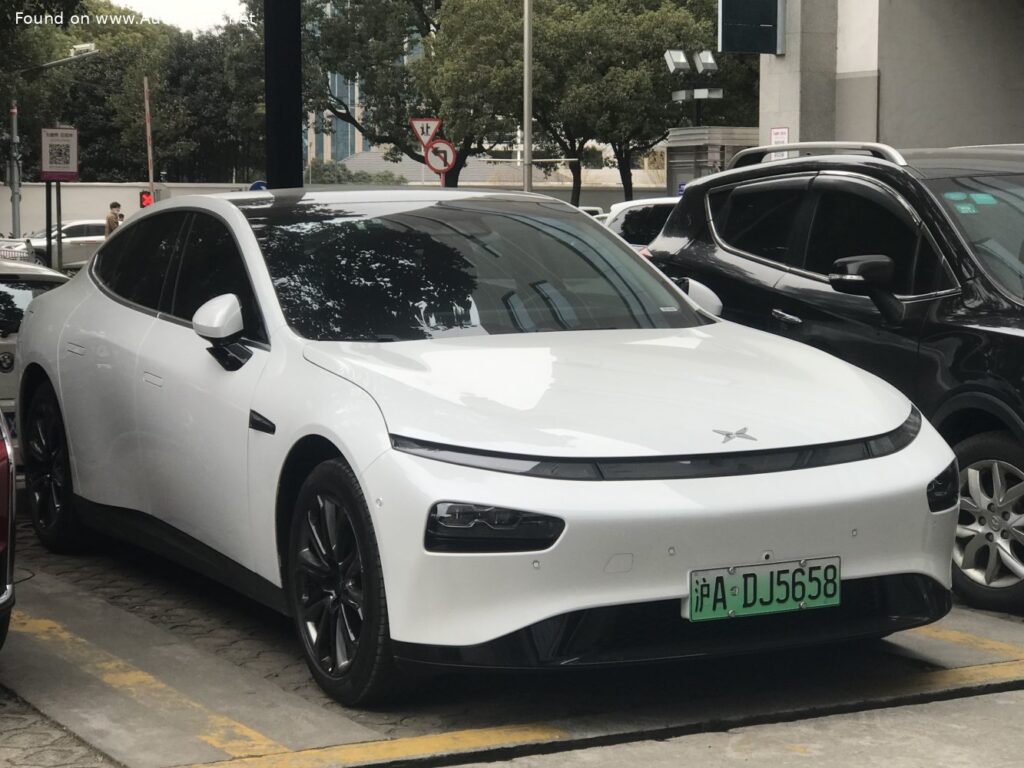
The XPENG P7 is an all-electric, mid-size fastback sedan manufactured by the Chinese automotive manufacturer XPENG. Introduced in March 2021, the P7 represents XPENG’s ambition to compete in the burgeoning electric vehicle market, particularly targeting tech-savvy consumers. While not initially sold in the United States, the P7 is a significant vehicle within the Chinese market and increasingly available in select European countries, showcasing the growing global influence of Chinese EV manufacturers. The P7 I 60.2 kWh Standard Range model, detailed here, serves as the entry point to the P7 lineup, offering a balance of range, performance, and affordability.
XPENG P7 I: Overview and Market Positioning
The XPENG P7 occupies the competitive mid-size electric sedan segment, directly challenging vehicles like the Tesla Model 3 and the BYD Han. It distinguishes itself through a focus on advanced technology, particularly in the realm of autonomous driving features and intelligent connectivity. The “I” designation within the P7 model range denotes a specific iteration, in this case, the Standard Range version equipped with a 60.2 kWh battery pack. This model prioritizes efficiency and accessibility, making it an attractive option for urban commuters and those new to electric vehicle ownership. XPENG’s strategy with the P7 is to offer a premium EV experience at a competitive price point, leveraging its in-house technology development capabilities.
Engine & Performance
The XPENG P7 I 60.2 kWh Standard Range is powered by a single electric motor located on the rear axle, delivering 267 horsepower and 390 Nm (287.65 lb.-ft.) of torque. This rear-wheel-drive configuration provides a responsive driving experience. The powertrain architecture is a fully electric BEV (Battery Electric Vehicle), relying solely on the battery pack for propulsion. The single-speed automatic transmission ensures smooth and seamless acceleration. The vehicle achieves a maximum speed of 170 km/h (105.63 mph). The weight-to-power ratio of 7.2 kg/Hp and a weight-to-torque ratio of 4.9 kg/Nm contribute to its respectable performance characteristics. The battery, utilizing Lithium Iron Phosphate (LiFePO4) technology, is positioned beneath the floor, optimizing weight distribution and maximizing interior space.
Design & Features
The XPENG P7 boasts a sleek, fastback design characterized by a flowing roofline and a minimalist aesthetic. Its aerodynamic profile, evidenced by a drag coefficient of 0.236, contributes to improved efficiency and range. The vehicle is a four-door, five-seater sedan, offering practical space for passengers and cargo. Key features include a spacious interior with a focus on technology integration. The P7 is equipped with advanced driver-assistance systems (ADAS), including ABS (Anti-lock Braking System), and is designed to accommodate future autonomous driving capabilities. The interior emphasizes a clean and modern design, with a large central touchscreen controlling many vehicle functions. Trunk space is rated at 440 liters (15.54 cu. ft.), providing ample room for luggage and other belongings. The P7’s design language reflects XPENG’s commitment to creating visually appealing and technologically advanced vehicles.
Safety and Technology
Safety is a paramount concern in modern vehicle design, and the XPENG P7 incorporates a range of safety features. The inclusion of ABS demonstrates a commitment to preventing skidding and maintaining control during emergency braking. Beyond standard safety equipment, the P7 is designed to integrate advanced driver-assistance systems, paving the way for higher levels of autonomous driving. The vehicle’s intelligent connectivity features allow for over-the-air software updates, ensuring that the P7 remains current with the latest technological advancements. The large central touchscreen serves as a hub for controlling vehicle functions, accessing navigation, and enjoying entertainment features. XPENG’s focus on technology extends to the battery management system, which optimizes battery performance and longevity.
Technical Specifications
| Brand | XPENG |
| Model | P7 |
| Generation | P7 I |
| Type | 60.2 kWh (267 Hp) RWD Standard Range |
| Start of production | March, 2021 |
| End of production | March, 2023 |
| Powertrain Architecture | BEV (Electric Vehicle) |
| Body type | Sedan, Fastback |
| Seats | 5 |
| Doors | 4 |
| Fuel Type | Electricity |
| Maximum speed | 170 km/h (105.63 mph) |
| Weight-to-power ratio | 7.2 kg/Hp |
| Weight-to-torque ratio | 4.9 kg/Nm |
| Gross battery capacity | 60.2 kWh |
| Battery technology | Lithium iron phosphate (LiFePO4) |
| Battery location | Below the floor |
| All-electric range | 480 km (298.26 mi) |
| Electric motor power | 267 Hp |
| Electric motor Torque | 390 Nm (287.65 lb.-ft.) |
| Electric motor location | Rear axle, Transverse |
| System power | 267 Hp |
| System torque | 390 Nm (287.65 lb.-ft.) |
| Kerb Weight | 1920 kg (4232.88 lbs.) |
| Trunk (boot) space – minimum | 440 l (15.54 cu. ft.) |
| Length | 4880 mm (192.13 in.) |
| Width | 1896 mm (74.65 in.) |
| Height | 1450 mm (57.09 in.) |
| Wheelbase | 2998 mm (118.03 in.) |
| Front track | 1615 mm (63.58 in.) |
| Rear (Back) track | 1621 mm (63.82 in.) |
| Drag coefficient (Cd) | 0.236 |
| Drivetrain Architecture | One electric motor drives the rear wheels. |
| Drive wheel | Rear wheel drive |
| Number of gears and type of gearbox | 1 gears, automatic transmission |
| Front suspension | Double wishbone |
| Rear suspension | Independent multi-link suspension |
| Front brakes | Ventilated discs |
| Rear brakes | Ventilated discs |
| Assisting systems | ABS (Anti-lock braking system) |
| Steering type | Steering rack and pinion |
| Tires size | 245/50 R18; 245/45 R19 |
| Wheel rims size | 18; 19 |
The XPENG P7 I 60.2 kWh Standard Range represents a compelling entry point into the world of electric vehicles, offering a blend of performance, technology, and practicality. Its success in the Chinese market and growing presence internationally demonstrate the increasing competitiveness of Chinese EV manufacturers on the global stage.