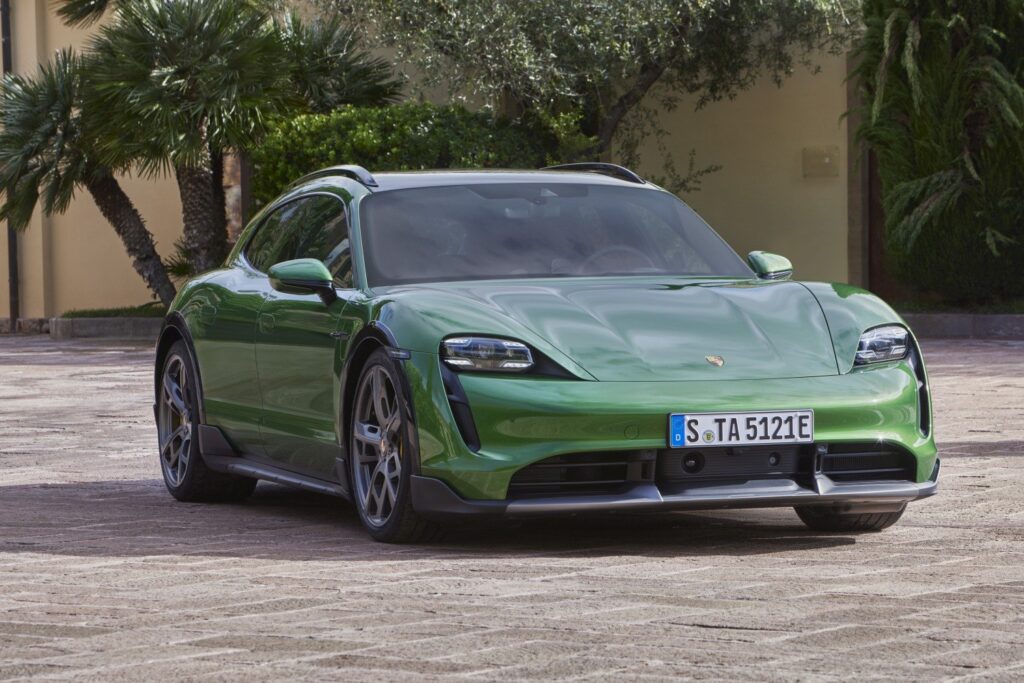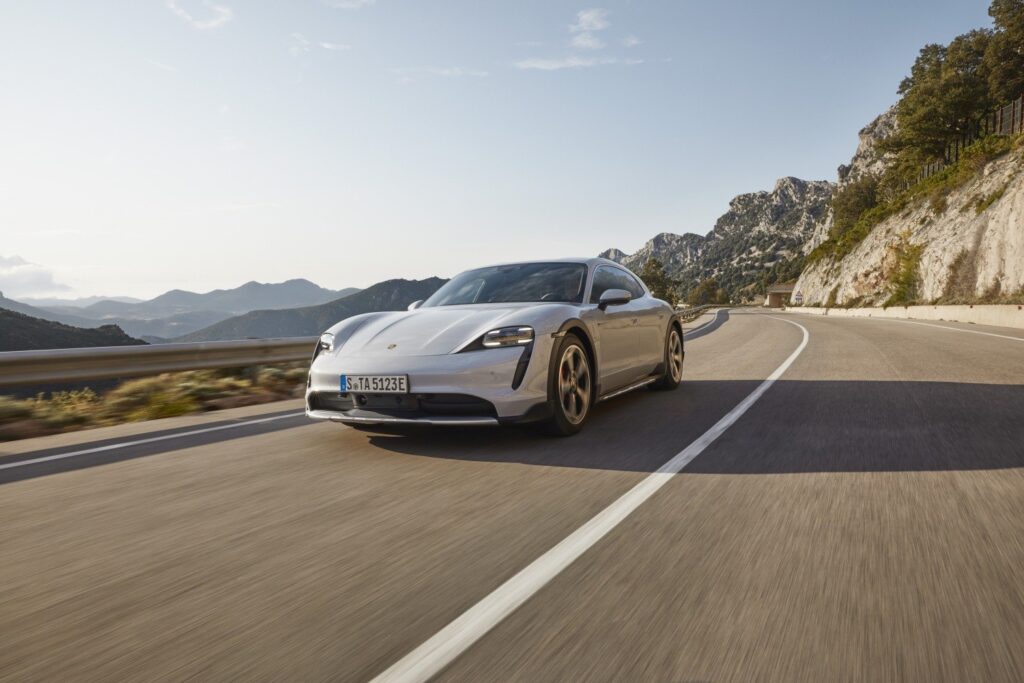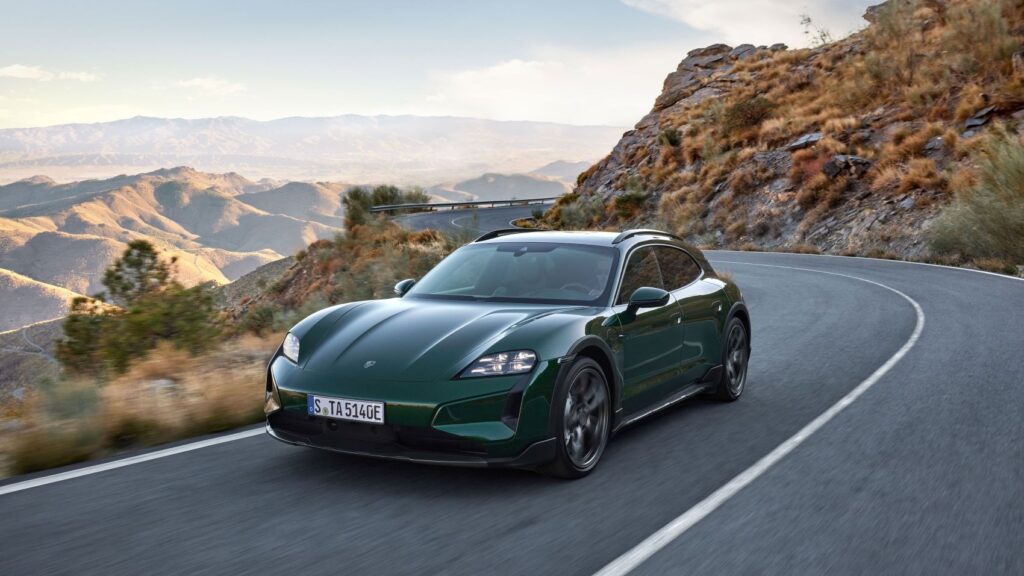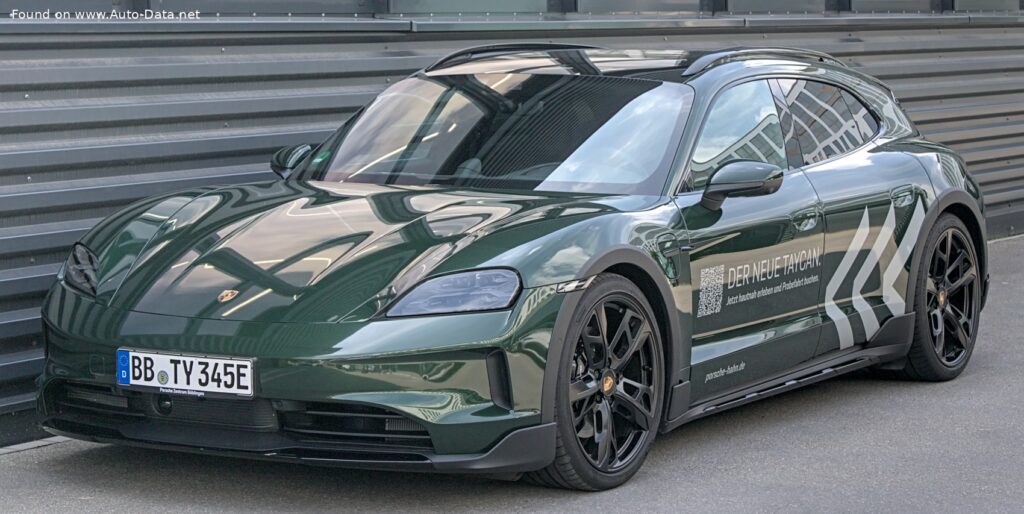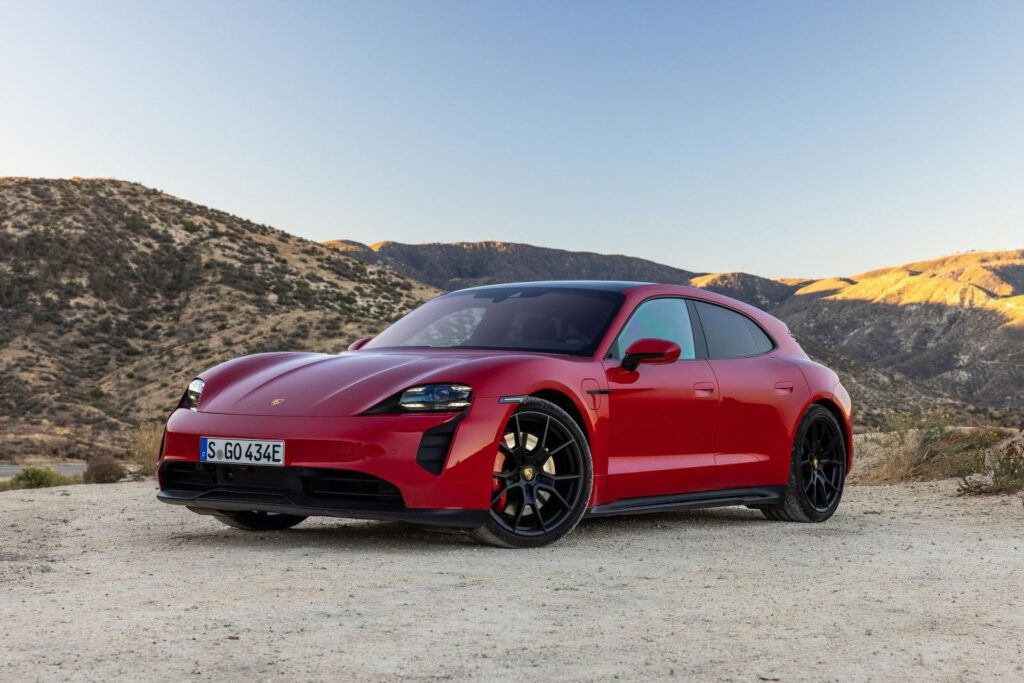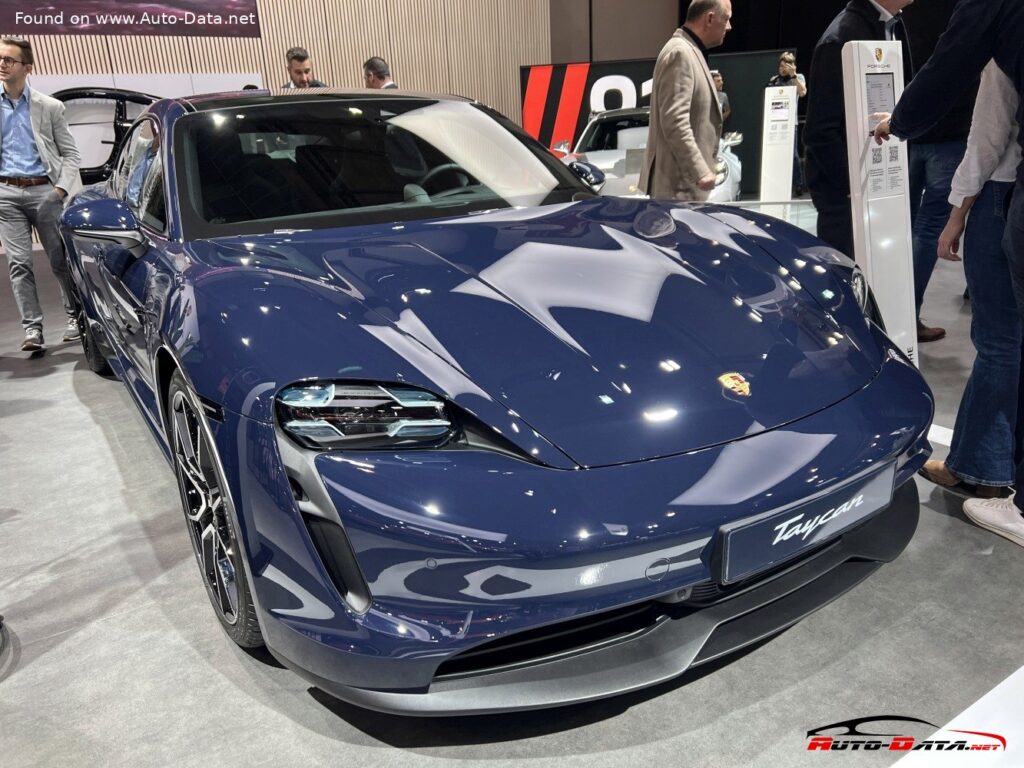
The Porsche Taycan, specifically the 4S Performance model with a 79.2 kWh battery, represents Porsche’s first foray into the all-electric vehicle market. Introduced in 2020 and produced through February 2024, the Taycan aimed to deliver the performance and luxury expected of the Porsche brand, but with a zero-emission powertrain. Positioned in the premium mid-size executive car segment, it competes with vehicles like the Tesla Model S, Audi e-tron GT, and Mercedes-Benz EQS. The Taycan 4S Performance is a key variant, balancing range, performance, and price within the broader Taycan lineup.
Porsche Taycan 4S Performance: A Deep Dive
The Taycan’s development was a significant undertaking for Porsche, requiring a completely new platform and engineering approach. Unlike many electric vehicles that prioritize range above all else, Porsche focused on maintaining the driving dynamics and responsiveness that define its sports cars. The 4S Performance model exemplifies this philosophy, offering exhilarating acceleration and handling characteristics while providing a usable electric range for daily driving.
Engine & Performance
The Porsche Taycan 4S Performance is powered by two permanently excited synchronous electric motors – one driving the front axle and one driving the rear axle, resulting in an all-wheel-drive (4×4) configuration. This dual-motor setup delivers a combined system output of 530 horsepower (Hp) and 640 Newton-meters (472.04 lb.-ft.) of torque. The powertrain utilizes an 800-volt architecture, a relatively high voltage for electric vehicles at the time of its release, enabling faster charging times and improved energy efficiency. The car can accelerate from 0 to 60 mph in just 3.8 seconds, 0 to 62 mph in 4 seconds, and 0 to 100 mph in 4 seconds, and reach a maximum speed of 155.34 mph (250 km/h). A two-speed automatic transmission is employed on the rear axle to optimize both acceleration and efficiency. The weight-to-power ratio is 4 kg/Hp, and 247.7 Hp/tonne, showcasing the vehicle’s performance potential.
Design & Features
The Taycan boasts a sleek, aerodynamic design that is instantly recognizable as a Porsche. Its low-slung silhouette, sculpted body panels, and distinctive headlight design contribute to a drag coefficient of just 0.22. The four-door sedan body style provides practicality without sacrificing style. Inside, the Taycan features a minimalist and modern interior with a focus on high-quality materials and advanced technology. The dashboard is dominated by a large, curved display that integrates the instrument cluster and infotainment system.
Key features of the Taycan 4S Performance include an air suspension system for a comfortable ride, ventilated disc brakes (360mm front, 358mm rear) for powerful stopping performance, and advanced driver-assistance systems such as ABS (Anti-lock braking system) and 4-wheel steering (4WS, active rear steering). The interior offers seating for four passengers and a trunk (boot) space of 407 liters (14.37 cu. ft.). The battery pack is located under the floor, contributing to a low center of gravity and improved handling. The vehicle’s dimensions are 4963 mm (195.39 in.) in length, 1966 mm (77.4 in.) in width, and 1379 mm (54.29 in.) in height, with a wheelbase of 2900 mm (114.17 in.).
Technical Specifications
| Brand | Porsche |
| Model | Taycan |
| Generation | Taycan (Y1A) |
| Type | 4S Performance 79.2 kWh (530 Hp) |
| Start of production | 2020 |
| End of production | February, 2024 |
| Powertrain Architecture | BEV (Electric Vehicle) |
| Body type | Sedan |
| Seats | 4 |
| Doors | 4 |
| Fuel Type | Electricity |
| Acceleration 0 – 100 km/h | 4 sec |
| Acceleration 0 – 62 mph | 4 sec |
| Acceleration 0 – 60 mph | 3.8 sec |
| Acceleration 0 – 200 km/h | 13.3 sec |
| Maximum speed | 250 km/h (155.34 mph) |
| Weight-to-power ratio | 4 kg/Hp, 247.7 Hp/tonne |
| Weight-to-torque ratio | 3.3 kg/Nm, 299.1 Nm/tonne |
| Gross battery capacity | 79.2 kWh |
| Net (usable) battery capacity | 71 kWh |
| Battery voltage | 800 V |
| Battery technology | Lithium-ion (Li-Ion) |
| Battery location | Below the floor |
| All-electric range (WLTP) | 335-408 km (208.16 – 253.52 mi) |
| Average Energy consumption (WLTP) | 21-25.6 kWh/100 km (33.8 – 41.2 kWh/100 mi) |
| Average Energy consumption (NEDC) | 24.6 kWh/100 km (39.59 kWh/100 mi) |
| Electric motor 1 | EBF |
| Electric motor location 1 | Rear axle, Transverse |
| Electric motor type 1 | Synchronous |
| Electric motor 2 | EBG |
| Electric motor location 2 | Front axle, Transverse |
| Electric motor type 2 | Synchronous |
| System power | 530 Hp |
| System torque | 640 Nm (472.04 lb.-ft.) |
| Kerb Weight | 2140 kg (4717.89 lbs.) |
| Max. weight | 2880 kg (6349.31 lbs.) |
| Max load | 740 kg (1631.42 lbs.) |
| Trunk (boot) space – minimum | 407 l (14.37 cu. ft.) |
| Max. roof load | 75 kg (165.35 lbs.) |
| Length | 4963 mm (195.39 in.) |
| Width | 1966 mm (77.4 in.) |
| Width including mirrors | 2144 mm (84.41 in.) |
| Height | 1379 mm (54.29 in.) |
| Wheelbase | 2900 mm (114.17 in.) |
| Front track | 1710 mm (67.32 in.) |
| Rear (Back) track | 1694 mm (66.69 in.) |
| Ride height (ground clearance) | 127 mm (5 in.) |
| Drag coefficient (Cd) | 0.22 |
| Minimum turning circle (turning diameter) | 11.2 m (36.75 ft.) |
| Front brakes | Ventilated discs, 360×36 mm |
| Rear brakes | Ventilated discs, 358×28 mm |
| Front tires | 225/55 R19 |
| Rear tires | 275/45 R19 |
| Front wheel rims | 8J x 19 |
| Rear wheel rims | 10J x 19 |
| Number of gears and type of gearbox | 2 gears, automatic transmission |
The Porsche Taycan 4S Performance marked a pivotal moment for the brand, demonstrating its commitment to electric mobility without compromising on the performance and luxury that Porsche is renowned for. Its advanced technology, striking design, and exhilarating driving experience have established it as a leading contender in the rapidly evolving electric vehicle market.