
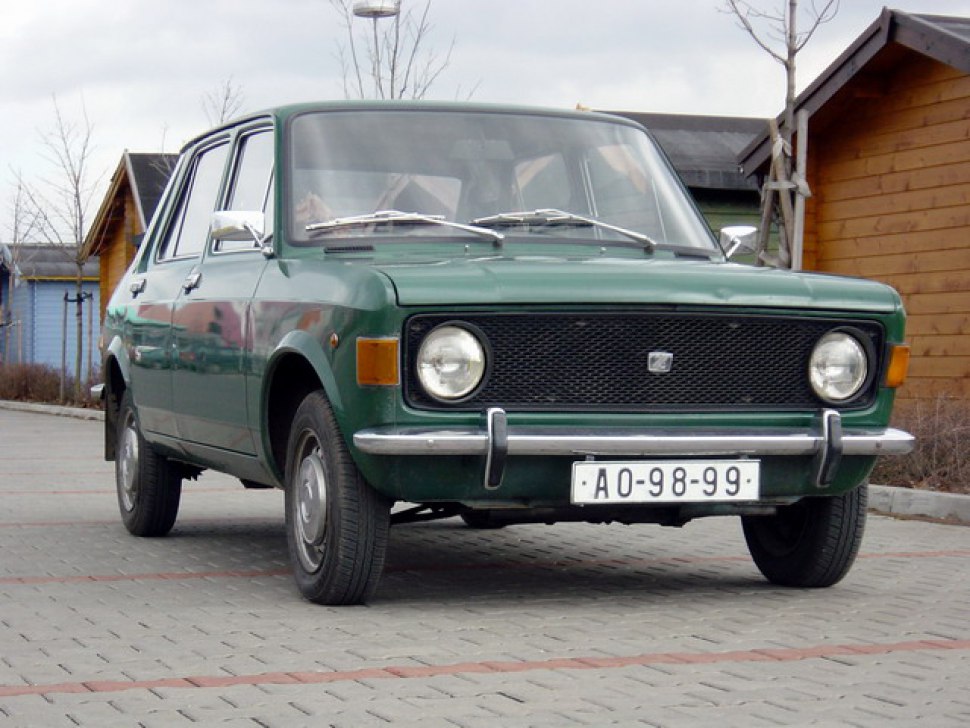
The Zastava 101, specifically the 1100 model with the 1.1 Super (64 Hp) engine, represents a significant chapter in the history of Serbian automotive manufacturing. Produced from 1979 to 1981, this hatchback was a cornerstone of personal transportation in Yugoslavia and, for a time, a symbol of the nation’s industrial capability. While largely unknown in the North American market, the 101 played a crucial role in motorizing the region, offering an affordable and relatively modern vehicle to a broad segment of the population. It was based on the Fiat 128, a design licensed from Italy, and underwent numerous modifications and updates throughout its production run. The 1.1 Super variant, with its slightly increased displacement and power output, was positioned as a more refined offering within the 101 lineup.
Zastava 101: A Legacy of Licensed Production
The Zastava Automobiles factory, located in Kragujevac, Serbia, began its automotive journey in the 1950s through licensed production of Fiat vehicles. This partnership proved vital for establishing a domestic automotive industry. The Zastava 101, launched in 1970, was the direct successor to earlier Fiat-based models and represented a substantial step forward in terms of design and engineering. The 1100 series, introduced in 1979, incorporated improvements to the engine and interior, aiming to enhance both performance and comfort. The 1.1 Super trim level, with its 64 horsepower engine, was intended to appeal to buyers seeking a more spirited driving experience. The car’s enduring popularity stemmed from its practicality, affordability, and ease of maintenance, making it a common sight on Yugoslavian roads for decades.
Engine & Performance
The Zastava 101 1.1 Super is powered by a 1.1-liter, naturally aspirated inline-four cylinder gasoline engine. This engine produced 64 horsepower, a modest output by modern standards, but sufficient for the vehicle’s weight and intended purpose. The engine featured a single overhead camshaft (SOHC) configuration and a two-barrel carburetor, contributing to its relatively simple and reliable operation. Power was delivered to the front wheels via a four-speed manual transmission. While performance figures were not extensively documented, the 1.1 Super offered a reasonable level of acceleration and a top speed estimated around 85-90 mph. The engine’s design prioritized fuel efficiency and durability over outright power, reflecting the economic conditions and driving needs of its target market. The 1.1-liter engine was an evolution of the original 101’s powerplant, offering a slight increase in displacement and a corresponding boost in horsepower. This resulted in improved responsiveness and a more enjoyable driving experience, particularly when compared to earlier, lower-powered versions of the 101.
Design & Features
The Zastava 101 1.1 Super is a three-door hatchback, characterized by its compact dimensions and functional design. The body style was typical of European small cars of the 1970s, prioritizing practicality and space efficiency. The car’s exterior featured a relatively simple, boxy shape with rounded edges. Chrome trim was used sparingly, contributing to a clean and understated aesthetic. The interior was similarly functional, with basic instrumentation and durable materials. The 1.1 Super trim level included upgrades such as improved upholstery, a more comfortable steering wheel, and additional interior trim pieces. Safety features were limited by the standards of the time, consisting primarily of seatbelts and a collapsible steering column. However, the 101’s robust construction and relatively light weight provided a degree of inherent safety. The hatchback configuration offered good cargo capacity for its size, making it a practical choice for families and individuals alike. The car’s suspension system, consisting of independent front suspension and a trailing arm rear suspension, provided a comfortable ride quality, even on rough roads. The 101’s design was heavily influenced by the Fiat 128, but Zastava engineers made numerous modifications to adapt the car to local conditions and preferences.
Technical Specifications
| Brand | Zastava |
| Model | 101 (1100) |
| Generation | 101 (1100) |
| Type | 1.1 Super (64 Hp) |
| Start of production | 1979 |
| End of production | 1981 |
| Powertrain Architecture | Internal Combustion engine |
| Body type | Hatchback |
| Fuel Type | Petrol (Gasoline) |
| Engine specs Power | 64 Hp |
| Engine aspiration | Naturally aspirated engine |
The Zastava 101, and specifically the 1.1 Super variant, remains a significant vehicle in the automotive history of the former Yugoslavia. Its production represented a key element in the country’s industrial development and provided affordable transportation for a generation of citizens. While not widely known outside of its region, the 101’s legacy endures as a symbol of Serbian engineering and a testament to the enduring appeal of simple, reliable, and practical automobiles. The car’s continued presence on roads throughout the Balkans speaks to its durability and the strong emotional connection that many people have with this iconic vehicle. The 101’s story is one of adaptation and resilience, reflecting the challenges and triumphs of the nation it served. Even today, enthusiast communities maintain and restore these vehicles, preserving a piece of automotive history for future generations. The Zastava 101, in its various iterations, served as a foundational vehicle for the Yugoslavian automotive industry, paving the way for future models and establishing a domestic manufacturing base.
