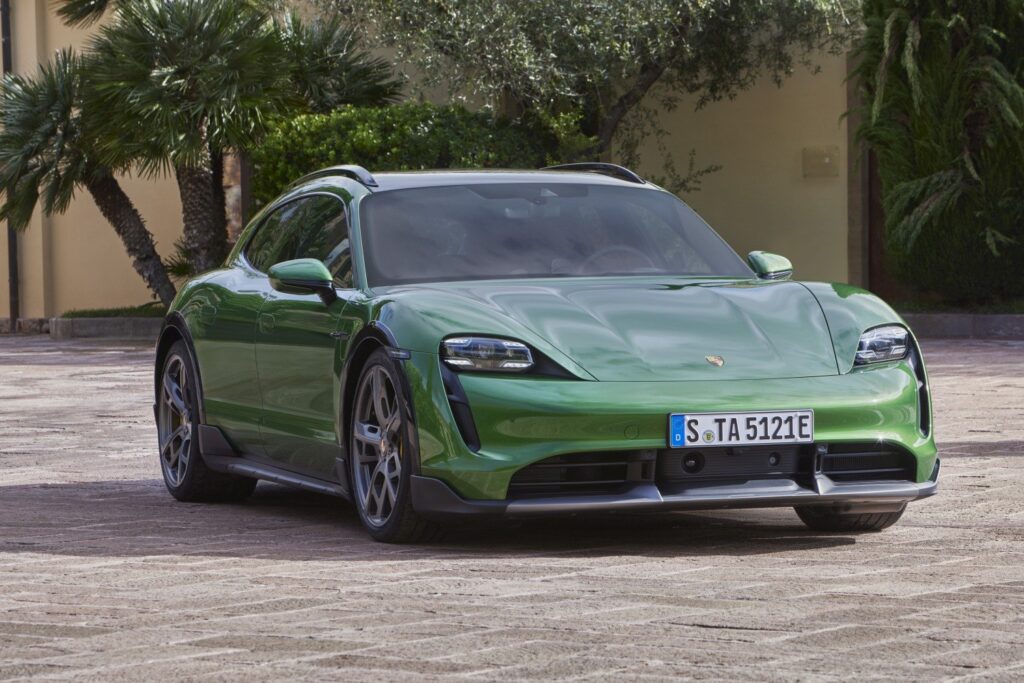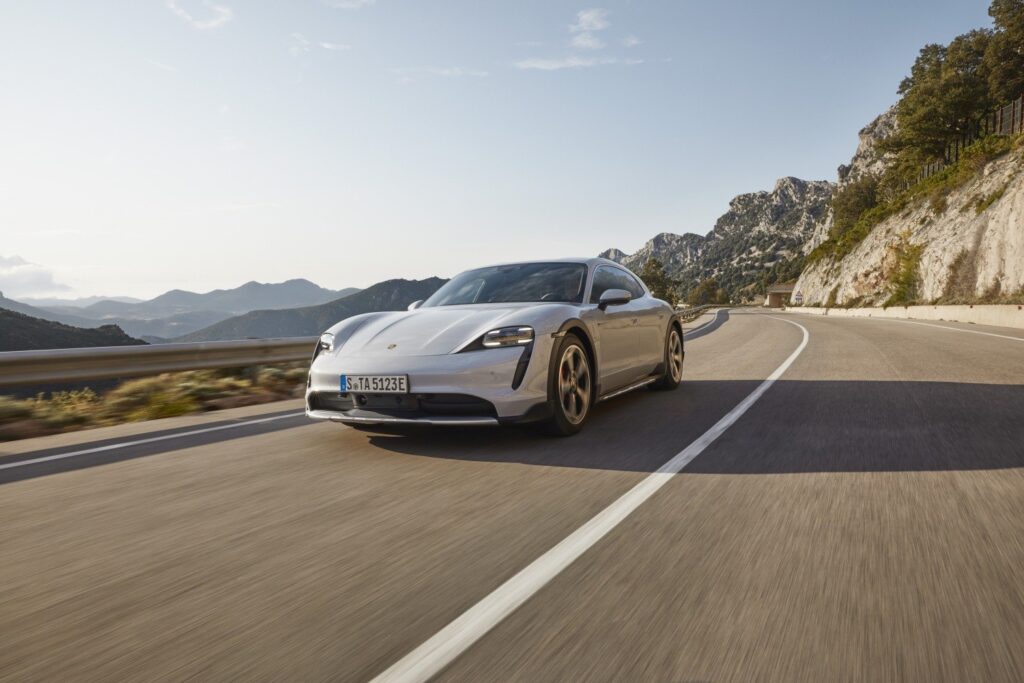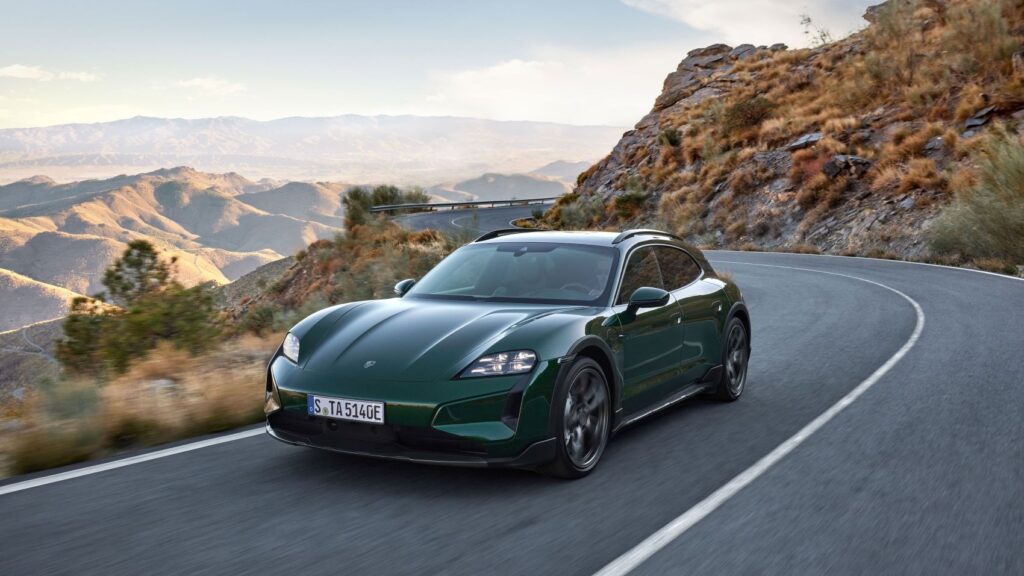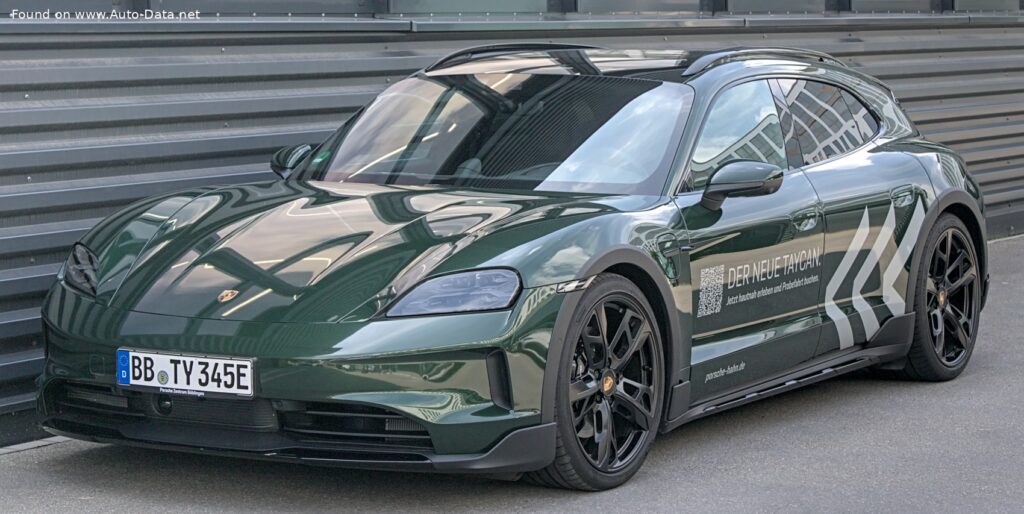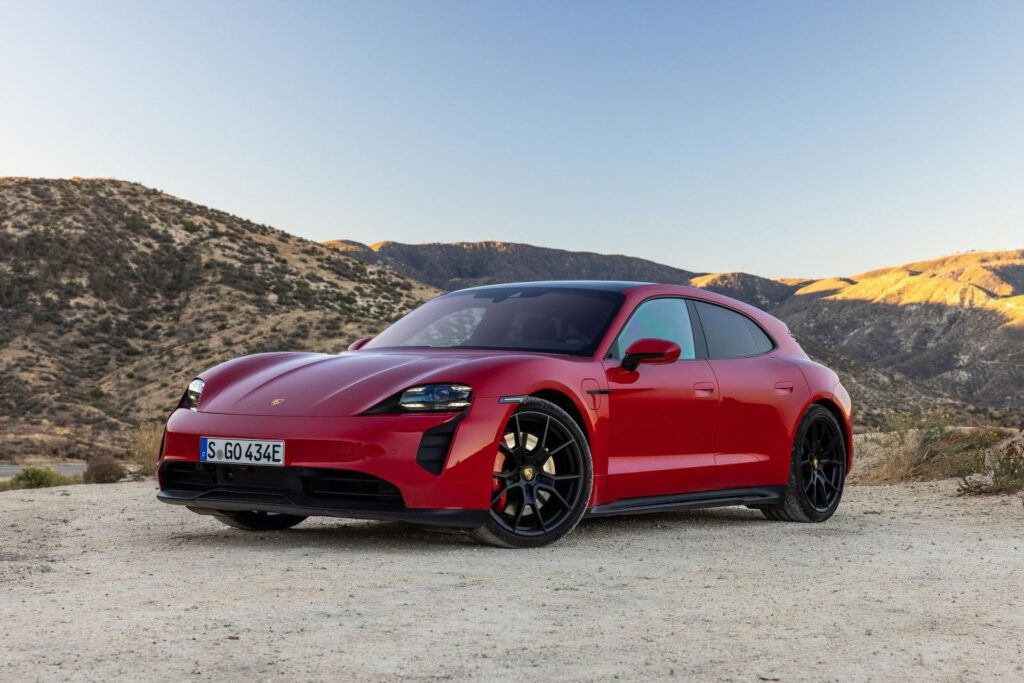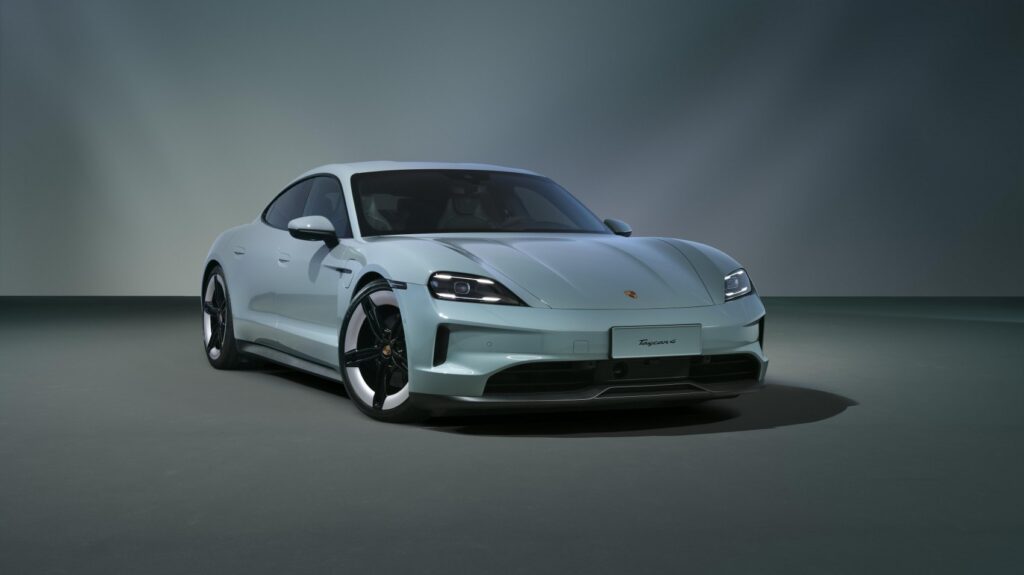
The Porsche Taycan, introduced in 2019, represents Porsche’s first foray into the all-electric vehicle market. The Porsche Taycan (Y1A, facelift 2024) 4 89 kWh (408 Hp) model is a significant iteration of the original, building upon the established performance and luxury while incorporating updated technology and design elements. Positioned within the premium electric sedan segment, it competes with vehicles like the Tesla Model S, Audi e-tron GT, and Mercedes-Benz EQS. This particular variant, with its 89 kWh battery pack, offers a balance between range and performance, catering to drivers seeking a dynamic and efficient electric driving experience.
Engine & Performance
The Taycan 4 89 kWh utilizes a dual-motor, all-wheel-drive (AWD) powertrain, a hallmark of Porsche’s engineering. Each axle is driven by a permanently excited synchronous motor, delivering instant torque and precise control. The system generates a total output of 408 horsepower and 585 Nm (431.47 lb.-ft.) of torque. This configuration allows for brisk acceleration, achieving 0-60 mph in 4.4 seconds, 0-62 mph in 4.6 seconds, and 0-100 km/h in 4.6 seconds. Top speed is electronically limited to 230 km/h (142.92 mph). The Taycan’s 800-volt architecture enables exceptionally fast charging times, a key advantage in the electric vehicle landscape. The vehicle boasts a weight-to-power ratio of 5.3 kg/Hp and a weight-to-torque ratio of 3.7 kg/Nm, contributing to its responsive handling. Recuperation output reaches 400 kW, maximizing energy recovery during deceleration.
Design & Features
The Taycan maintains Porsche’s signature design language, albeit adapted for an electric vehicle. Its sleek, low-slung silhouette and four-door sedan body style emphasize aerodynamic efficiency. The 2024 facelift brings subtle but noticeable refinements to the exterior, including revised front and rear fascias. Inside, the Taycan offers a luxurious and technologically advanced cabin. The interior features a minimalist design with a focus on high-quality materials and intuitive controls. A prominent central touchscreen display integrates infotainment and vehicle settings. The Taycan prioritizes driver and passenger comfort with seating for four to five occupants. Safety features are comprehensive, including ABS, and a suite of advanced driver-assistance systems (ADAS) designed to enhance safety and convenience. The vehicle’s trunk offers 407 liters (14.37 cu. ft.) of storage space.
Technological Advancements
The Taycan’s technological prowess extends beyond its powertrain. The 800-volt architecture allows for charging up to 270 kW at compatible DC fast-charging stations, enabling a significant range boost in a short amount of time. The Porsche Active Suspension Management (PASM) system, utilizing air suspension, provides a comfortable ride and precise handling. The vehicle’s software is continuously updated over-the-air, adding new features and improving performance. The Taycan also incorporates Porsche’s innovative e-Performance Management system, optimizing energy usage and maximizing range.
Technical Specifications
| Brand | Porsche |
| Model | Taycan |
| Generation | Taycan (Y1A, facelift 2024) |
| Type (Engine) | 4 89 kWh (408 Hp) |
| Start of production | November, 2024 |
| Powertrain Architecture | BEV (Electric Vehicle) |
| Body type | Sedan |
| Seats | 4-5 |
| Doors | 4 |
| Fuel Type | Electricity |
| Acceleration 0 – 100 km/h | 4.6 sec |
| Acceleration 0 – 62 mph | 4.6 sec |
| Acceleration 0 – 60 mph | 4.4 sec |
| Acceleration 0 – 200 km/h | 17 sec |
| Maximum speed | 230 km/h (142.92 mph) |
| Weight-to-power ratio | 5.3 kg/Hp |
| Weight-to-torque ratio | 3.7 kg/Nm |
| Gross battery capacity | 89 kWh |
| Net (usable) battery capacity | 82.3 kWh |
| Battery voltage | 800 V |
| Battery technology | Lithium-ion (Li-Ion) |
| Battery location | Below the floor |
| Recuperation output | 400 kW |
| All-electric range (WLTP) | 478-560 km (297.02 – 347.97 mi) |
| Average Energy consumption (WLTP) | 17.6-20.6 kWh/100 km (28.32 – 33.15 kWh/100 mi) |
| Electric motor 1 location | Rear axle, Transverse |
| Electric motor 2 location | Front axle, Transverse |
| System power | 408 Hp |
| System torque | 585 Nm (431.47 lb.-ft.) |
| Kerb Weight | 2170 kg (4784.03 lbs.) |
| Max. weight | 2880 kg (6349.31 lbs.) |
| Max load | 710 kg (1565.28 lbs.) |
| Trunk (boot) space – minimum | 407 l (14.37 cu. ft.) |
| Max. roof load | 75 kg (165.35 lbs.) |
| Length | 4963 mm (195.39 in.) |
| Width | 1966 mm (77.4 in.) |
| Width including mirrors | 2144 mm (84.41 in.) |
| Height | 1379 mm (54.29 in.) |
| Wheelbase | 2900 mm (114.17 in.) |
| Ride height (ground clearance) | 127 mm (5 in.) |
| Minimum turning circle (turning diameter) | 11.7 m (38.39 ft.) |
| Drivetrain Architecture | One electric motor drives the front wheels, one electric motor drives the rear wheels. |
| Drive wheel | All wheel drive (4×4) |
| Number of gears and type of gearbox | 2 gears, automatic transmission |
| Front suspension | Double wishbone, Air suspension |
| Rear suspension | Independent multi-link suspension, Air suspension |
| Front brakes | Ventilated discs |
| Rear brakes | Ventilated discs |
| Tires size Front | 225/55 R19; 245/45 R20; 265/35 R21 |
| Tires size Rear | 275/45 R19; 285/40 R20; 305/30 R21 |