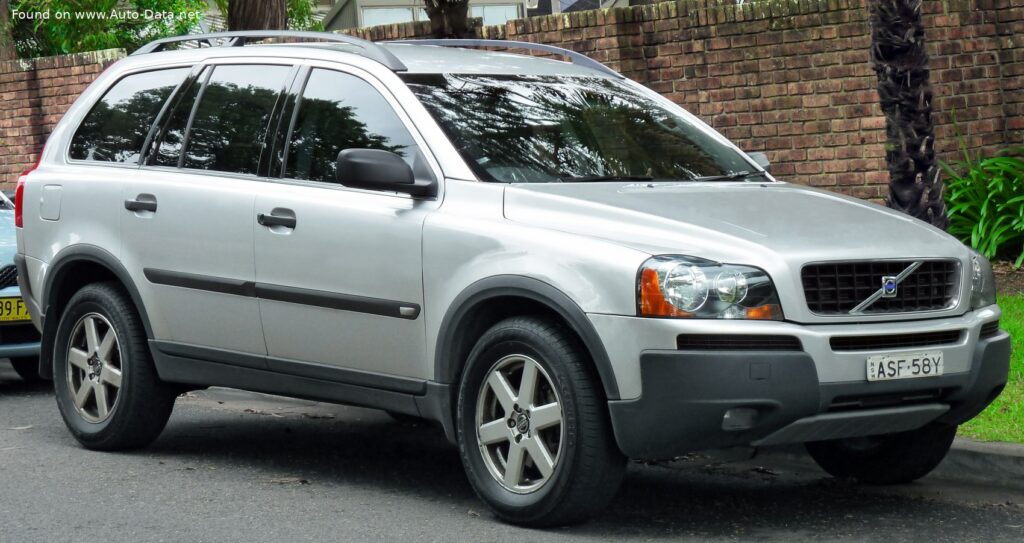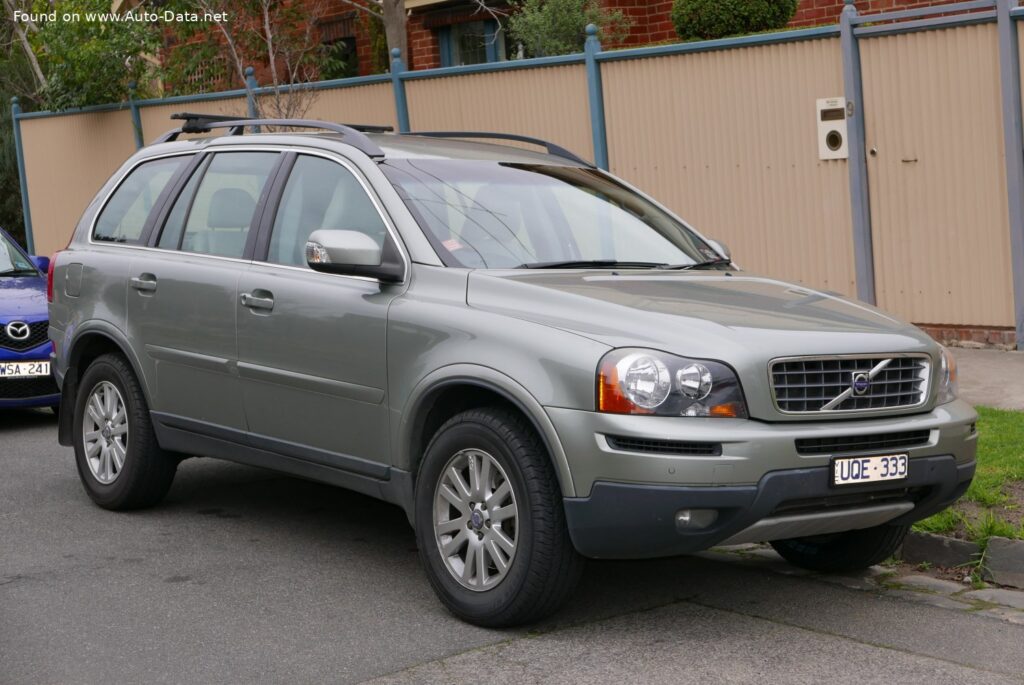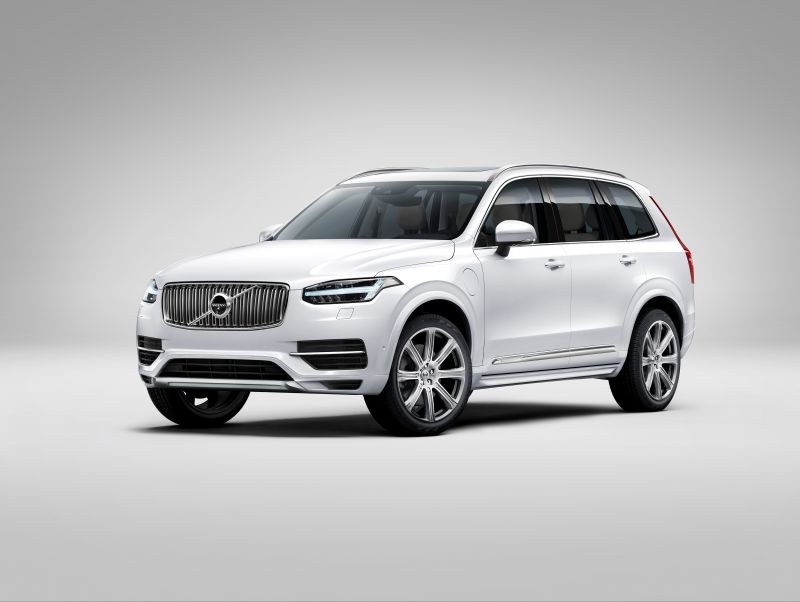
The Volvo XC90 II 2.0 T5 AWD Automatic represents a significant entry point into the second generation of Volvo’s flagship SUV, produced from 2018 to 2019. Positioned as the base model within the XC90 II range, it offered a blend of Scandinavian luxury, safety features, and a more accessible price point compared to the higher-trim T6 and T8 variants. The XC90 II, built on Volvo’s Scalable Product Architecture (SPA) platform, aimed to redefine the premium SUV segment with its focus on interior design, technology, and a commitment to reducing its environmental impact. The 2.0 T5 model specifically targeted buyers prioritizing fuel efficiency and a comfortable driving experience over outright performance.
Powertrain & Engine Architecture
At the heart of the XC90 II 2.0 T5 lies Volvo’s B4204T26 engine, a 2.0-liter inline-four cylinder gasoline engine. This engine is a key component of Volvo’s Drive-E powertrain family, characterized by its modular design and focus on efficiency. The B4204T26 utilizes direct fuel injection and a single turbocharger with an intercooler to achieve a balance between power and fuel economy. The engine produces 250 horsepower at 5500 rpm and 350 Nm (258.15 lb-ft) of torque between 1800 and 4800 rpm. The compression ratio is set at 10.8:1, contributing to efficient combustion.
Paired with the 2.0-liter engine is an 8-speed automatic transmission, sourced from Aisin. This transmission is known for its smooth shifting characteristics and responsiveness. The automatic transmission is integral to the T5’s appeal, offering ease of use and a relaxed driving experience, particularly in urban environments. The transmission is electronically controlled, adapting shift points based on driving conditions and driver input. All-wheel drive (AWD) is standard on the 2.0 T5, providing enhanced traction and stability in various weather conditions. The AWD system is primarily front-wheel drive, engaging the rear wheels as needed to maintain grip.
Fuel Injection and Valvetrain
The B4204T26 engine employs direct injection technology, where fuel is injected directly into the combustion chamber. This allows for more precise fuel control, improved combustion efficiency, and reduced emissions. The engine also features a Double Overhead Camshaft (DOHC) valvetrain with four valves per cylinder. This configuration optimizes airflow into and out of the engine, contributing to its power output and responsiveness. The valvetrain is designed for quiet operation and durability.
Driving Characteristics
The XC90 II 2.0 T5 AWD Automatic delivers a comfortable and refined driving experience. Acceleration from 0 to 60 mph is achieved in approximately 7.5 seconds, and 0-100 km/h in 7.9 seconds, making it adequately quick for everyday driving. While not as sporty as the T6 or T8 models, the T5 provides sufficient power for merging onto highways and overtaking other vehicles. The 8-speed automatic transmission contributes to smooth and seamless gear changes, enhancing the overall driving experience. The AWD system provides confident handling in various conditions, particularly on slippery surfaces.
Compared to the supercharged and turbocharged T6, and the plug-in hybrid T8, the T5 offers a more relaxed and fuel-efficient driving experience. The T6 provides significantly more power and quicker acceleration, while the T8 offers electric-only driving capability and even greater performance. The T5’s gear ratios are tuned for fuel economy and comfortable cruising, rather than aggressive acceleration. The power delivery is linear and predictable, making it easy to modulate the throttle and maintain control.
Equipment & Trim Levels
The XC90 II 2.0 T5 typically came standard with a generous array of features, reflecting Volvo’s commitment to safety and luxury. Standard equipment included leather upholstery, a panoramic sunroof, a 9-inch touchscreen infotainment system with Apple CarPlay and Android Auto compatibility, a rearview camera, and a suite of advanced safety features such as automatic emergency braking, lane keeping assist, and adaptive cruise control.
Optional extras included premium audio systems (Bowers & Wilkins), ventilated and massaging front seats, a head-up display, and a 360-degree camera system. Trim levels beyond the base T5 often included upgraded interior finishes, exterior styling enhancements, and additional convenience features. The interior design emphasized Scandinavian minimalism, with clean lines, high-quality materials, and a focus on creating a calming and inviting atmosphere.
Chassis & Braking
The XC90 II utilizes a double wishbone front suspension and a transverse stabilizer bar, providing a comfortable ride and responsive handling. The rear suspension features a transverse stabilizer bar and torsion beam. This suspension setup is tuned to prioritize ride comfort and stability, rather than outright sportiness. The XC90 II 2.0 T5 has a curb weight ranging from 2136 to 2151 kg (4709.07 – 4742.14 lbs), which influences its handling characteristics.
The braking system consists of disc brakes on all four wheels, with 345mm discs at the front and 320mm discs at the rear. The braking system is equipped with ABS (Anti-lock Braking System) and electronic brake-force distribution, ensuring optimal stopping performance and stability. The electric power steering provides precise and responsive steering feel.
Market Reception & Comparison
The Volvo XC90 II 2.0 T5 was generally well-received by critics, who praised its comfortable ride, spacious interior, and advanced safety features. However, some reviewers noted that its acceleration was not as brisk as that of its competitors, particularly the higher-trim models. Fuel economy was considered to be competitive for its class, with combined fuel consumption ranging from 7.9 to 8.1 l/100 km (29.8 – 29 US mpg).
Compared to other SUVs in the same segment, such as the Audi Q7 and BMW X5, the XC90 II 2.0 T5 offered a unique blend of Scandinavian design, safety features, and value. The T5’s lower price point made it an attractive option for buyers who prioritized comfort and practicality over outright performance. Reliability reports have generally been positive, with the B4204T26 engine proving to be a durable and dependable unit.
Technical Specifications
| Engine Model/Code | B4204T26 |
| Engine Displacement | 1969 cm3 (120.16 cu. in.) |
| Number of Cylinders | 4, Inline |
| Cylinder Bore | 82 mm (3.23 in.) |
| Piston Stroke | 93.2 mm (3.67 in.) |
| Compression Ratio | 10.8:1 |
| Fuel Injection System | Direct Injection |
| Engine Aspiration | Turbocharger, Intercooler |
| Maximum Power | 250 Hp @ 5500 rpm |
| Maximum Torque | 350 Nm (258.15 lb.-ft.) @ 1800-4800 rpm |
| Fuel Consumption (Urban) | 9.4-10.2 l/100 km (25 – 23.1 US mpg) |
| Fuel Consumption (Extra Urban) | 7.0-7.1 l/100 km (33.6 – 33.1 US mpg) |
| Fuel Consumption (Combined) | 7.9-8.1 l/100 km (29.8 – 29 US mpg) |
| CO2 Emissions | 184-189 g/km |
| Kerb Weight | 2136-2151 kg (4709.07 – 4742.14 lbs.) |
| Fuel Tank Capacity | 71 l (18.76 US gal | 15.62 UK gal) |
| Transmission | 8-speed Automatic |
| Drive Type | All-Wheel Drive (AWD) |
Legacy
The Volvo XC90 II 2.0 T5 AWD Automatic has proven to be a reliable and popular choice in the used car market. The B4204T26 engine is known for its durability and relatively low maintenance costs. While some owners have reported minor issues with the infotainment system, the powertrain itself has generally been trouble-free. The XC90 II’s focus on safety and comfort continues to appeal to buyers seeking a practical and luxurious SUV. The 2.0 T5 variant remains a compelling option for those prioritizing fuel efficiency and a relaxed driving experience, offering a good balance of features and value in the premium SUV segment.