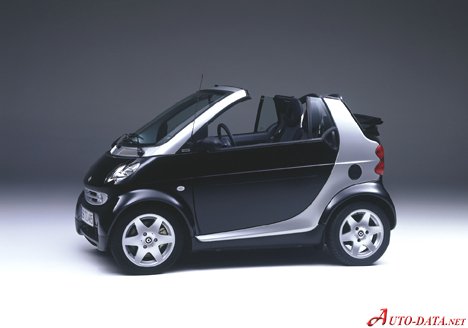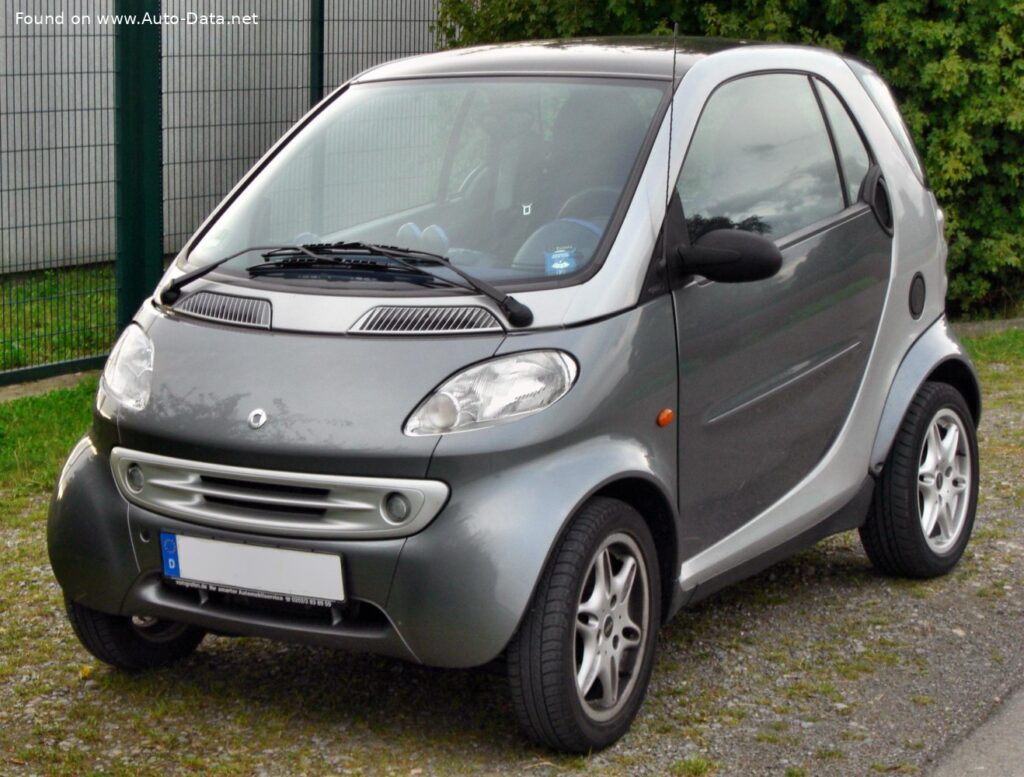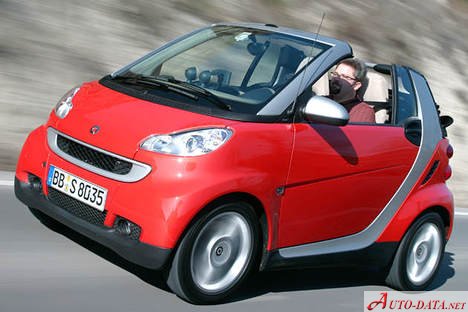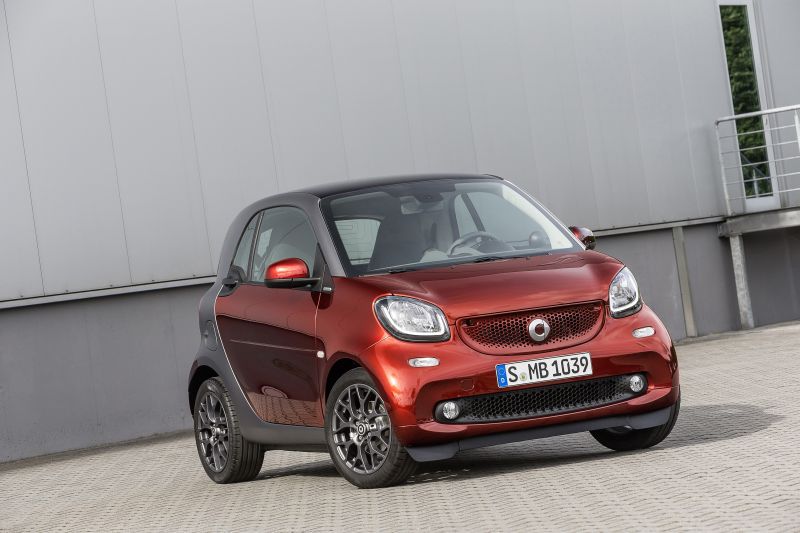
The Smart Fortwo III coupe (C453), specifically the 1.0-liter 71 horsepower automatic variant, represents a significant iteration in the Smart city car lineage. Produced from 2014 to 2019, this model formed the entry point into the C453 generation, which marked a period of increased refinement and collaboration with Renault. The C453 platform, co-developed with Renault, brought improvements in build quality, safety features, and overall driving experience compared to its predecessors. This particular 1.0L automatic configuration was designed to appeal to drivers prioritizing ease of use and fuel efficiency within the unique constraints of urban driving.
Powertrain & Engine Architecture
At the heart of the Smart Fortwo III 1.0 Automatic lies the M 281.920 engine, a 999cc inline-three cylinder petrol engine. This engine, while small in displacement, was engineered to maximize efficiency and deliver adequate power for city driving. It features multi-port manifold fuel injection, a naturally aspirated design, and a compression ratio of 10.5:1. The engine produces 71 horsepower at 6000 rpm and 91 Nm (67.12 lb-ft) of torque at 2850 rpm. The engine’s compact size and rear-mounted, transverse layout contribute to the Fortwo’s unique handling characteristics.
The engine is paired with a six-speed automatic transmission. This transmission was a key component in making the Fortwo accessible to a wider range of drivers, particularly those unfamiliar or uncomfortable with manual gearboxes. The automatic transmission is tuned for smooth shifts and prioritizes fuel economy over outright performance. It utilizes a conventional torque converter design, offering a comfortable driving experience in stop-and-go traffic.
Engine Specifications
The M 281.920 engine utilizes a relatively simple valvetrain configuration, optimized for reliability and cost-effectiveness. Engine oil capacity is 3.5 liters (3.7 US quarts / 3.08 UK quarts), and the recommended oil specification is crucial for maintaining engine health. The cooling system requires 6.9 liters (7.29 US quarts / 6.07 UK quarts) of coolant.
Driving Characteristics
The 1.0-liter 71 hp automatic Smart Fortwo delivers a driving experience best described as adequate for urban environments. Acceleration is not a strong point; 0-100 km/h (0-62 mph) takes 15.1 seconds, and 0-60 mph is achieved in approximately 14.3 seconds. The top speed is limited to 151 km/h (93.83 mph), though realistically, the car is rarely driven at such speeds. The automatic transmission contributes to a relaxed driving style, with smooth gear changes and predictable power delivery. Compared to the more powerful (and often manual transmission-equipped) variants, this version prioritizes fuel efficiency and ease of use over sporty performance.
The rear-wheel-drive layout, combined with the car’s short wheelbase, provides surprisingly nimble handling in tight spaces. However, the limited power and torque mean that overtaking maneuvers require careful planning. The automatic transmission’s gear ratios are optimized for low-speed drivability and fuel economy, rather than rapid acceleration. The car feels most comfortable navigating city streets and parking in confined areas.
Equipment & Trim Levels
The 1.0-liter automatic Smart Fortwo typically served as the base trim level. Standard equipment generally included power steering, ABS (Anti-lock Braking System), a basic audio system, and central locking. Interior upholstery was typically cloth, and the dashboard featured a functional, if somewhat minimalist, design. Air conditioning was often an optional extra, as were features like alloy wheels and a more advanced infotainment system.
Optional extras could significantly enhance the driving experience and comfort. Packages often included upgraded audio systems, leather upholstery, heated seats, and parking sensors. The availability of these options varied depending on the market and the specific year of production. The relatively basic standard equipment list reflected the car’s positioning as an affordable and practical city car.
Chassis & Braking
The Smart Fortwo III utilizes an independent suspension system on both the front and rear axles. The front suspension employs a McPherson strut design with coil springs and an anti-roll bar, while the rear suspension features independent coil springs. This setup provides a reasonable level of ride comfort, considering the car’s small size and short wheelbase. The front brakes are ventilated discs, providing adequate stopping power, while the rear brakes are drums, a cost-saving measure common in this segment.
The car’s kerb weight of 860 kg (1895.98 lbs) contributes to its relatively nimble handling. The electric power steering provides light and easy steering, making it ideal for maneuvering in tight spaces. Tire sizes typically ranged from 165/65 R15 to 185/60 R15, depending on the trim level and optional equipment.
Market Reception & Comparison
The Smart Fortwo III 1.0 Automatic received mixed reviews. Critics generally praised its fuel efficiency (4.1 l/100 km combined, 57.4 US mpg, 68.9 UK mpg) and ease of parking, but criticized its lack of power and relatively slow acceleration. Compared to other trims in the Fortwo lineup, such as those equipped with more powerful engines or manual transmissions, this version was seen as the most practical and accessible, but also the least engaging to drive.
In terms of reliability, the M 281.920 engine proved to be generally reliable, although some owners reported issues with the automatic transmission. Fuel economy was a significant advantage over larger vehicles, and the car’s compact size made it ideal for navigating congested city streets. However, its limited practicality and lack of space meant it was not suitable for long journeys or carrying large loads.
Technical Specifications
| Body type | Coupe, 2 Doors, 2 Seats |
| Fuel economy (combined) | 4.1 l/100 km (57.4 US mpg, 68.9 UK mpg, 24.4 km/l) |
| CO2 emissions | 94 g/km |
| Emission standard | Euro 6 |
| Maximum speed | 151 km/h (93.83 mph) |
| Acceleration 0-100 km/h | 15.1 sec |
| Acceleration 0-60 mph | 14.3 sec |
| Power | 71 Hp @ 6000 rpm |
| Torque | 91 Nm @ 2850 rpm (67.12 lb.-ft. @ 2850 rpm) |
| Engine layout | Rear, Transverse |
| Engine displacement | 999 cm3 (60.96 cu. in.) |
| Number of cylinders | 3, Inline |
| Cylinder Bore | 72.2 mm (2.84 in.) |
| Piston Stroke | 81.3 mm (3.2 in.) |
| Compression ratio | 10.5:1 |
| Fuel injection system | Multi-port manifold injection |
| Engine oil capacity | 3.5 l (3.7 US qt | 3.08 UK qt) |
| Coolant capacity | 6.9 l (7.29 US qt | 6.07 UK qt) |
| Kerb Weight | 860 kg (1895.98 lbs.) |
| Max. weight | 1180 kg (2601.45 lbs.) |
| Trunk (boot) space (minimum) | 260 l (9.18 cu. ft.) |
| Trunk (boot) space (maximum) | 350 l (12.36 cu. ft.) |
| Fuel tank capacity | 28 l (7.4 US gal | 6.16 UK gal) |
| Length | 2695 mm (106.1 in.) |
| Width | 1663 mm (65.47 in.) |
| Height | 1555 mm (61.22 in.) |
| Wheelbase | 1873 mm (73.74 in.) |
| Gearbox | 6 gears, automatic transmission |
Legacy
The Smart Fortwo III 1.0 Automatic, while not a performance icon, remains a popular choice in the used car market, particularly for urban dwellers seeking an affordable and fuel-efficient vehicle. The M 281.920 engine has proven to be relatively durable, and parts availability is generally good. However, potential buyers should be aware of potential issues with the automatic transmission and ensure that it has been properly maintained. The car’s enduring appeal lies in its unique combination of compact size, ease of parking, and low running costs, making it a practical and convenient option for navigating the challenges of modern city life.