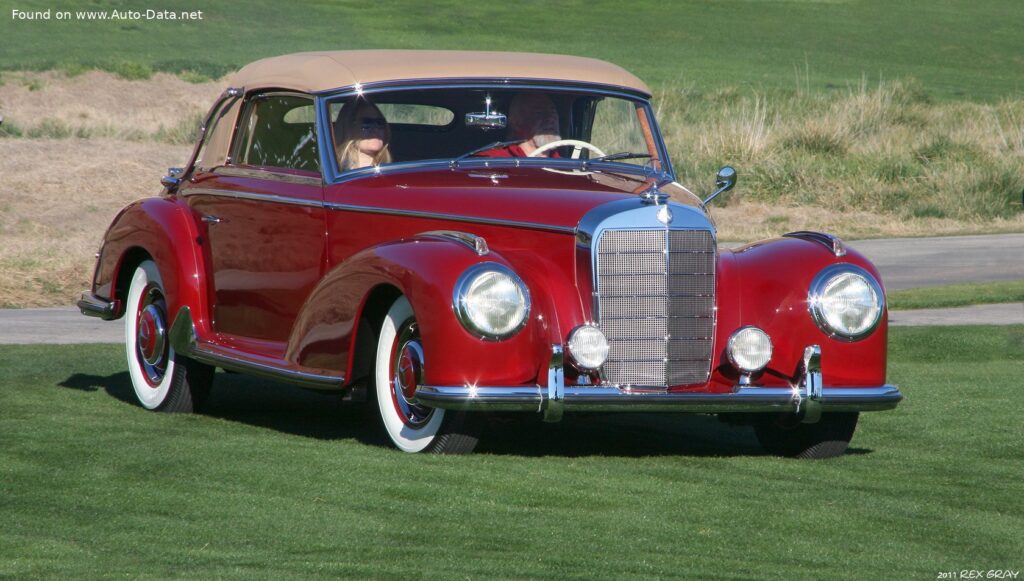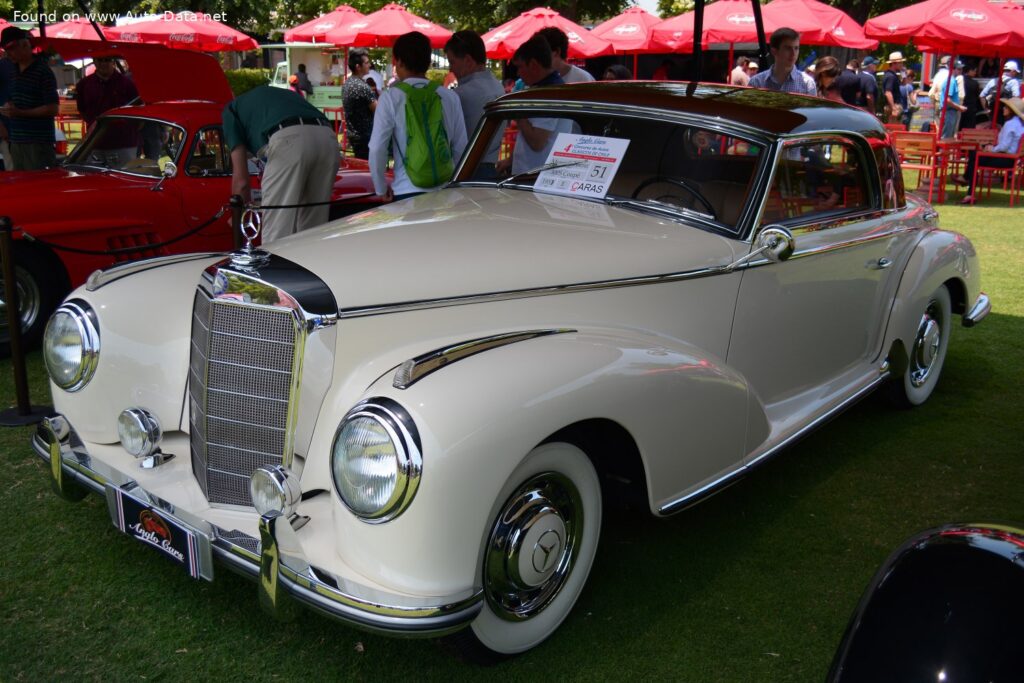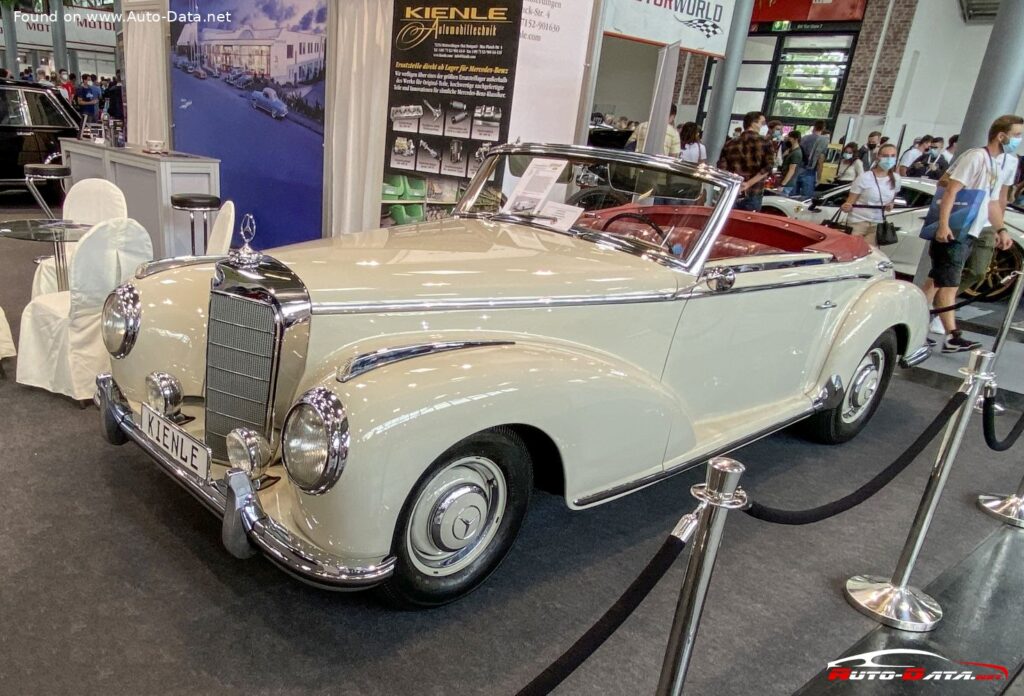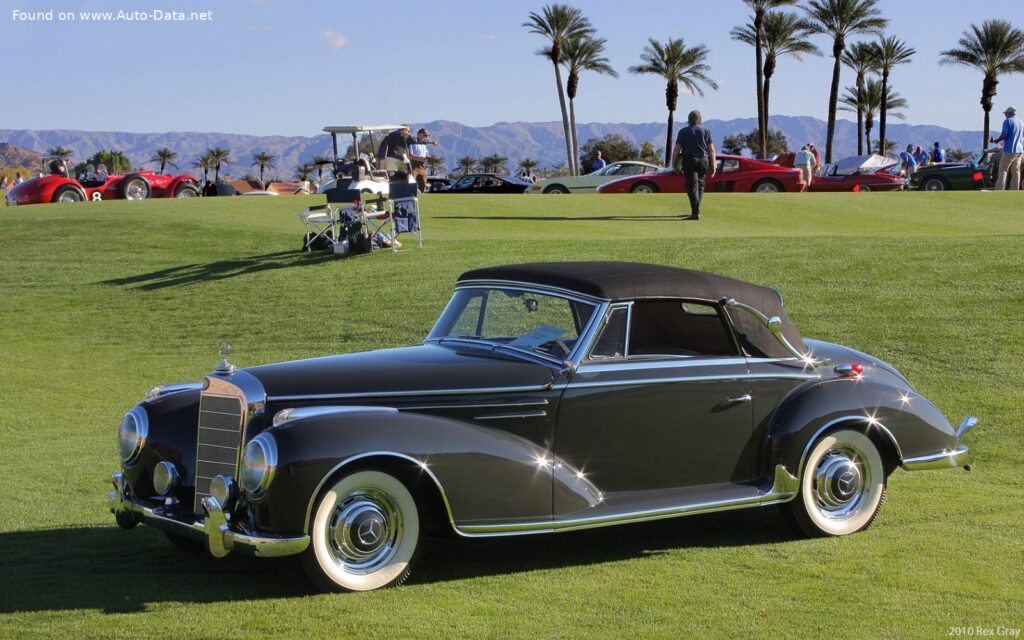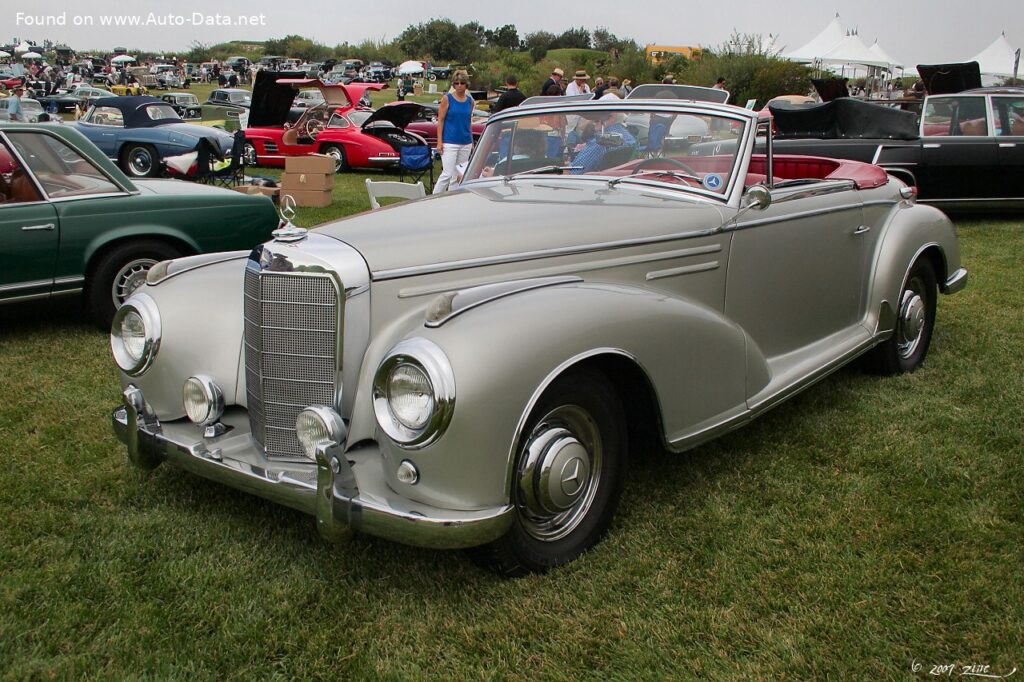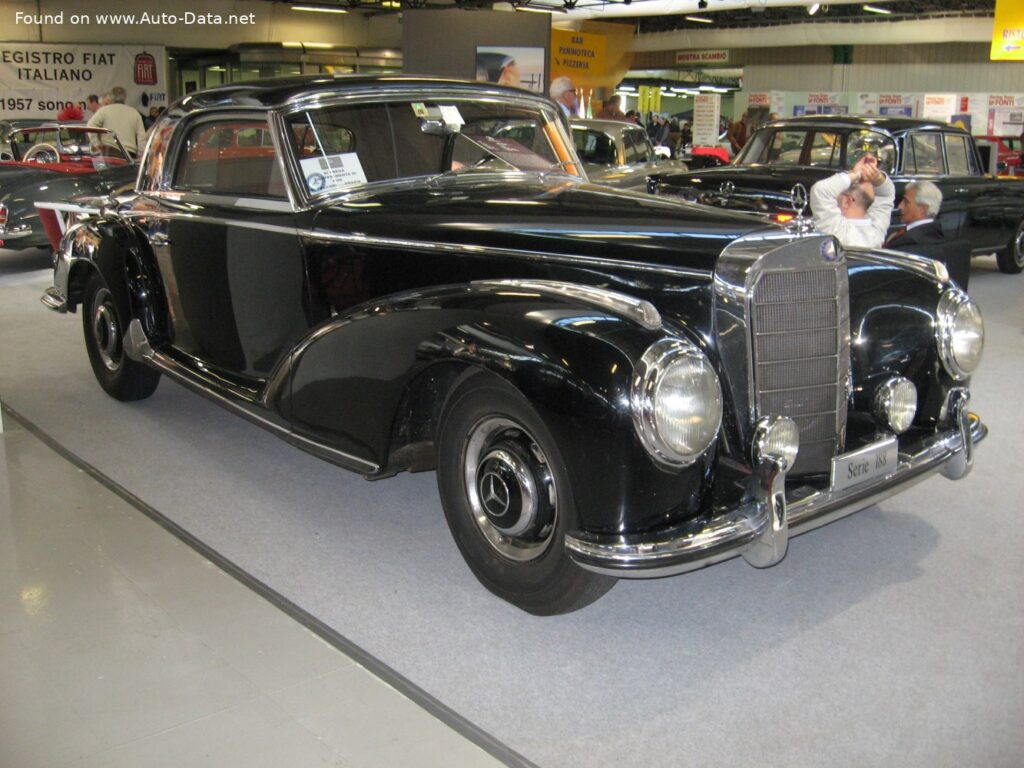
The Mercedes-Benz W188 II Coupe 300 Sc, produced between September 1955 and April 1958, represents a significant evolution of the post-war Mercedes-Benz luxury coupe. Positioned as the flagship coupe within the W188 series, it offered a blend of sophisticated styling, robust engineering, and a powerful engine for its time. The 300 Sc was built upon the W188 platform, a chassis designed for larger, more luxurious vehicles, and served as a halo model showcasing Mercedes-Benz’s commitment to quality and performance. It was a direct successor to the earlier 300 Coupe (W188 I) and paved the way for future grand touring coupes from the manufacturer.
Powertrain & Engine Architecture
The heart of the 300 Sc is the M199 inline-six cylinder engine, a 2,996 cc (182.83 cubic inches) masterpiece of engineering for the mid-1950s. This engine, designated M199.980 in the 300 Sc application, featured direct fuel injection – a relatively advanced technology for the era – which significantly improved power output and fuel efficiency compared to carbureted engines. The engine produced 175 horsepower at 5,400 rpm and 255 Nm (188.08 lb-ft) of torque at 4,300 rpm. The cylinder bore measured 85 mm (3.35 inches) and the piston stroke 88 mm (3.46 inches), resulting in a compression ratio of 8.55:1. The valvetrain employed a single overhead camshaft (SOHC) design with two valves per cylinder.
Power was delivered to the rear wheels through a four-speed manual transmission. The transmission was a fully synchronized unit, offering smooth and precise gear changes. The engine was mounted longitudinally in the chassis, contributing to a balanced weight distribution. The drivetrain configuration was a traditional rear-wheel drive setup, common for performance-oriented vehicles of the period.
Fuel Injection System
The direct fuel injection system was a key differentiator for the 300 Sc. Unlike conventional carburetion, direct injection sprayed fuel directly into the intake manifold near the intake valves. This allowed for more precise fuel metering, improved combustion efficiency, and increased power output. The system utilized a high-pressure mechanical fuel pump and individual fuel lines for each cylinder.
Driving Characteristics
The 300 Sc offered a refined and powerful driving experience for its time. While not a sports car in the modern sense, its 175 hp engine provided ample power for comfortable high-speed cruising and confident overtaking. Acceleration from 0 to 100 km/h (0-62 mph) took approximately 14 seconds, and 0 to 60 mph was achieved in around 13.3 seconds. The top speed was rated at 180 km/h (111.85 mph). The weight-to-power ratio of 10.2 kg/hp and weight-to-torque ratio of 7 kg/Nm contributed to a responsive feel, although the car’s substantial weight (1,780 kg or 3,924.23 lbs) was noticeable. The manual transmission required a skilled driver to extract the most performance from the engine, but offered a more engaging driving experience than an automatic would have.
The car’s longitudinal engine placement and relatively balanced weight distribution contributed to stable handling. However, the suspension technology of the era – double wishbones with a transverse stabilizer at the front and a trailing arm setup at the rear – was not as sophisticated as modern systems, resulting in a ride that, while comfortable, was not as precise or controlled as later Mercedes-Benz models.
Equipment & Trim Levels
The 300 Sc was a luxury vehicle, and as such, came standard with a high level of equipment. The interior was typically trimmed in high-quality leather, with wood veneer accents on the dashboard and door panels. Standard features included comfortable seating for five passengers, a comprehensive instrument panel, and a sophisticated heating and ventilation system. The car’s spacious cabin provided a comfortable and refined environment for both driver and passengers.
Optional extras included a Becker Mexico radio, whitewall tires, and various customization options for the interior trim and paint color. The 300 Sc was often purchased by discerning customers who appreciated the finer things in life and were willing to pay a premium for a truly luxurious automobile.
Chassis & Braking
The W188 chassis was a robust and well-engineered platform. It featured a ladder-frame construction, providing a solid foundation for the car’s substantial weight. The front suspension utilized a double wishbone design with a transverse stabilizer bar to improve handling and reduce body roll. The rear suspension employed a trailing arm setup, which offered a comfortable ride but was less sophisticated than the front suspension.
Braking was accomplished via drum brakes on all four wheels. While effective for the time, the drum brakes lacked the stopping power and fade resistance of modern disc brakes. The steering system was a cone worm with recirculation balls, providing precise and responsive steering feel.
Market Reception & Comparison
The 300 Sc was well-received by critics and buyers alike. It was praised for its powerful engine, luxurious interior, and sophisticated styling. However, its high price tag limited its appeal to a relatively small segment of the market. Compared to other Mercedes-Benz models of the era, such as the 300SL “Gullwing,” the 300 Sc was more practical and comfortable, but lacked the outright performance and iconic status of the SL. Its fuel consumption of 12.5 l/100 km (18.8 US mpg) was typical for a large, high-performance car of the 1950s. Reliability was generally good, although the direct fuel injection system required regular maintenance to ensure optimal performance.
Technical Specifications
| Brand | Mercedes-Benz |
| Model | W188 II Coupe |
| Type (Engine) | 300 Sc (175 Hp) |
| Start of production | September, 1955 |
| End of production | April, 1958 |
| Powertrain Architecture | Internal Combustion engine |
| Body type | Coupe |
| Seats | 5 |
| Doors | 2 |
| Fuel consumption (combined) | 12.5 l/100 km |
| Fuel consumption (US mpg) | 18.8 US mpg |
| Fuel consumption (UK mpg) | 22.6 UK mpg |
| Fuel Type | Petrol (Gasoline) |
| Acceleration 0 – 100 km/h | 14 sec |
| Acceleration 0 – 62 mph | 14 sec |
| Acceleration 0 – 60 mph | 13.3 sec |
| Maximum speed | 180 km/h (111.85 mph) |
| Weight-to-power ratio | 10.2 kg/Hp |
| Weight-to-torque ratio | 7 kg/Nm |
| Power | 175 Hp @ 5400 rpm |
| Torque | 255 Nm @ 4300 rpm (188.08 lb.-ft. @ 4300 rpm) |
| Engine layout | Front, Longitudinal |
| Engine Model/Code | M 199 / 199.980 |
| Engine displacement | 2996 cm3 (182.83 cu. in.) |
| Number of cylinders | 6 |
| Engine configuration | Inline |
| Cylinder Bore | 85 mm (3.35 in.) |
| Piston Stroke | 88 mm (3.46 in.) |
| Compression ratio | 8.55:1 |
| Number of valves per cylinder | 2 |
| Fuel injection system | Direct injection |
| Engine aspiration | Naturally aspirated engine |
| Valvetrain | SOHC |
| Kerb Weight | 1780 kg (3924.23 lbs.) |
| Max. weight | 2040 kg (4497.43 lbs.) |
| Max load | 260 kg (573.2 lbs.) |
| Fuel tank capacity | 85 l (22.45 US gal | 18.7 UK gal) |
| Length | 4700 mm (185.04 in.) |
| Width | 1916 mm (75.43 in.) |
| Height | 1510 mm (59.45 in.) |
| Wheelbase | 2900 mm (114.17 in.) |
| Front track | 1480 mm (58.27 in.) |
| Rear track | 1525 mm (60.04 in.) |
| Drivetrain Architecture | Rear wheel drive |
| Number of gears and type of gearbox | 4 gears, manual transmission |
| Front suspension | Double wishbone, Transverse stabilizer |
| Rear suspension | Trailing arm |
| Front brakes | Drum |
| Rear brakes | Drum |
| Steering type | Cone worm with recirculation balls |
Legacy
The Mercedes-Benz W188 II Coupe 300 Sc remains a highly sought-after classic car today. Its combination of elegant styling, powerful engine, and luxurious interior has made it a favorite among collectors and enthusiasts. The M199 engine, while requiring careful maintenance, is known for its durability and smooth operation. The direct fuel injection system, while complex, was a pioneering technology that set the stage for future advancements in engine design. Well-maintained examples of the 300 Sc command high prices in the used car market, reflecting their rarity and historical significance. The car represents a golden age of Mercedes-Benz engineering and design, and continues to be admired for its timeless appeal.