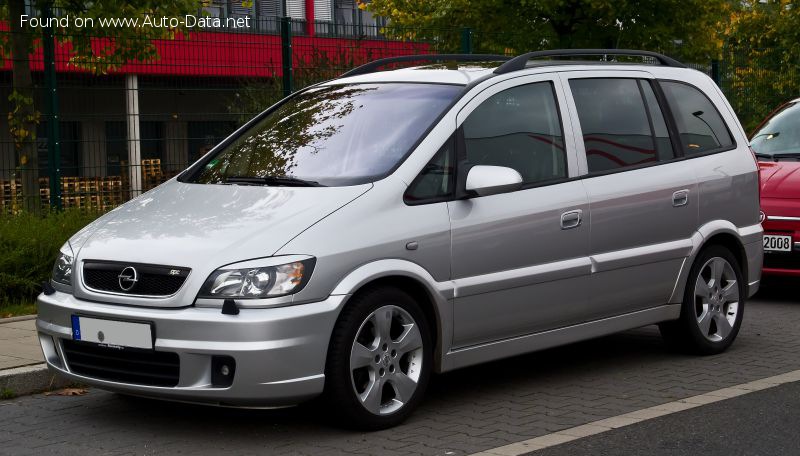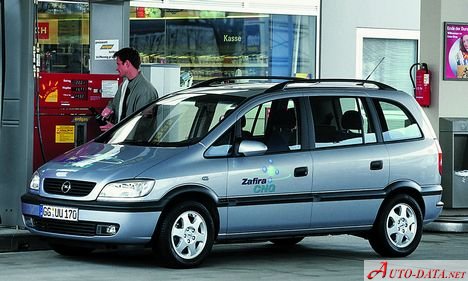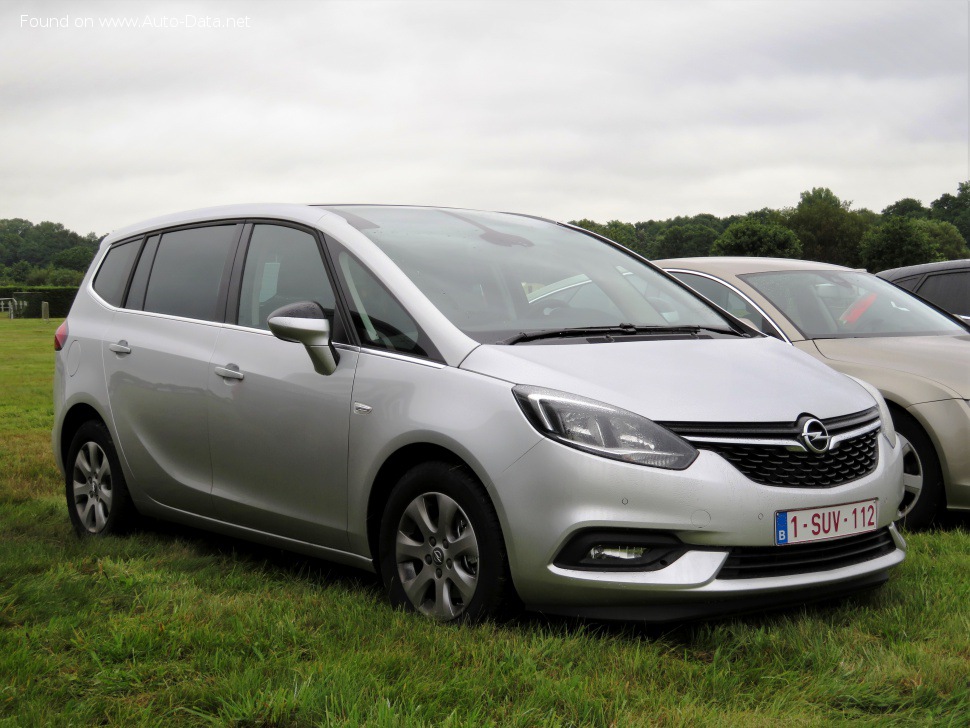
The Opel Zafira Tourer C, specifically the 1.6 ecoFLEX (150 Hp) CNG variant produced from June 2016 to June 2017, represented a significant offering in the European MPV (Multi-Purpose Vehicle) segment. This model was part of the facelifted third generation of the Zafira, known internally as the C generation, and built upon the GM Delta platform (also used by other vehicles like the Chevrolet Astra). The ecoFLEX designation indicated Opel’s focus on fuel efficiency, and the CNG (Compressed Natural Gas) capability broadened its appeal to environmentally conscious buyers and those seeking lower running costs. This trim level occupied a mid-range position within the Zafira Tourer C lineup, offering a balance between performance, economy, and practicality.
Powertrain & Engine Architecture
The heart of the Zafira Tourer C 1.6 ecoFLEX CNG is the B16XNT engine, a 1.6-liter inline four-cylinder gasoline engine. This engine is naturally aspirated and features multi-port fuel injection. It produces a maximum power output of 150 horsepower (112 kW) at 5000 rpm and 210 Nm (154.89 lb-ft) of torque between 2300 and 5000 rpm. The engine boasts a compression ratio of 10.5:1, and a cylinder bore of 79mm with a piston stroke of 81.5mm. The engine’s design prioritizes efficiency, utilizing technologies like variable valve timing to optimize combustion.
Crucially, this variant is bi-fuel, meaning it can run on either gasoline or Compressed Natural Gas (CNG). When operating on CNG, the engine management system automatically switches fuel sources. The CNG system includes a 25 kg capacity cylinder, typically located under the floor of the vehicle, reducing available cargo space. The engine is transversely mounted at the front of the vehicle, driving the front wheels.
While Opel offered both manual and automatic transmissions with the Zafira Tourer C, the 1.6 ecoFLEX CNG was exclusively paired with a 6-speed manual transmission. This choice was likely made to maximize fuel efficiency and reduce emissions, as automatic transmissions generally incur a slight fuel economy penalty. The transmission’s gear ratios are tuned for a balance of acceleration and cruising efficiency.
Fuel System Details
The fuel injection system is a multi-port manifold injection system, delivering fuel directly to each cylinder’s intake port. This system is controlled by an electronic engine control unit (ECU) that monitors various sensors to optimize fuel delivery based on driving conditions. The CNG system incorporates a pressure regulator to reduce the high-pressure CNG from the tank to a usable pressure for the engine. A dedicated ECU manages the CNG fuel delivery and switching between gasoline and CNG operation.
Driving Characteristics
The Zafira Tourer C 1.6 ecoFLEX CNG offers a comfortable and practical driving experience, though it isn’t designed for outright performance. The 150 hp engine provides adequate power for everyday driving, with a 0-100 km/h (0-62 mph) acceleration time of 11.5 seconds. The torque curve is relatively flat, providing usable power across a wide range of engine speeds. However, when fully loaded with passengers and luggage, the performance can feel somewhat strained, particularly on inclines.
The 6-speed manual transmission allows drivers to maintain optimal engine speed for efficiency or performance. The gear ratios are well-spaced, providing smooth and predictable shifts. When running on CNG, the engine typically exhibits slightly reduced power output compared to gasoline operation, but the lower fuel costs often offset this difference. The suspension is tuned for comfort, absorbing bumps and imperfections in the road surface effectively. Steering is light and precise, making the Zafira easy to maneuver in urban environments.
Equipment & Trim Levels
The Zafira Tourer C 1.6 ecoFLEX CNG typically came equipped with a reasonable level of standard features. These included air conditioning, power windows, power mirrors, a CD/MP3 audio system, and basic safety features like ABS (Anti-lock Braking System) and airbags. Higher trim levels offered additional features such as alloy wheels, a touchscreen infotainment system with navigation, parking sensors, and automatic climate control. Interior upholstery was typically cloth, with options for leather upgrades. The dashboard layout was functional and user-friendly, with clearly labeled controls. Optional extras included a panoramic sunroof, heated seats, and advanced driver-assistance systems.
Chassis & Braking
The Zafira Tourer C utilizes a front-wheel-drive layout with a MacPherson strut suspension at the front and a semi-independent torsion beam suspension at the rear. This suspension setup provides a good balance of ride comfort and handling. The front brakes are ventilated discs, providing ample stopping power, while the rear brakes are solid discs. The steering system is an electric power steering rack and pinion, offering light and precise steering feel. The vehicle’s kerb weight of 1641 kg (3617.79 lbs) influences its handling characteristics, making it feel somewhat heavier than smaller vehicles.
Market Reception & Comparison
The Zafira Tourer C 1.6 ecoFLEX CNG was generally well-received by critics as a practical and economical MPV. Its bi-fuel capability was a major selling point, appealing to buyers seeking to reduce their fuel costs and environmental impact. Compared to the higher-output gasoline and diesel variants of the Zafira Tourer C, the 1.6 ecoFLEX CNG offered lower performance but significantly better fuel economy. The diesel variants, such as the 1.6 CDTI, provided more torque and better fuel efficiency on long journeys, but were often more expensive to purchase and maintain. The gasoline variants offered a smoother and quieter driving experience, but were less fuel-efficient than both the CNG and diesel options. The CNG variant’s reliability was generally considered good, with the engine and transmission proving to be durable.
Technical Specifications
| Engine Model/Code | B16XNT |
| Engine Displacement | 1598 cm3 (97.52 cu. in.) |
| Number of Cylinders | 4, Inline |
| Power | 150 Hp @ 5000 rpm |
| Torque | 210 Nm @ 2300-5000 rpm (154.89 lb.-ft.) |
| Fuel Type | Petrol / CNG |
| Compression Ratio | 10.5:1 |
| Fuel Consumption (Combined) | 7.6-7.2 l/100 km (30.9 – 32.7 US mpg, 37.2 – 39.2 UK mpg, 13.2 – 13.9 km/l) |
| Fuel Consumption (Combined CNG) | 5.0-4.7 kg/100 km |
| CO2 Emissions | 136-129 g/km |
| CO2 Emissions (CNG) | 136-129 g/km |
| Acceleration 0-100 km/h | 11.5 sec |
| Maximum Speed | 200 km/h (124.27 mph) |
| Kerb Weight | 1641 kg (3617.79 lbs.) |
| Max. Load | 714 kg (1574.1 lbs.) |
| Trunk Space (Minimum) | 710 l (25.07 cu. ft.) |
| Trunk Space (Maximum) | 1860 l (65.69 cu. ft.) |
| Transmission | 6-speed manual |
Legacy
The Opel Zafira Tourer C 1.6 ecoFLEX CNG represents a noteworthy attempt to offer a more sustainable and economical MPV option. While CNG infrastructure remains limited in some regions, the bi-fuel capability provided owners with flexibility and potential cost savings. The B16XNT engine, when properly maintained, has proven to be a reliable unit. On the used car market, these Zafiras are generally available at reasonable prices, making them an attractive option for budget-conscious buyers seeking a spacious and practical vehicle. However, potential buyers should be aware of the potential maintenance requirements associated with the CNG system and ensure that it is regularly inspected and serviced. The Zafira Tourer C, in all its variants, helped solidify Opel’s reputation for building versatile and family-friendly vehicles.