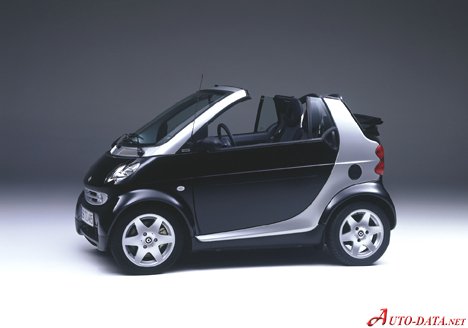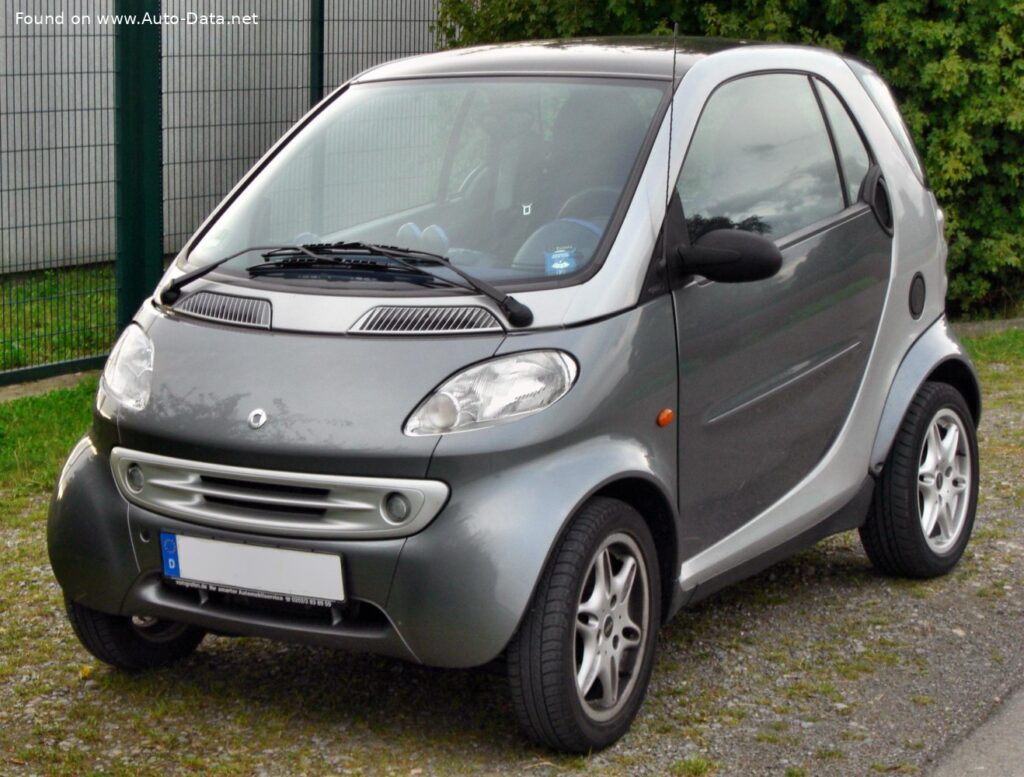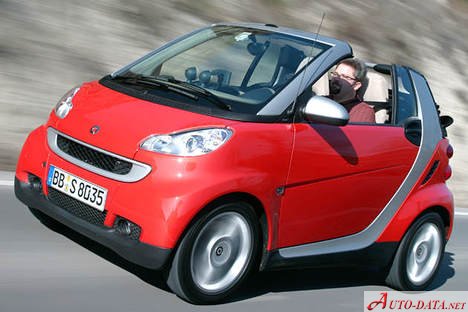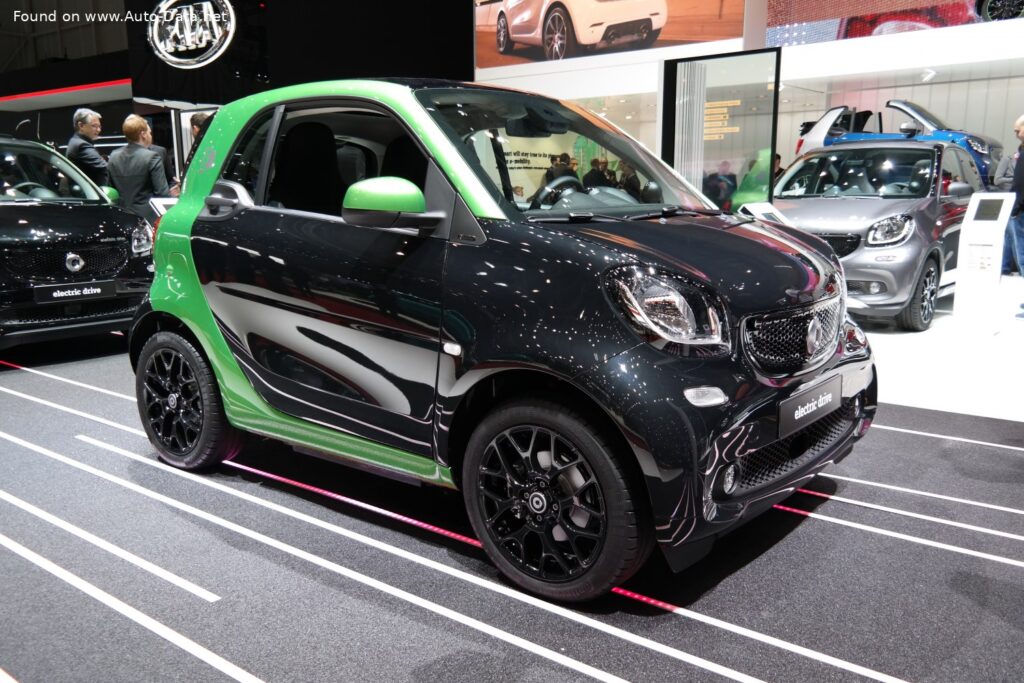
The Smart Fortwo III coupe (C453) 17.6 kWh electric drive, produced from 2017 to 2018, represents Smart’s second generation fully electric city car. This variant was a key component of the C453 Fortwo lineup, designed to offer an environmentally friendly and highly maneuverable urban transportation solution. Positioned as the entry-level electric offering within the Fortwo range, it aimed to attract buyers seeking a short-range, zero-emission vehicle for city commuting. The C453 generation marked a significant departure from the previous generation, featuring a completely redesigned body and a more conventional (though still compact) interior.
Powertrain & Engine Architecture
The 17.6 kWh Fortwo is a Battery Electric Vehicle (BEV), meaning it relies entirely on electricity for propulsion. At the heart of the system is a rear-mounted electric motor producing 82 horsepower (Hp) and 160 Newton-meters (118.01 lb.-ft.) of torque. This motor is transversely mounted on the rear axle, driving the rear wheels. The powertrain utilizes a single-speed automatic transmission, typical of electric vehicles, providing seamless acceleration without gear changes. The battery pack, utilizing Lithium-ion (Li-Ion) technology, is located under the floor of the vehicle, contributing to a low center of gravity and maximizing interior space. The gross battery capacity is 17.6 kWh, with a net (usable) capacity of 16.7 kWh. The vehicle employs a standard charging port for AC charging, and compatibility with DC fast charging was available depending on the market and optional equipment.
Electric Motor Details
The electric motor itself is a synchronous motor, chosen for its efficiency and power density. The motor’s control system manages power delivery based on driver input, optimizing for both performance and range. The absence of a traditional internal combustion engine simplifies the powertrain, reducing maintenance requirements and eliminating tailpipe emissions. The single-speed transmission is a fixed-gear reduction unit, designed to provide optimal torque multiplication for city driving conditions. The motor’s location at the rear axle contributes to the Fortwo’s unique driving characteristics, providing a responsive and agile feel.
Driving Characteristics
The 17.6 kWh Fortwo delivers brisk acceleration for urban environments. While not designed for high-speed highway travel, it can achieve a top speed of 130 km/h (80.78 mph), electronically limited. Acceleration from 0 to 100 km/h (0-62 mph) takes approximately 11.5 seconds, and 0 to 60 mph is achieved in around 10.9 seconds. The instant torque characteristic of electric motors provides immediate responsiveness, making it easy to navigate congested city streets. The rear-wheel-drive configuration contributes to a playful handling balance, although it requires some adjustment for drivers accustomed to front-wheel-drive vehicles. The single-speed transmission ensures smooth and linear acceleration, without the interruptions of gear changes. The regenerative braking system helps to recapture energy during deceleration, extending the vehicle’s range and reducing brake wear.
Equipment & Trim Levels
The 17.6 kWh Fortwo was typically offered with a relatively basic level of standard equipment, reflecting its position as the entry-level electric model. Standard features generally included air conditioning, power windows, central locking, and an audio system. Interior upholstery was typically cloth, with a functional and durable design. The dashboard layout was simple and straightforward, prioritizing ease of use. Optional extras included features such as a touchscreen infotainment system with navigation, heated seats, and parking sensors. The Fortwo’s compact size limited the availability of certain luxury features, but the focus remained on providing a practical and efficient urban transportation solution. Trim levels were often market-specific, with variations in standard equipment and available options.
Chassis & Braking
The Fortwo C453 utilizes an independent McPherson strut suspension at the front, with a transverse stabilizer bar to reduce body roll. The rear suspension employs a De-Dion axle, a design chosen for its compact size and ability to provide a comfortable ride despite the limited suspension travel. Front brakes are ventilated discs measuring 258×22 mm, while rear brakes are drum brakes measuring 203 mm. The braking system is equipped with ABS (Anti-lock Braking System) for enhanced safety. The steering system is a rack and pinion type with electric power steering, providing light and precise steering feel. Tire sizes are typically 165/65 R15 for the front wheels and 185/60 R15 for the rear wheels, mounted on 5J x 15 and 5.5J x 15 alloy wheels, respectively.
Market Reception & Comparison
The Smart Fortwo Electric Drive (C453) was generally well-received by critics as a viable option for urban commuters seeking a zero-emission vehicle. Its compact size and maneuverability were praised, making it ideal for navigating crowded city streets and parking in tight spaces. However, its limited range (approximately 160 km / 99.42 mi NEDC) was a common criticism, restricting its usability for longer journeys. Compared to other trims in the Fortwo lineup (such as the gasoline-powered variants), the electric model offered significantly lower running costs due to the elimination of fuel expenses. However, the initial purchase price was typically higher. Fuel economy is rated at 12.9 kWh/100 km (20.76 kWh/100 mi), equating to 162 MPGe and 7.8 km/kWh (4.8 mi/kWh). Compared to other early electric vehicles, the Fortwo offered a competitive range and price point, making it an attractive option for environmentally conscious buyers.
Technical Specifications
| Brand | Smart |
| Model | Fortwo |
| Generation | Fortwo III coupe (C453) |
| Type (Engine) | 17.6 kWh (82 Hp) electric drive |
| Start of production | 2017 |
| End of production | 2018 |
| Powertrain Architecture | BEV (Electric Vehicle) |
| Body type | Coupe |
| Seats | 2 |
| Doors | 3 |
| Fuel Type | Electricity |
| Acceleration 0 – 100 km/h | 11.5 sec |
| Acceleration 0 – 62 mph | 11.5 sec |
| Acceleration 0 – 60 mph | 10.9 sec |
| Maximum speed | 130 km/h (80.78 mph) |
| Gross battery capacity | 17.6 kWh |
| Net (usable) battery capacity | 16.7 kWh |
| Battery technology | Lithium-ion (Li-Ion) |
| All-electric range (NEDC) | 160 km (99.42 mi) |
| Average Energy consumption (NEDC) | 12.9 kWh/100 km (20.76 kWh/100 mi) |
| Kerb Weight | 1010 kg (2226.67 lbs.) |
| Max. weight | 1310 kg (2888.06 lbs.) |
| Trunk (boot) space – minimum | 260 l (9.18 cu. ft.) |
| Trunk (boot) space – maximum | 350 l (12.36 cu. ft.) |
| Length | 2695 mm (106.1 in.) |
| Width | 1663 mm (65.47 in.) |
| Height | 1555 mm (61.22 in.) |
| Wheelbase | 1873 mm (73.74 in.) |
| Number of gears and type of gearbox | 1 gears, automatic transmission |
Legacy
The Smart Fortwo III coupe 17.6 kWh electric drive played a significant role in popularizing electric vehicles in urban environments. While its limited range prevented it from becoming a mainstream success, it demonstrated the viability of electric propulsion for short-distance commuting. The powertrain proved to be relatively reliable, with few major issues reported. On the used car market, these early Fortwo Electric Drives remain relatively affordable, offering a cost-effective entry point into electric vehicle ownership. However, potential buyers should be aware of the battery’s age and remaining capacity, as battery degradation can affect the vehicle’s range. The C453 generation, including this electric variant, helped pave the way for future generations of Smart electric vehicles and contributed to the growing acceptance of electric mobility.