
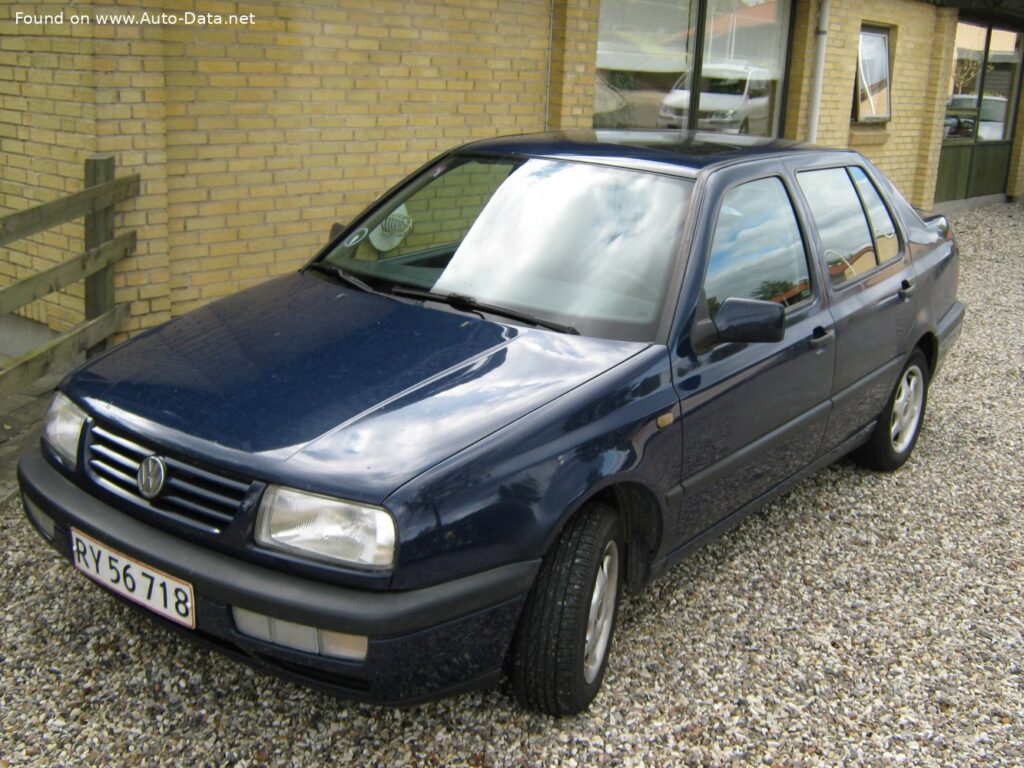
The Volkswagen Vento, produced from 1993 to 1997, was Volkswagen’s successor to the Jetta MkII, specifically for the Mexican market. Built on the A3 platform (internal code 1HX0), the Vento aimed to offer a more modern and refined sedan experience. While a range of engines and transmissions were available, the 1.8L 90 hp automatic variant occupied a crucial position as the entry-level offering, providing a balance of affordability and practicality for a broad customer base. This version was particularly popular with buyers prioritizing comfort and ease of use over outright performance.
The 1.8L 90 hp Automatic Vento: Positioning and Overview
The 1.8L 90 hp automatic Vento served as the base model within the Vento lineup. Above it sat more powerful options like the 1.9 TDI diesel and, in some markets, the more potent 2.0L gasoline engines. The automatic transmission was a key differentiator, targeting drivers who preferred the convenience of two-pedal operation, particularly in urban environments. This trim level was designed to be accessible, offering a comfortable and reliable sedan at a competitive price point. It was often chosen by families and individuals seeking a practical daily driver rather than an enthusiast vehicle.
Powertrain & Engine Architecture
The heart of this Vento variant was the Volkswagen 1.8L inline four-cylinder gasoline engine, typically identified by engine codes ABS or ADZ depending on the specific year and market. This engine featured a single overhead camshaft (OHC) valvetrain with two valves per cylinder. Fuel delivery was managed by Bosch Mono-Motronic fuel injection, a single-point injection system that was relatively simple and reliable for its time. While not as sophisticated as multi-point injection systems, Mono-Motronic provided adequate fuel atomization for the engine’s modest power output.
The engine’s 90 horsepower at 4000 rpm and 148.99 lb-ft of torque at 1900 rpm were delivered through a four-speed automatic transmission. This transmission, a common Volkswagen unit of the era, was known for its smooth operation but relatively conservative gear ratios. The longitudinal engine layout, typical of front-wheel-drive Volkswagens, contributed to a balanced weight distribution. The engine’s displacement of 1896 cm³ (115.7 cubic inches) and compression ratio of 9.5:1 were typical for naturally aspirated engines of the early 1990s.
Driving Characteristics
The 1.8L automatic Vento offered a comfortable, if not particularly exhilarating, driving experience. Acceleration from 0-60 mph took approximately 12.5 to 13.2 seconds, and the top speed was around 110.6 mph. The four-speed automatic transmission prioritized fuel economy and smooth shifts over rapid acceleration. The gear ratios were spaced to provide adequate performance in everyday driving situations, but the engine could feel strained when attempting quick overtaking maneuvers or climbing steep hills. Compared to the 1.9 TDI, the 1.8L offered less torque and a higher-revving engine character. The manual transmission versions of the 1.8L provided a more engaging driving experience, with quicker acceleration and better control, but at the expense of convenience.
The automatic transmission’s shift points were programmed for fuel efficiency, often holding gears longer to maximize mileage. This resulted in a relatively relaxed driving style, suitable for commuting and long-distance travel. The steering was light and precise, making the Vento easy to maneuver in urban environments. Overall, the driving experience was geared towards practicality and comfort rather than sporty performance.
Equipment & Trim Levels
The base 1.8L automatic Vento typically came equipped with a modest level of standard features. These generally included power steering, cloth upholstery, a basic stereo system, and manual windows and door locks. Air conditioning was often an optional extra, as were features like power windows, central locking, and upgraded audio systems. Interior trim was functional and durable, with a focus on practicality rather than luxury. The dashboard layout was typical of Volkswagen designs of the era, with clearly labeled controls and a straightforward instrument cluster.
Optional extras could significantly enhance the Vento’s comfort and convenience. Alloy wheels, a sunroof, and upgraded seat fabrics were popular choices. Higher trim levels, often denoted by additional badging, included features like leather upholstery, wood trim, and more advanced audio systems. However, the base 1.8L automatic model was intentionally kept relatively spartan to maintain its affordability.
Chassis & Braking
The Vento’s chassis featured independent front suspension with wishbones and a torsion beam rear suspension. This setup provided a comfortable ride quality and predictable handling characteristics. The front brakes were ventilated discs, offering good stopping power, while the rear brakes were typically solid discs. Anti-lock braking system (ABS) was often an optional extra, enhancing safety in emergency braking situations.
The Vento’s curb weight of approximately 2777.82 lbs contributed to its stable handling. The steering was rack and pinion, providing precise control and responsive feedback. Tire size was typically 185/60 R14, offering a good balance of grip and ride comfort. Stabilizer bars were fitted to both the front and rear suspension, reducing body roll during cornering.
Market Reception & Comparison
The 1.8L automatic Vento received generally positive reviews for its practicality, reliability, and affordability. Critics praised its comfortable ride and easy-to-use automatic transmission. However, some reviewers noted its lack of outright performance compared to the more powerful engine options. Fuel economy was considered respectable for its time, with combined fuel consumption around 42.8 US mpg.
Compared to the 1.9 TDI, the 1.8L automatic offered less fuel efficiency and lower torque, but it was generally less expensive to maintain due to the simpler fuel injection system and lack of a turbocharger. The TDI was favored by drivers prioritizing fuel economy and low-end grunt, while the 1.8L appealed to those seeking a more affordable and comfortable daily driver. The 2.0L gasoline engines offered more performance but came at a higher price point.
Technical Specifications
| Brand | Volkswagen |
| Model | Vento (1HX0) |
| Type (Engine) | 1.8L 90 hp |
| Start of production | 1993 |
| End of production | 1997 |
| Engine Code | ABS/ADZ |
| Engine Displacement | 1896 cm³ (115.7 cu. in.) |
| Number of Cylinders | 4, Inline |
| Power | 90 hp @ 4000 rpm |
| Torque | 202 Nm @ 1900 rpm (148.99 lb-ft @ 1900 rpm) |
| Fuel Injection | Bosch Mono-Motronic |
| Transmission | 4-speed Automatic |
| Drive Wheels | Front |
| Curb Weight | 1260 kg (2777.82 lbs) |
| Fuel Consumption (Combined) | 5.5 l/100 km (42.8 US mpg, 51.4 UK mpg) |
| 0-60 mph | 12.5 – 13.2 sec |
| Top Speed | 178 km/h (110.6 mph) |
Legacy
The 1.8L automatic Vento has proven to be a relatively reliable and durable vehicle. The engine, while not particularly powerful, is known for its longevity when properly maintained. The automatic transmission, though somewhat dated by modern standards, is generally robust. Today, these Ventos are increasingly sought after by classic car enthusiasts and collectors. Parts availability is generally good, although some specific components may be difficult to find. The 1.8L automatic Vento represents a practical and affordable entry point into the world of classic Volkswagen ownership, offering a comfortable and reliable driving experience for those seeking a nostalgic and well-built sedan.
