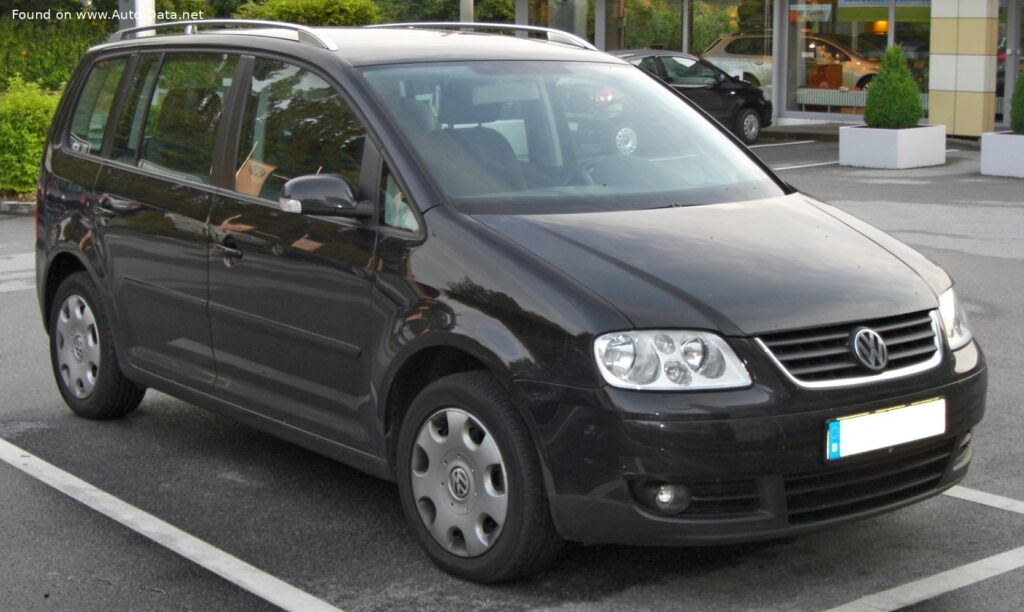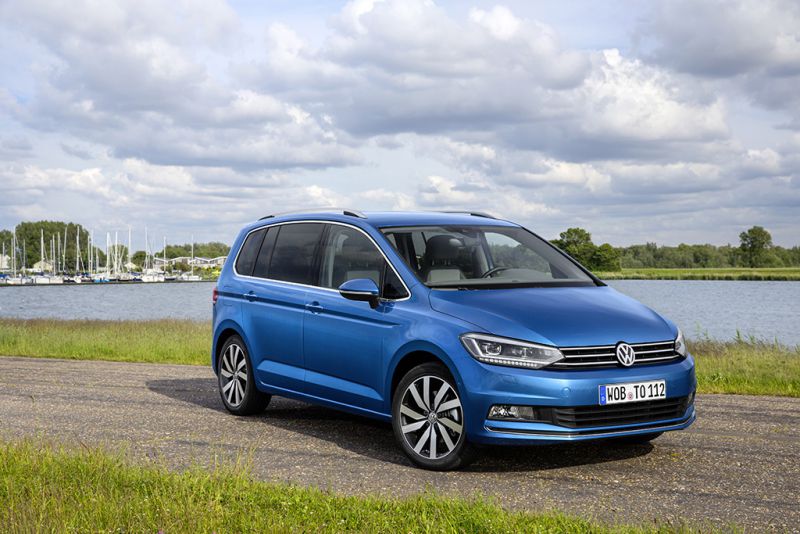
The Volkswagen Touran II 1.2 TSI (110 hp) was a front-wheel-drive, five or seven-seat minivan produced between 2015 and 2018 as part of the second-generation Touran (1HQ) model range. Positioned as an entry-level offering within the Touran II lineup, it provided a more affordable and fuel-efficient option compared to the more powerful 1.8 TSI and 2.0 TDI variants. This model aimed at families seeking a practical and economical vehicle for daily use, prioritizing space and versatility over outright performance.
Powertrain & Engine Architecture
The heart of the Touran II 1.2 TSI was the CJZD or CYVB engine code, a 1.2-liter turbocharged, direct-injection gasoline engine. This engine belonged to Volkswagen’s EA211 family, known for its compact design and efficiency. The 1.2 TSI featured a four-cylinder inline configuration with four valves per cylinder, utilizing a timing chain for durability. Direct fuel injection, delivered via a high-pressure common rail system, allowed for precise fuel metering and improved combustion efficiency. The turbocharger, coupled with an intercooler, boosted power output and provided a broader torque curve.
While a six-speed manual transmission was standard, a seven-speed dual-clutch gearbox (DSG) was offered as an optional upgrade. The DSG transmission provided quicker and smoother gear changes compared to the manual, enhancing the driving experience, but also added to the vehicle’s cost. The engine’s control unit (ECU) managed all aspects of engine operation, including fuel injection, ignition timing, and turbocharger boost pressure, optimizing performance and emissions.
Fuel Injection and Turbocharging
The 1.2 TSI engine employed a sophisticated direct injection system. Fuel was injected directly into the combustion chamber at pressures up to 150 bar, ensuring optimal atomization and mixing with air. This resulted in more complete combustion, leading to increased power and reduced emissions. The turbocharger, a single-scroll unit, provided boost pressure to increase the amount of air entering the engine. The intercooler cooled the compressed air, further enhancing combustion efficiency and preventing engine knock.
Driving Characteristics
The 110 hp output of the 1.2 TSI engine, combined with 175 Nm (129 lb-ft) of torque, provided adequate performance for everyday driving. Acceleration from 0 to 62 mph (0-100 km/h) took approximately 11.3 seconds, and the top speed was 117.44 mph (189 km/h). While not particularly sporty, the engine offered a usable amount of power for overtaking and merging onto highways. The turbocharger provided a noticeable boost in power at lower engine speeds, improving responsiveness.
Compared to the more powerful 1.8 TSI variant, the 1.2 TSI felt noticeably slower, especially when fully loaded with passengers and luggage. However, the 1.2 TSI offered better fuel economy and a more relaxed driving experience. The six-speed manual transmission had well-spaced gear ratios, allowing the driver to keep the engine in its optimal power band. The optional DSG transmission provided seamless gear changes, further enhancing drivability. The front-wheel-drive configuration offered predictable handling, but lacked the all-weather capability of the 4MOTION all-wheel-drive system available on some other Touran II models.
Equipment & Trim Levels
The Touran II 1.2 TSI typically came equipped with a reasonable level of standard features. These included air conditioning, power windows, power mirrors, a basic audio system with USB connectivity, and alloy wheels. Safety features such as ABS, electronic stability control (ESC), and multiple airbags were also standard. Higher trim levels, such as Trendline and Comfortline, added features like automatic climate control, a touchscreen infotainment system, parking sensors, and cruise control.
Interior upholstery was typically cloth, with optional leather upholstery available on higher trims. The dashboard layout was functional and straightforward, with easy-to-read gauges and controls. The Touran II’s modular seating system allowed for flexible configuration of the interior, with the option of folding or removing the rear seats to create more cargo space. Optional extras included a panoramic sunroof, navigation system, and a rear-view camera.
Chassis & Braking
The Touran II 1.2 TSI utilized an independent multi-link suspension at the front and an independent coil spring suspension at the rear. This suspension setup provided a comfortable ride quality and good handling characteristics. The front suspension featured stabilizer bars to reduce body roll during cornering. The braking system consisted of ventilated discs at the front and solid discs at the rear. ABS (Anti-lock Braking System) was standard, providing enhanced braking performance in emergency situations. The steering system was a power-assisted rack and pinion system, offering precise and responsive steering feel.
The Touran II’s chassis was designed to accommodate the vehicle’s weight and provide a stable platform for driving. The suspension was tuned to prioritize comfort over sporty handling, making it well-suited for long-distance journeys. The braking system was adequate for the vehicle’s weight and performance, providing sufficient stopping power in most driving conditions.
Market Reception & Comparison
The Volkswagen Touran II 1.2 TSI was generally well-received by automotive critics as a practical and economical family vehicle. It was praised for its spacious interior, versatile seating configuration, and good fuel economy. However, some critics noted that the 1.2 TSI engine could feel underpowered when the vehicle was fully loaded. Compared to the 1.8 TSI variant, the 1.2 TSI offered lower running costs but sacrificed performance. The 2.0 TDI diesel variant provided even better fuel economy and more torque, but came with a higher purchase price and potential concerns about diesel emissions.
Fuel economy figures for the Touran II 1.2 TSI ranged from 42.8 to 43.6 US mpg (51.4 to 52.3 UK mpg) on the combined cycle, with CO2 emissions of 128-124 g/km. This made it one of the most fuel-efficient options in the Touran II lineup. Reliability was generally good, with the EA211 engine proving to be a durable and dependable unit. However, some owners reported issues with the DSG transmission, particularly early versions.
Technical Specifications
| Engine Model/Code | CJZD, CYVB |
| Engine Displacement | 1197 cm3 (73.05 cu. in.) |
| Number of Cylinders | 4, Inline |
| Fuel Injection System | Direct Injection |
| Engine Aspiration | Turbocharger, Intercooler |
| Maximum Power | 110 hp @ 4600-5600 rpm |
| Maximum Torque | 175 Nm (129.07 lb-ft) @ 1400-4000 rpm |
| Fuel Consumption (Urban) | 6.9-6.8 l/100 km (34.1 – 34.6 US mpg) |
| Fuel Consumption (Extra Urban) | 4.7-4.5 l/100 km (50 – 52.3 US mpg) |
| Fuel Consumption (Combined) | 5.5-5.4 l/100 km (42.8 – 43.6 US mpg) |
| CO2 Emissions | 128-124 g/km |
| Acceleration 0-100 km/h | 11.3 sec |
| Maximum Speed | 189 km/h (117.44 mph) |
| Kerb Weight | 1361 kg (3000.49 lbs) |
| Fuel Tank Capacity | 58 l (15.32 US gal) |
Legacy
The Volkswagen Touran II 1.2 TSI remains a popular choice in the used car market, particularly for families seeking an affordable and practical minivan. The EA211 engine has proven to be relatively reliable, although regular maintenance is essential to ensure long-term durability. The DSG transmission, if fitted, should be serviced according to Volkswagen’s recommendations to prevent potential issues. Overall, the Touran II 1.2 TSI offers a good balance of space, economy, and practicality, making it a sensible choice for those seeking a versatile family vehicle.
While not the most exciting vehicle to drive, the Touran II 1.2 TSI fulfilled its intended purpose as a comfortable and efficient people carrier. Its relatively low running costs and spacious interior continue to appeal to buyers today, ensuring its continued presence on roads across Europe and beyond.