
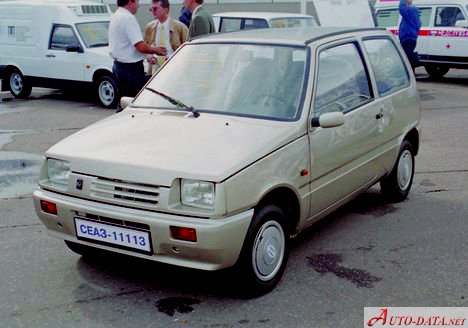
The SeAZ 1111, specifically the 11301 variant producing 49 horsepower, was a small, front-wheel-drive hatchback manufactured by the Severny Automotive Plant (SeAZ) in Russia between 1997 and 2006. This model represented a continuation of the original SeAZ-850 design, undergoing several revisions and updates over its production run. The 11301 trim occupied the entry-level position within the 1111 range, offering basic transportation at an affordable price point. It was primarily aimed at buyers seeking a simple, economical vehicle for urban commuting and short trips.
SeAZ 1111 11301: An Overview
The SeAZ 1111, often referred to simply as the “SeAZik,” was a popular choice in Russia and neighboring countries due to its low cost, relatively simple maintenance, and compact size. The 11301 variant, with its 1.1-liter engine, was the most basic offering, designed for fuel efficiency and ease of operation. While not known for its performance, it provided reliable transportation for a significant segment of the population. The vehicle was based on a front-engine, front-wheel-drive layout, and featured a three-door hatchback body style with seating for four passengers.
Powertrain & Engine Architecture
The heart of the SeAZ 1111 11301 is a 1091cc (66.58 cubic inches) inline-four cylinder gasoline engine. This engine, designated as the 11301, produced 49 horsepower at 5300 rpm and 76 Nm (56.05 lb-ft) of torque at 3500 rpm. The engine featured a naturally aspirated configuration and utilized a carburetor fuel injection system – a relatively outdated technology by the late 1990s and early 2000s, but contributing to the vehicle’s low cost. The engine has a compression ratio of 9.5:1 and employs a two-valve per cylinder valvetrain. The engine is transversely mounted in the front of the vehicle.
The 11301 was exclusively offered with a four-speed manual transmission. This transmission was chosen for its simplicity and cost-effectiveness. The gear ratios were optimized for urban driving, prioritizing acceleration from a standstill over high-speed cruising. The transmission’s design was robust, but lacked the refinement of more modern gearboxes.
Driving Characteristics
The SeAZ 1111 11301’s driving experience is best described as utilitarian. With only 49 horsepower propelling a vehicle weighing 705 kg (1554.26 lbs), acceleration was slow. The 0 to 60 mph time was not officially recorded, but estimates place it well over 15 seconds. The carburetor engine delivered power in a relatively linear fashion, but lacked the responsiveness of fuel-injected engines. The four-speed manual transmission required frequent shifting to maintain momentum, especially when encountering hills or overtaking other vehicles.
The vehicle’s handling was adequate for its intended purpose. The front-wheel-drive layout provided reasonable traction in most conditions, but the suspension was basic and offered limited cornering stability. The steering, utilizing a rack and pinion system, was light and easy to use, but lacked feedback. Compared to potential upgrades within the 1111 range (if available), the 11301 offered a more basic driving experience, prioritizing economy over performance.
Equipment & Trim Levels
The SeAZ 1111 11301 was intentionally spartan in its equipment levels. It was designed to be an affordable vehicle, and as such, many features considered standard in Western markets were either optional or unavailable. Standard features typically included basic cloth upholstery, a simple dashboard with analog gauges, and manually operated windows and door locks. A heater was usually included, but air conditioning was not an option. The interior was constructed from durable, but inexpensive materials.
Optional extras were limited and typically included upgraded seat covers, a radio, and potentially a more advanced instrument cluster. The overall focus was on providing a functional and reliable vehicle at the lowest possible cost.
Chassis & Braking
The SeAZ 1111 11301 utilized a relatively simple chassis design. The suspension consisted of coil springs at both the front and rear, providing a basic level of ride comfort. The front suspension featured independent coil springs, while the rear suspension employed a semi-independent twist beam setup. The front brakes were disc brakes, offering better stopping power than the drum brakes used on the rear wheels. The steering system was a rack and pinion type, providing reasonable steering precision.
The vehicle rode on 135/80 R13 tires, which were chosen for their affordability and durability. The tire size contributed to the vehicle’s modest handling characteristics. The braking system, while adequate for normal driving conditions, lacked the sophistication of more modern braking systems.
Market Reception & Comparison
The SeAZ 1111 11301 was generally well-received in its target market. Critics acknowledged its affordability and simplicity, but also noted its lack of refinement and performance. Compared to other vehicles available in Russia at the time, such as the Lada Samara, the SeAZ 1111 offered a more compact and maneuverable alternative. However, the Samara typically offered more features and a slightly more refined driving experience.
Fuel economy was a key selling point for the 11301, with reported figures ranging from 6.5 to 7.5 liters per 100 kilometers (approximately 36 to 31 mpg). Reliability was generally good, although the carburetor engine required regular maintenance. The simplicity of the design made it relatively easy to repair, even by amateur mechanics.
Technical Specifications
| Engine Type | Inline-4, Gasoline |
| Engine Displacement | 1091 cm3 (66.58 cu in) |
| Power | 49 hp @ 5300 rpm |
| Torque | 76 Nm (56.05 lb-ft) @ 3500 rpm |
| Fuel Injection | Carburetor |
| Compression Ratio | 9.5:1 |
| Transmission | 4-speed Manual |
| Drive Wheels | Front |
| Kerb Weight | 705 kg (1554.26 lbs) |
| Max Weight | 1015 kg (2237.69 lbs) |
| Fuel Tank Capacity | 30 liters (7.93 US gal) |
| Length | 3350 mm (131.89 in) |
| Width | 1420 mm (55.91 in) |
| Height | 1415 mm (55.71 in) |
| Wheelbase | 2330 mm (91.73 in) |
| Tire Size | 135/80 R13 |
Legacy
The SeAZ 1111 11301, while no longer in production, remains a common sight on the roads of Russia and neighboring countries. Its simple design and robust construction have contributed to its longevity. The 1.1-liter engine, while outdated, proved to be relatively reliable with proper maintenance. In the used car market, the 11301 is valued for its affordability and ease of repair. However, potential buyers should be aware of the vehicle’s limited performance and basic features. The SeAZ 1111, in all its variants, holds a nostalgic place in the hearts of many drivers who experienced its simple, no-frills transportation during the late 1990s and early 2000s.
