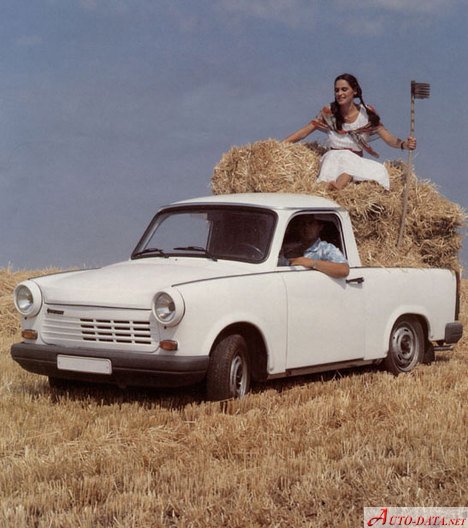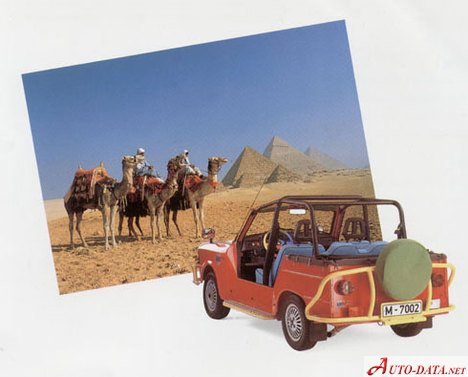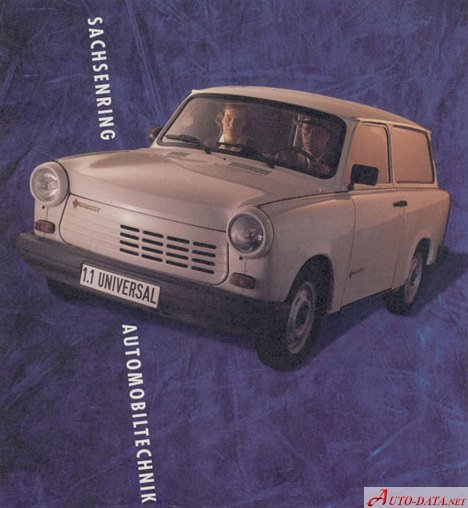
The Trabant 1.1 Universal was a station wagon variant produced between 1990 and 1991, representing a late iteration of the iconic East German automobile. It was part of the broader Trabant 603 series, built upon the 1HX0/A3 platform, and offered a more practical body style compared to the standard saloon (sedan). The 1.1 Universal, powered by a 1.1-liter, 41 horsepower engine, served as the entry-level offering in the Trabant lineup during its final years of production, appealing to families and those needing increased cargo capacity. Its production coincided with significant political and economic changes in Eastern Europe, ultimately leading to the demise of the Trabant marque.
Trabant 1.1 Universal: A Detailed Overview
The Trabant 1.1 Universal distinguished itself from other models primarily through its extended body, providing a significantly larger cargo area. While the core mechanical components remained consistent across the 603 range, the Universal’s design catered to a different segment of the market. It was intended for buyers who prioritized utility and space over outright performance, making it a popular choice for rural communities and families.
Powertrain & Engine Architecture
At the heart of the Trabant 1.1 Universal lay a 1043 cc (63.65 cubic inches) inline four-cylinder, two-stroke gasoline engine. This engine, designated as a variant of the earlier 1.1-liter unit, produced 41 horsepower at 5300 rpm and 74 Nm (54.58 lb-ft) of torque. The engine’s two-stroke design, while simple and relatively inexpensive to manufacture, was known for its inherent inefficiencies and higher emissions compared to contemporary four-stroke engines. It required a pre-mix of oil and gasoline, a characteristic that contributed to its smoky exhaust. Fuel delivery was managed by a carburetor, a technology considered outdated by Western standards at the time. The engine featured a compression ratio of 9.5:1 and two valves per cylinder. The engine was transversely mounted at the front of the vehicle, driving the front wheels.
The Trabant 1.1 Universal was exclusively offered with a four-speed manual transmission. An automatic transmission was never available for this model. The transmission was designed to be robust and simple, reflecting the overall engineering philosophy of the Trabant. Gear ratios were optimized for low-speed torque and fuel efficiency, rather than rapid acceleration. The lack of sophisticated transmission technology contributed to the car’s relatively slow acceleration times.
Driving Characteristics
The driving experience in a Trabant 1.1 Universal was…unique. With only 41 horsepower propelling a vehicle weighing approximately 735 kg (1620.4 lbs), acceleration was leisurely. 0-62 mph (0-100 km/h) took around 22 seconds, and the top speed was limited to 125 km/h (77.67 mph). The two-stroke engine delivered power in a narrow band, requiring frequent gear changes to maintain momentum. The car’s lightweight construction and relatively soft suspension provided a comfortable ride on smooth surfaces, but handling was compromised by the high center of gravity and limited grip. The steering was unassisted, requiring considerable effort at low speeds. Compared to potential upgrades within the Trabant range (which didn’t exist in terms of engine options for the Universal), the 1.1 offered the most economical, but least powerful, driving experience.
Equipment & Trim Levels
The Trabant 1.1 Universal was sparsely equipped, reflecting its position as an affordable, utilitarian vehicle. Standard features included basic cloth upholstery, a simple dashboard with minimal instrumentation, and manually operated windows and door locks. Heating was provided, but air conditioning was not available. The interior was functional rather than luxurious, with a focus on durability and ease of maintenance. Optional extras were limited, typically including a radio and upgraded seat covers. The interior trim was generally consistent across all 1.1 Universal models, with little opportunity for personalization.
Chassis & Braking
The Trabant 1.1 Universal utilized a body-on-frame construction, with a steel chassis and Duroplast body panels – a composite material made from cotton waste and phenolic resins. This construction method was chosen for its low cost and ease of repair. The front suspension was independent, utilizing McPherson struts with coil springs and an anti-roll bar. The rear suspension was a trailing arm setup. Braking was provided by disc brakes at the front and drum brakes at the rear. The braking system was adequate for normal driving conditions, but lacked the stopping power of more modern vehicles. Tire size was 145/80 SR13, mounted on 4JX13H-45 steel wheels.
Market Reception & Comparison
The Trabant 1.1 Universal was primarily sold in Eastern European markets, where it faced limited competition. It was praised for its affordability, practicality, and relatively low running costs. However, it was also criticized for its outdated technology, poor performance, and environmental impact. Compared to other Trabant models, the 1.1 Universal offered the lowest price point and the most cargo space. Fuel economy was reasonable for its time, averaging around 39.9 US mpg (47.9 UK mpg) in combined driving conditions. Reliability was generally good, but maintenance requirements were relatively high due to the two-stroke engine’s need for frequent oil mixing and occasional rebuilds. In comparison to Western European vehicles, the Trabant 1.1 Universal was significantly less refined and offered a far inferior driving experience.
Technical Specifications
| Brand | Trabant |
| Model | 1.1 Universal |
| Engine Displacement | 1043 cm3 (63.65 cu. in.) |
| Engine Type | Inline Four-Cylinder, Two-Stroke |
| Power | 41 Hp @ 5300 rpm |
| Torque | 74 Nm (54.58 lb.-ft.) |
| Fuel Type | Gasoline (Petrol) |
| Transmission | 4-Speed Manual |
| Drive Wheels | Front Wheel Drive |
| Kerb Weight | 735 kg (1620.4 lbs.) |
| Maximum Weight | 1120 kg (2469.18 lbs.) |
| Fuel Consumption (Combined) | 5.9 l/100 km (39.9 US mpg, 47.9 UK mpg) |
| Maximum Speed | 125 km/h (77.67 mph) |
| Acceleration 0-100 km/h | 22 sec |
| Trunk Space (Minimum) | 400 l (14.13 cu. ft.) |
| Trunk Space (Maximum) | 1400 l (49.44 cu. ft.) |
Legacy
The Trabant 1.1 Universal, along with the rest of the Trabant range, ceased production in 1991 following the reunification of Germany and the collapse of the East German economy. While the cars are no longer in production, they remain a potent symbol of the Cold War era and the ingenuity of East German engineering. Today, Trabants are sought after by collectors and enthusiasts, particularly those interested in automotive history. The 1.1 Universal, due to its practicality and relative rarity, is a particularly desirable variant. The two-stroke engine requires specialized knowledge and maintenance, making it challenging to keep these vehicles on the road. However, a dedicated community of owners and mechanics continues to support the Trabant marque, ensuring that these iconic cars will continue to be enjoyed for years to come. The durability of the chassis and the availability of replacement parts (though increasingly scarce) contribute to the long-term viability of these vehicles, despite their age and unconventional design.